View methods side by side.
Choose up to four methods. Add them using the search and share the comparison by copying its link.
| Criterion |  Operations 5 Whys |  Decision Making Decision Rights Mapping | 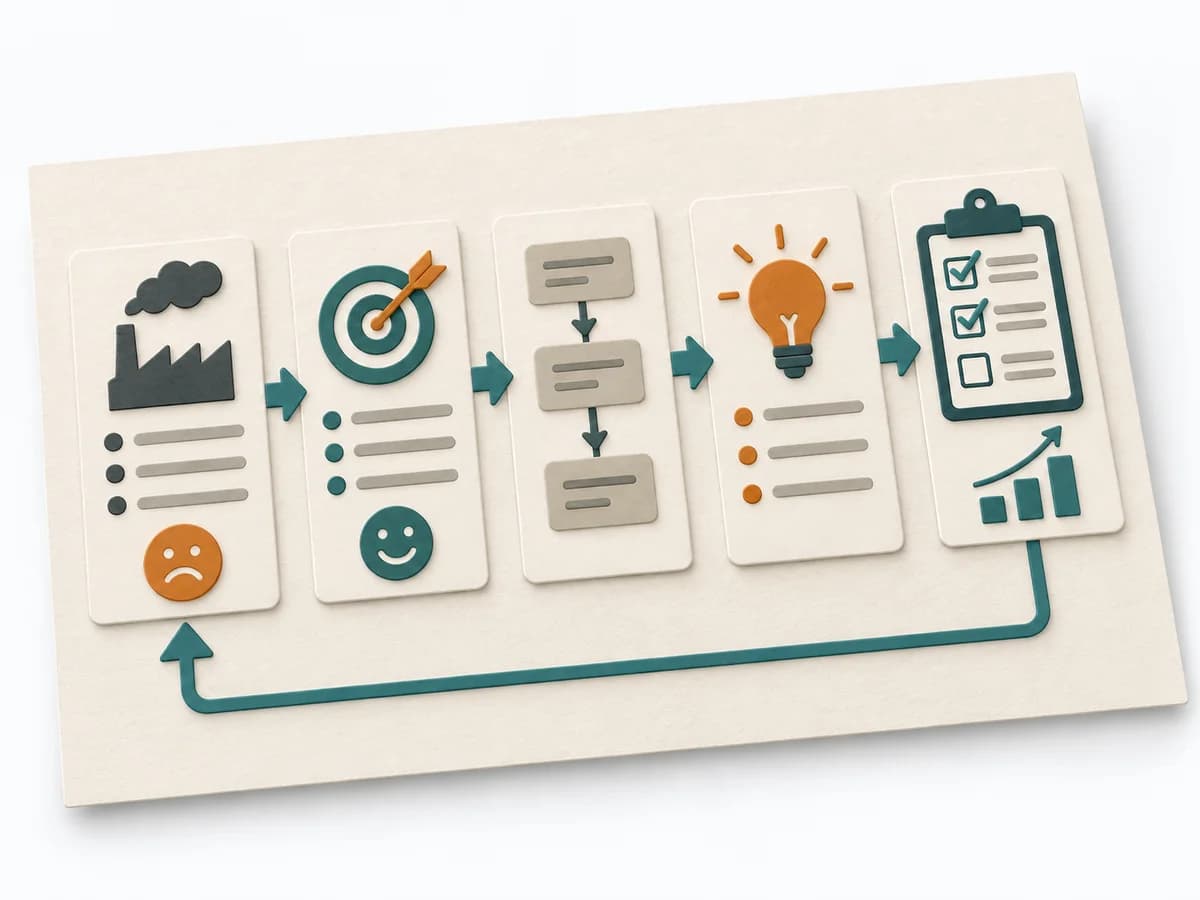 Operations A3 Problem Solving |
|---|---|---|---|
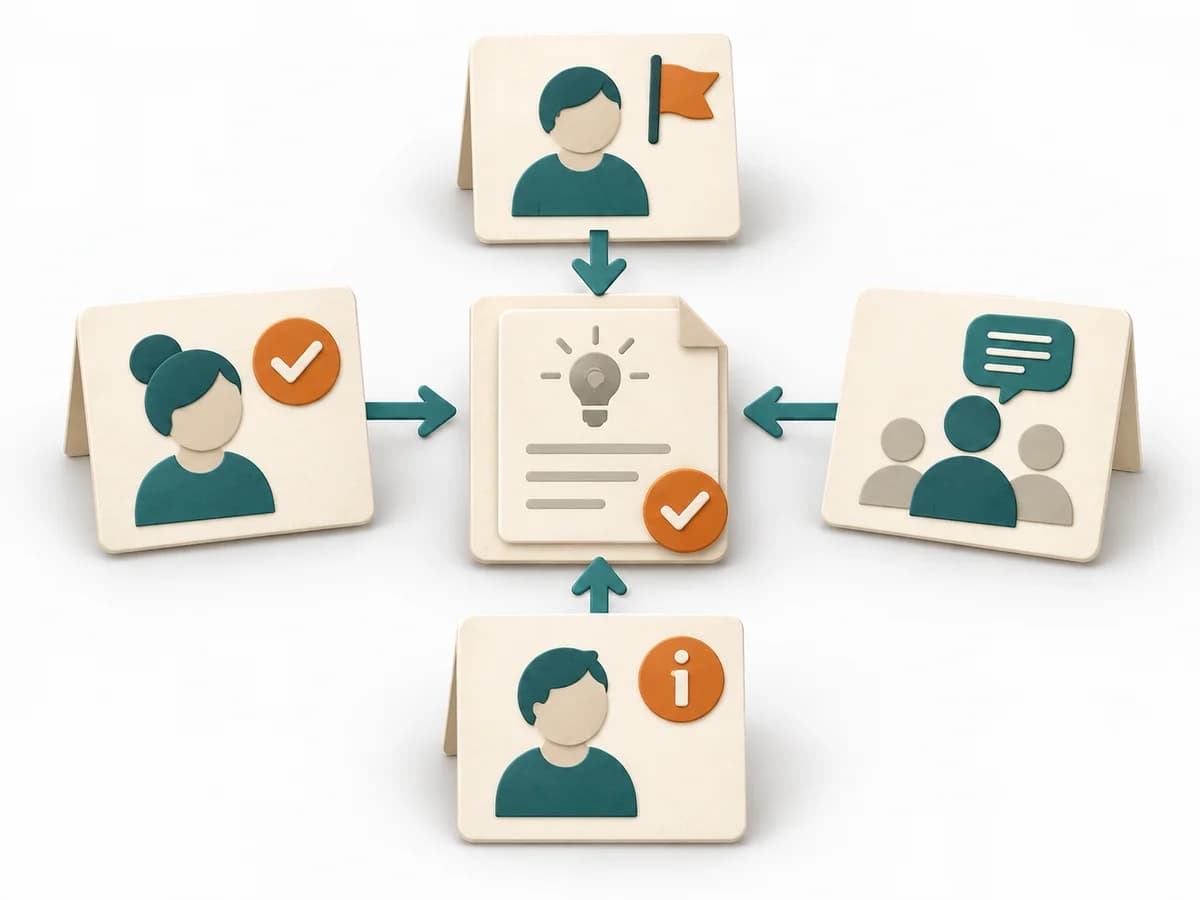
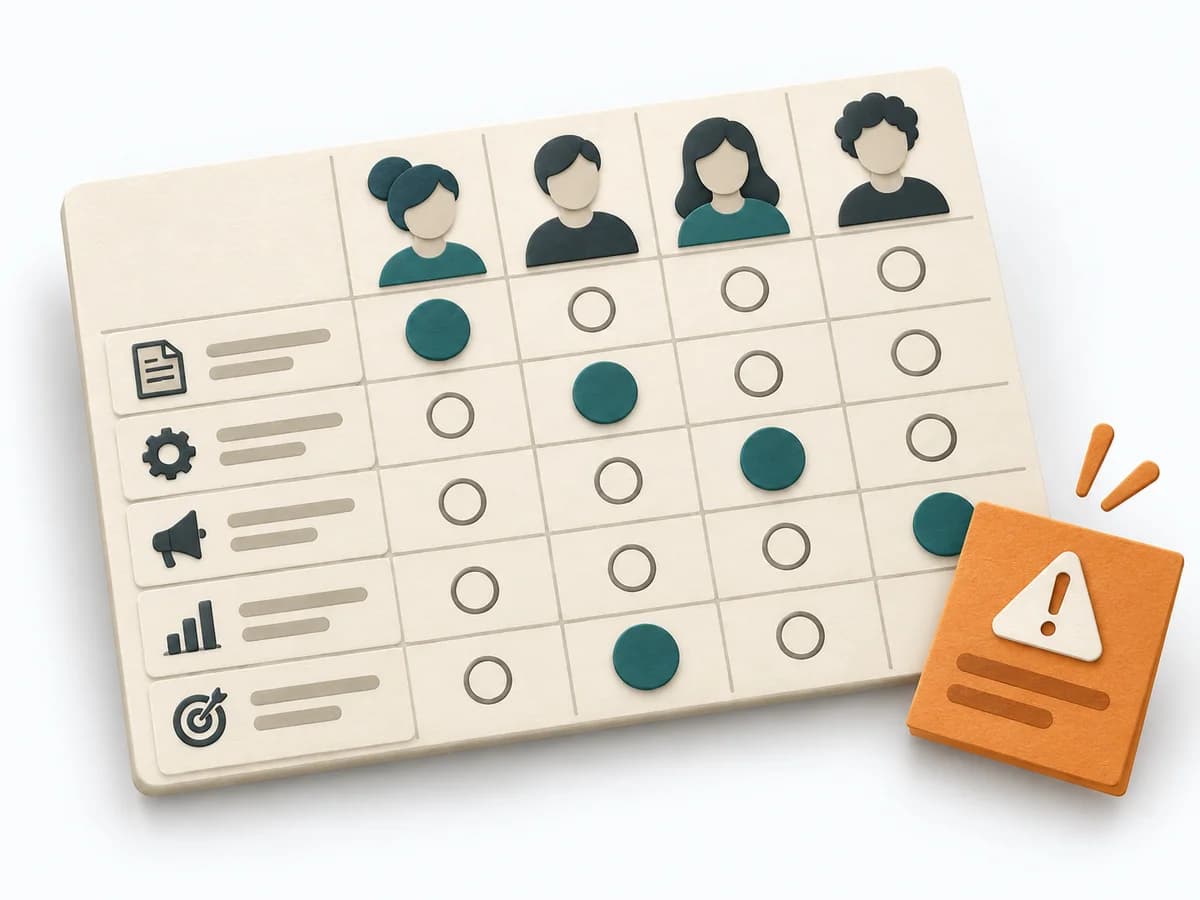
Purposedifferent | For a single, hard-to-explain deviation, the method exposes the causal chain behind the visible symptom. It keeps the cause open until a controllable condition emerges instead of a mere description. | In organizations with many stakeholders, it often blurs who actually decides and who is merely consulted. It separates options, evaluation criteria, and open risks. The result is captured as a Decision Rights matrix and an agreement. | For a complex deviation with several people involved, the method bundles problem, analysis, and decision onto one page. It creates a shared working space where causes, countermeasures, and follow-up fit together. |
Complexitydifferent | Low | Medium | Medium |
Timedifferent | 15-30 min | 90-180 min | 45-90 min |
Participantsdifferent | 2-6 | 4-12 | 2-5 |
Formatdifferent | Workshop | Workshop | Workshop + async |
Outputdifferent | Root cause notes, Countermeasures | Decision Rights Matrix, Agreement | A3 Report, Action Plan, Root Cause Analysis |
Tagsno overlap | Root causeIncidentLeanProblem solving | DecisionGovernanceAlignmentResponsibility | LeanProblem solvingCoachingOperations |
Often compared together
Methods with strong topical overlap with the current selection, not yet in the comparison.