View methods side by side.
Choose up to four methods. Add them using the search and share the comparison by copying its link.
| Criterion | 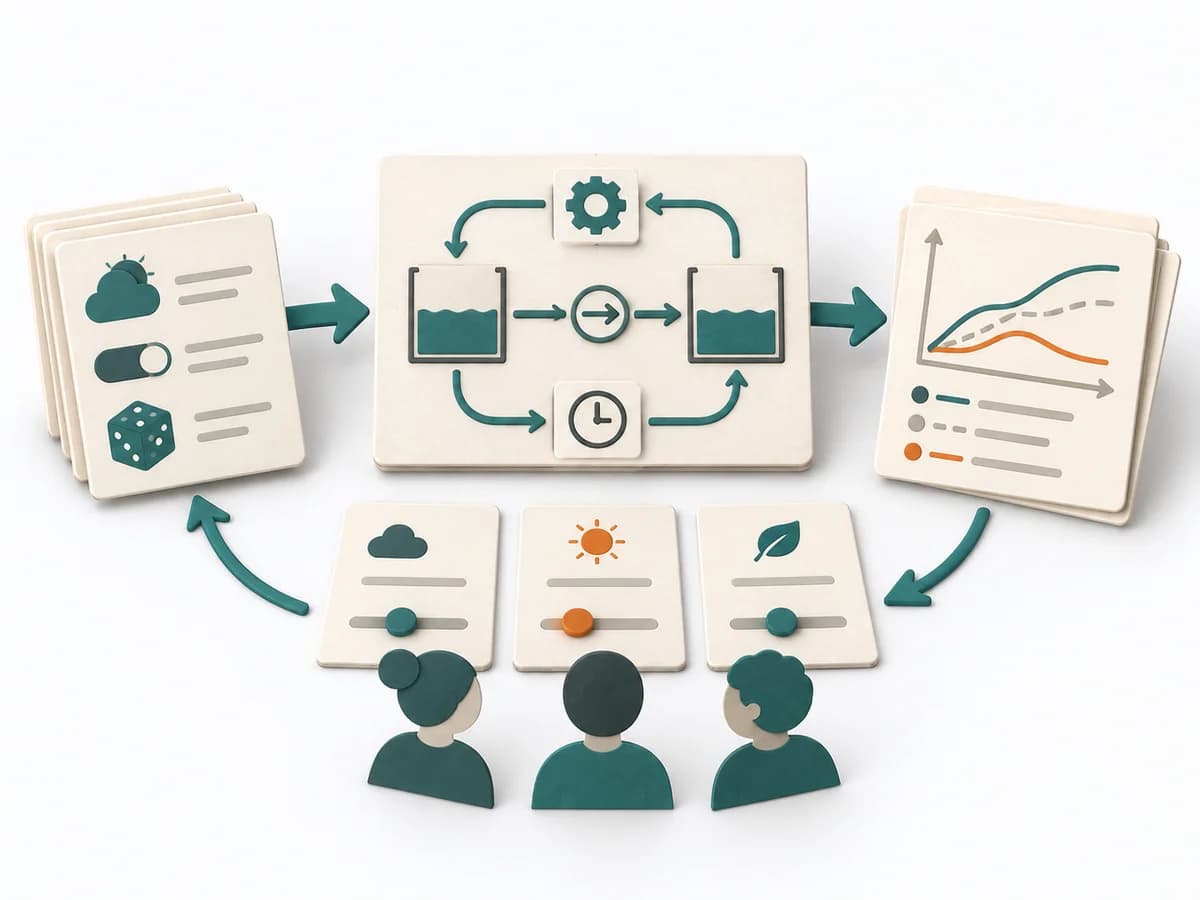 Systems Thinking System Dynamics Simulation |  Domain Modeling Bounded Context Canvas | 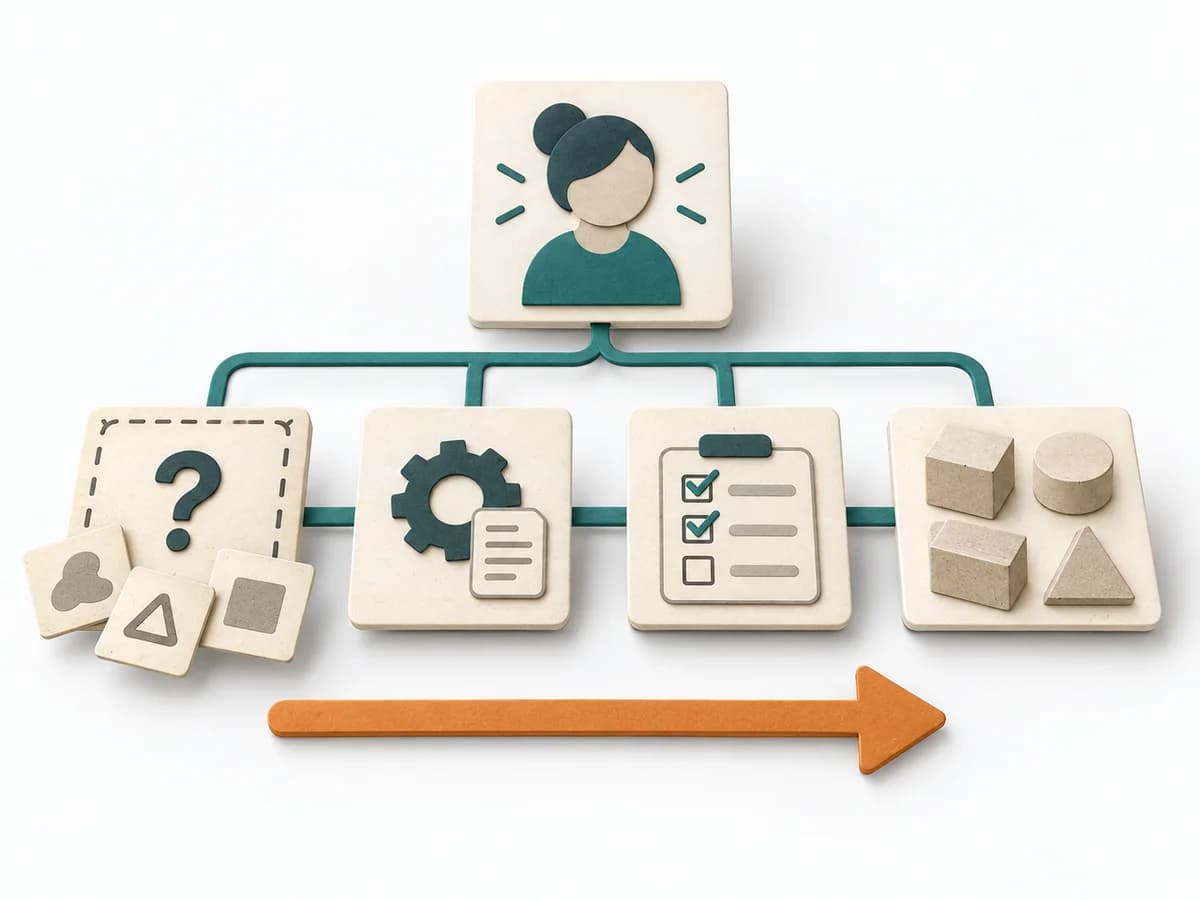 Systems Thinking Wardley Mapping |
|---|---|---|---|
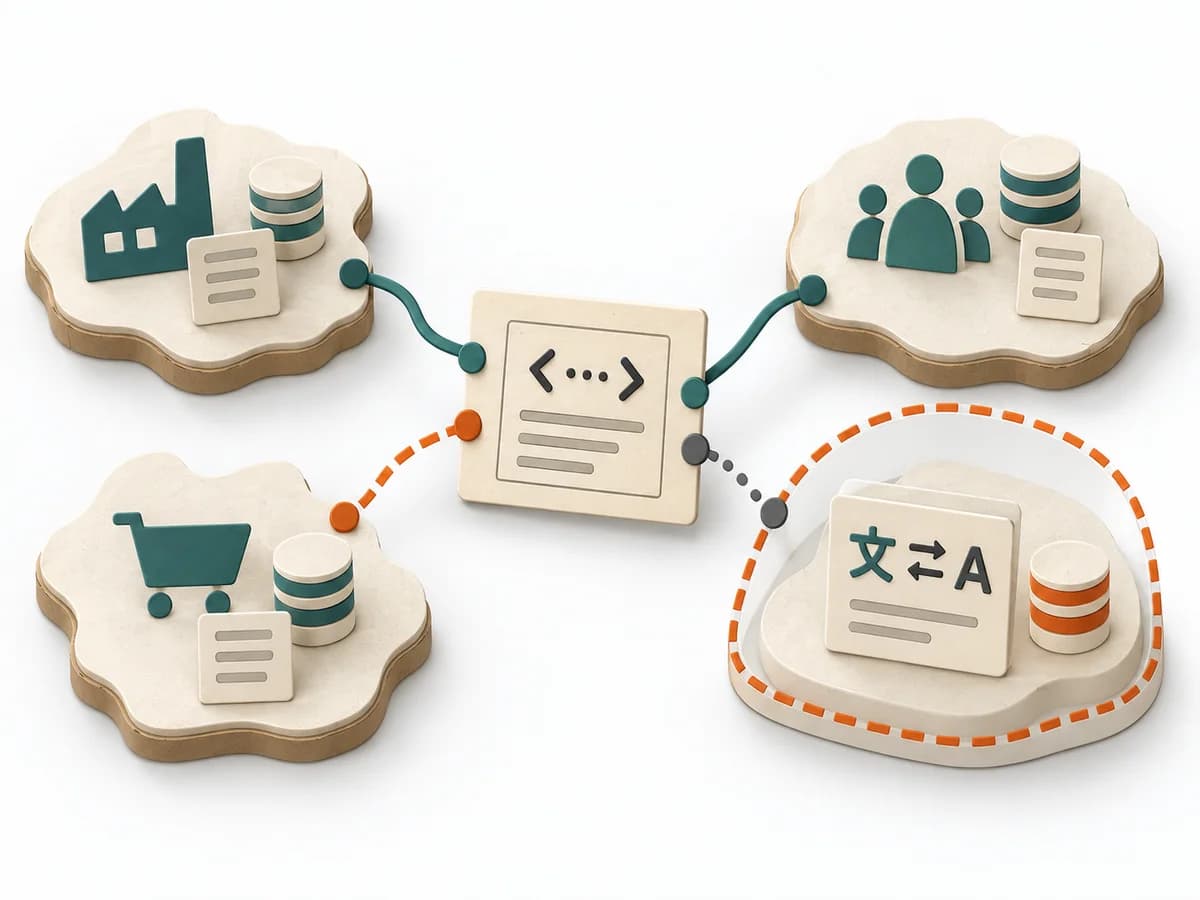
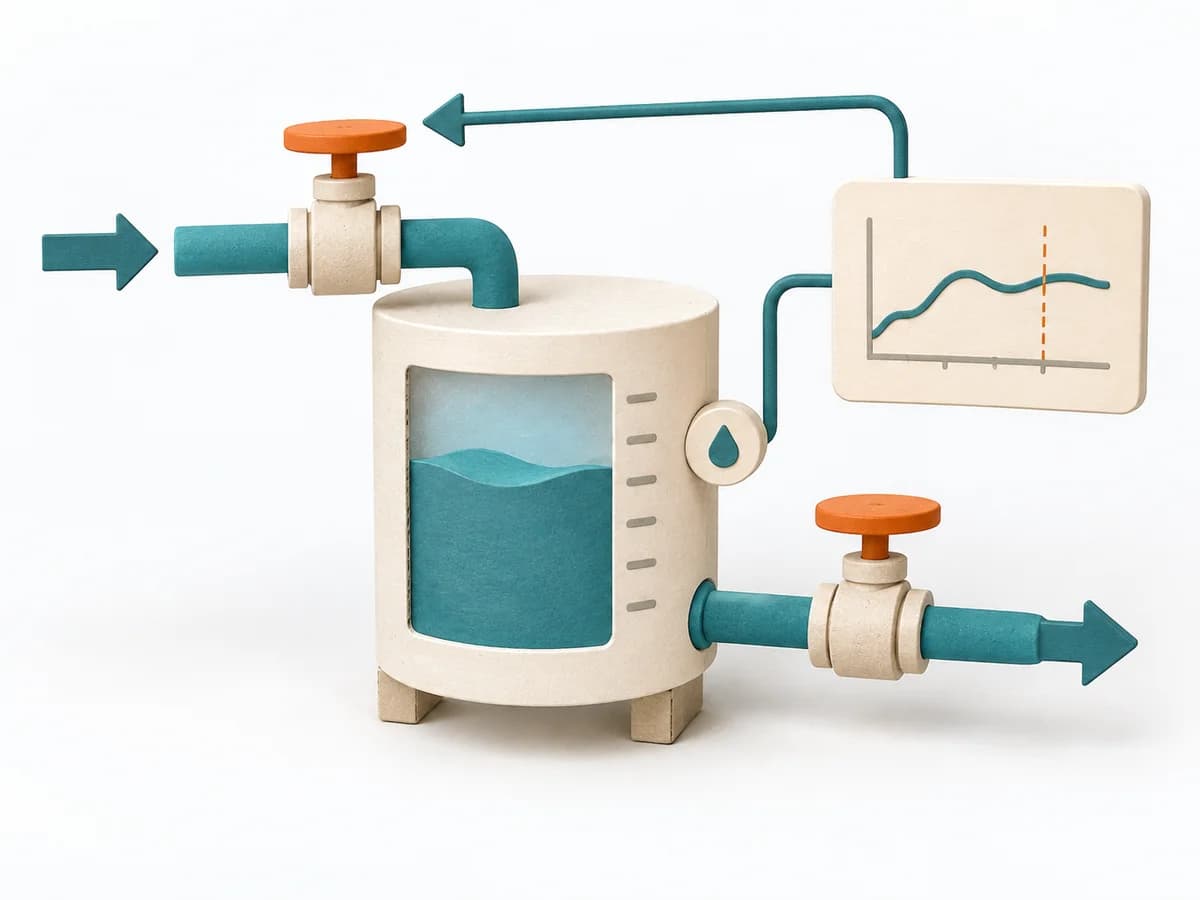
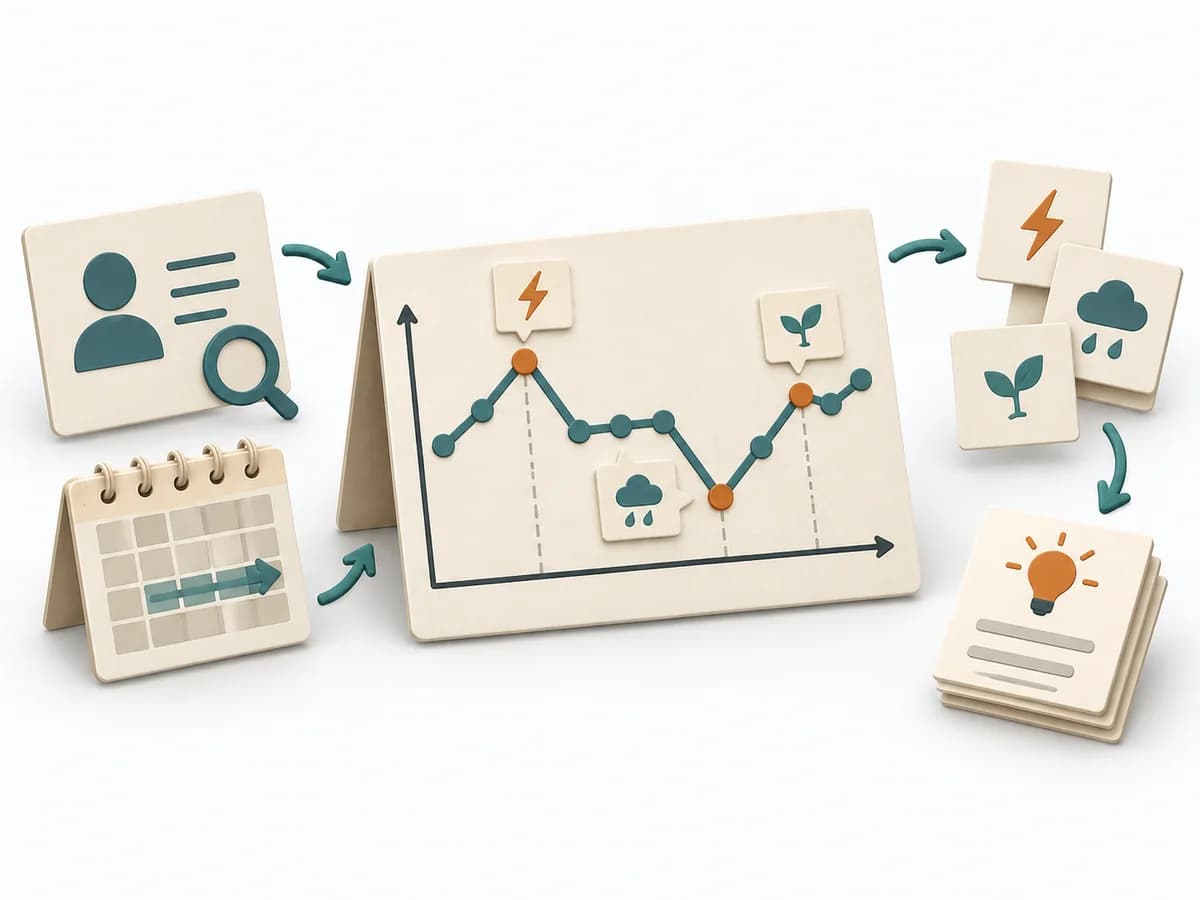
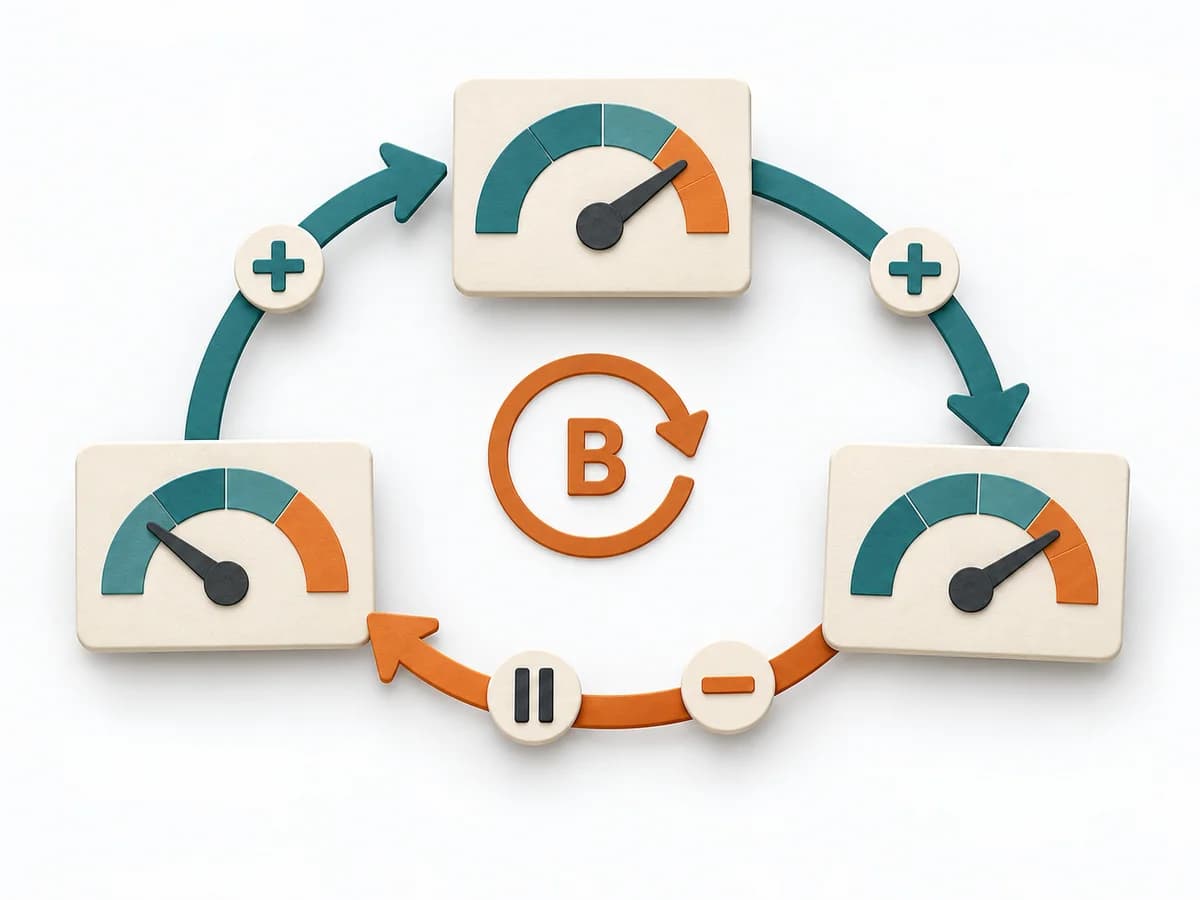
Purposedifferent | System Dynamics Simulation makes assumptions about time, delay, and feedback testable through experiments. It draws relationships, patterns, and feedback loops. The result is captured as a simulation model and scenario reports. | When a business context is still loosely outlined, it shapes language, responsibility, and integration space. It clarifies what belongs together and where a boundary needs to hold. | Wardley Mapping makes visible where an offering stands today and where it can evolve. The method connects user need, value chain, and evolution stages into a strategic basis for platform, build, or buy decisions. |
Complexitydifferent | High | Medium | Medium |
Timedifferent | Mehrere Tage bis Wochen | 1-3 h | 1-3 h |
Participantsdifferent | 1-5 Modellierende, Stakeholder asynchron | 3-8 | 2-10 |
Formatdifferent | Async | Workshop + async | Workshop + async |
Outputdifferent | Simulation Model, Scenario Reports | Context Canvas, Glossary, Integration Notes | Wardley Map, Strategic Options, Evolution Notes |
Tagsno overlap | Systems thinkingDynamicsSimulationAnalysis | Domain-Driven DesignBoundariesModeling | StrategySystems thinkingDynamics |
Often compared together
Methods with strong topical overlap with the current selection, not yet in the comparison.