View methods side by side.
Choose up to four methods. Add them using the search and share the comparison by copying its link.
| Criterion | 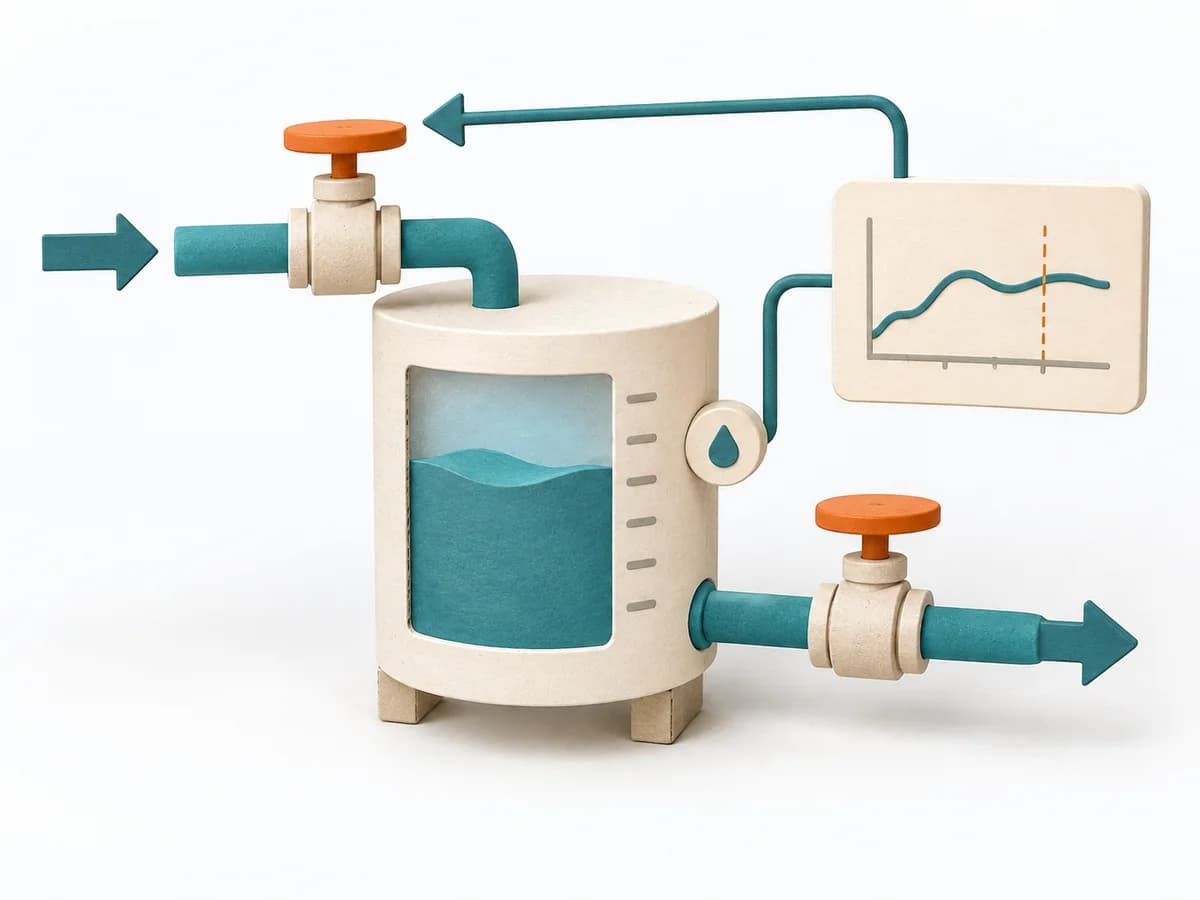 Systems Thinking Stock and Flow Diagram | 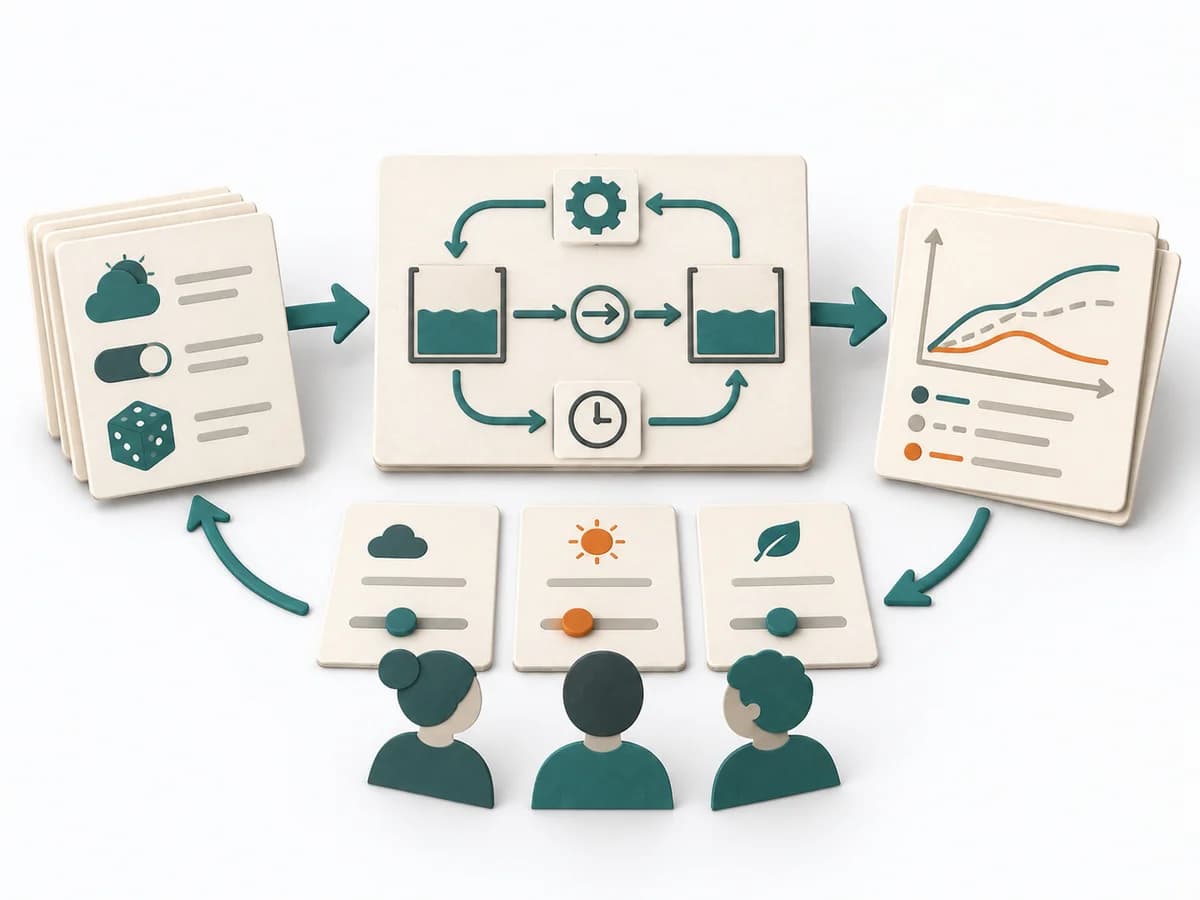 Systems Thinking System Dynamics Simulation |  DevOps Incident Command |
|---|---|---|---|
Purposedifferent | A Stock and Flow Diagram shows how stocks, inflows, and outflows shape a system over time. It is especially suited when growth, delays, or capacity limits determine the dynamics. | System Dynamics Simulation makes assumptions about time, delay, and feedback testable through experiments. It draws relationships, patterns, and feedback loops. The result is captured as a simulation model and scenario reports. | During an acute incident with several people involved, the method creates a clear leadership and communication structure. It reduces chaos when fast coordination and clean situational awareness are both needed at once. |
Complexitydifferent | High | High | Medium |
Timedifferent | 2-6 h | Mehrere Tage bis Wochen | As needed |
Participantsdifferent | 1-6 | 1-5 Modellierende, Stakeholder asynchron | 4-15 |
Formatdifferent | Workshop + async | Async | Workshop + async |
Outputdifferent | Stock and Flow Model, Dynamics Notes, Simulation Hypotheses | Simulation Model, Scenario Reports | Incident Log, Action Tracker, Stakeholder Updates |
Tagsno overlap | DynamicsSimulationFeedbackSystems thinking | Systems thinkingDynamicsSimulationAnalysis | IncidentOperationsReliability |
Often compared together
Methods with strong topical overlap with the current selection, not yet in the comparison.