View methods side by side.
Choose up to four methods. Add them using the search and share the comparison by copying its link.
| Criterion |  Systems Thinking Polarity Mapping | 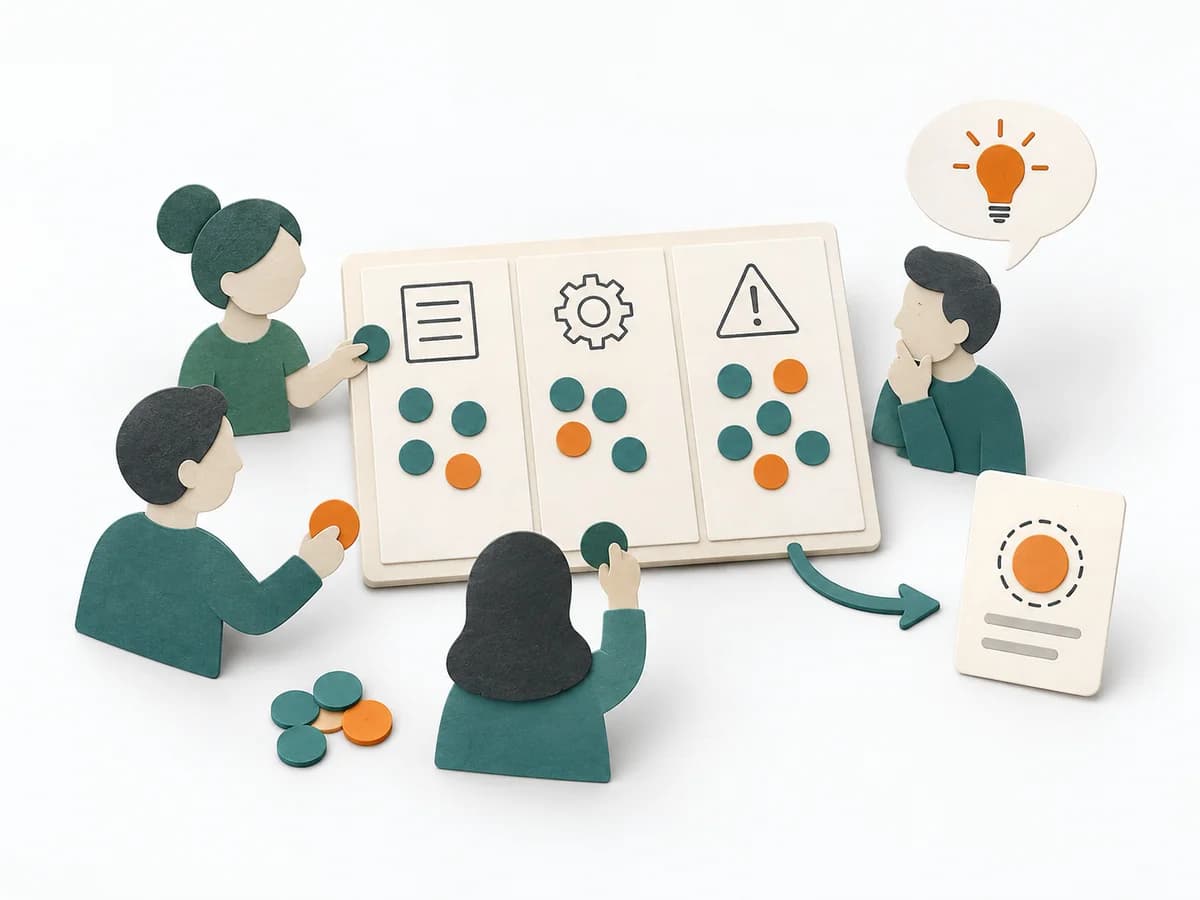 Facilitation Dot Estimation |  Agile NoEstimates |
|---|---|---|---|
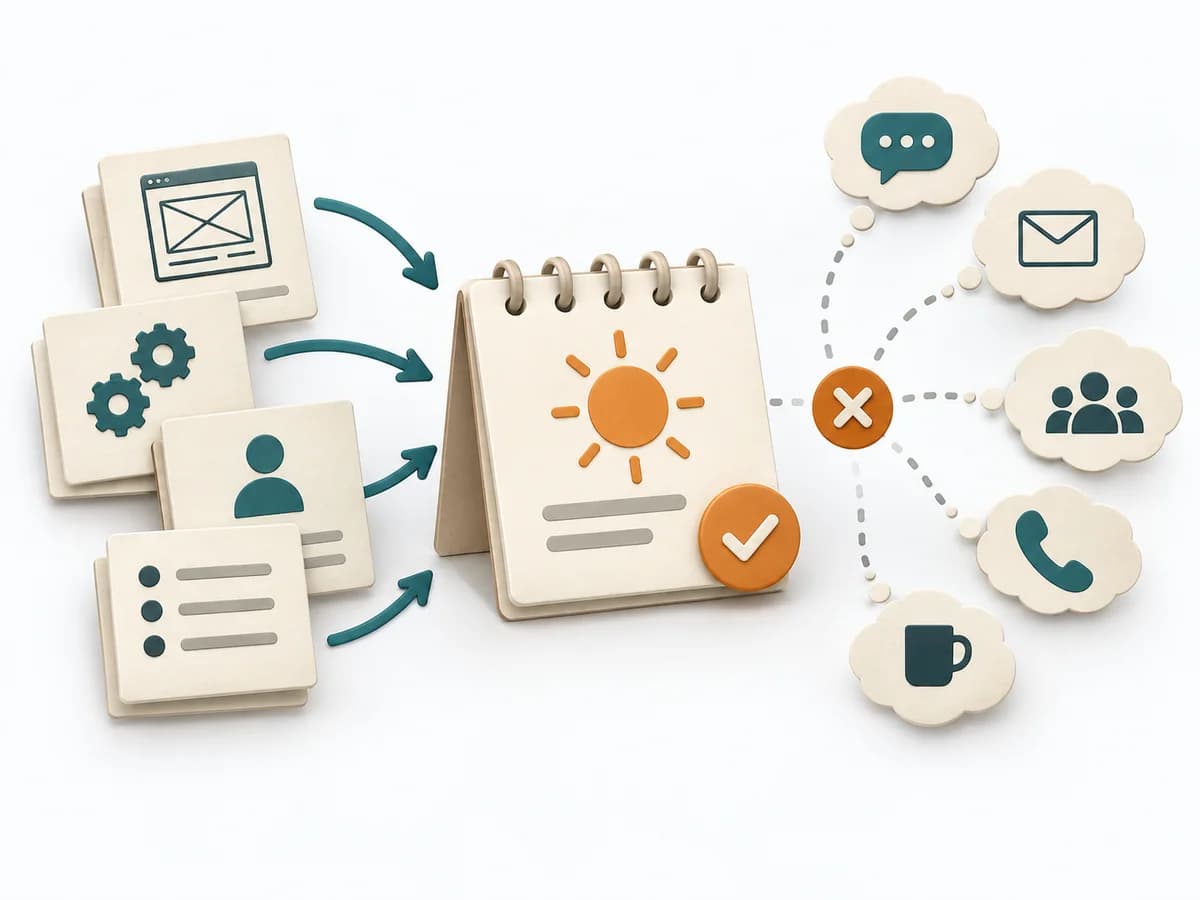
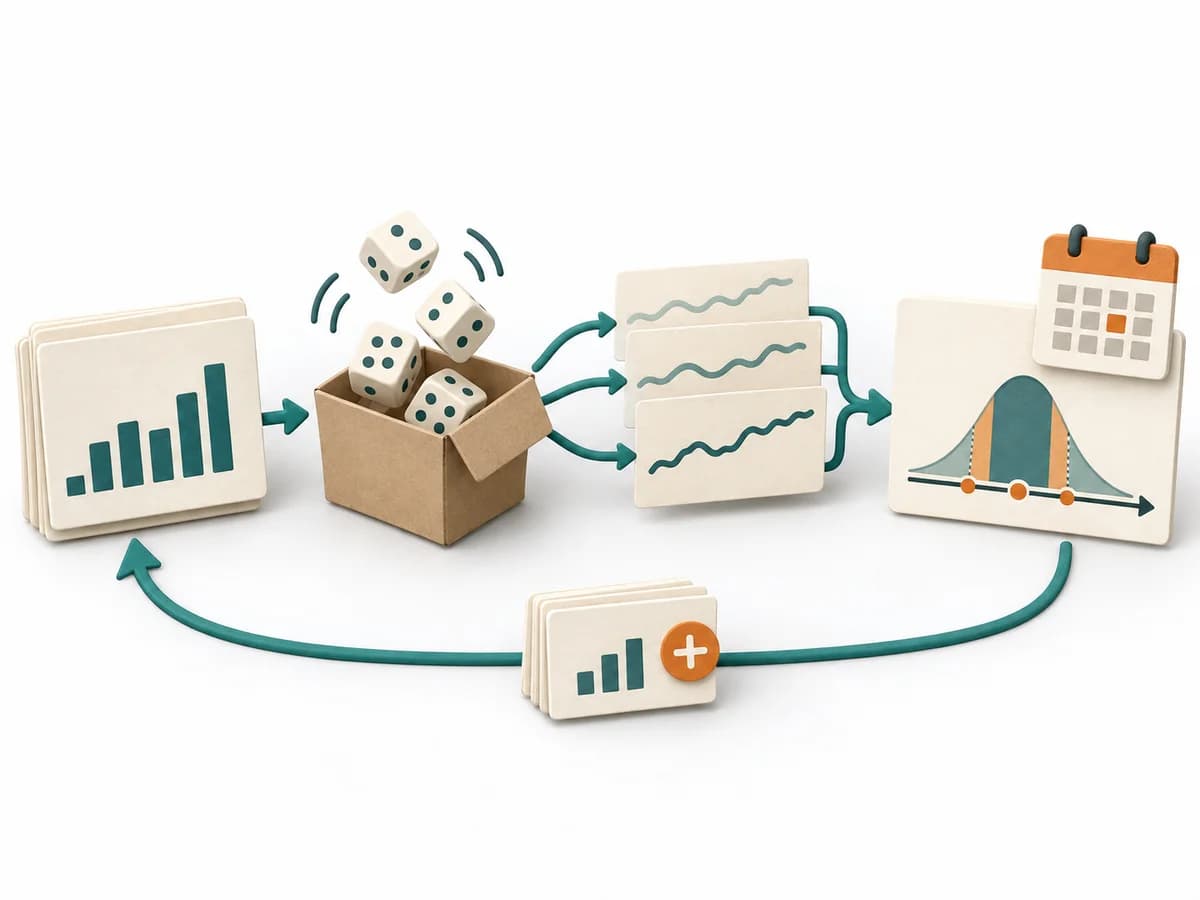
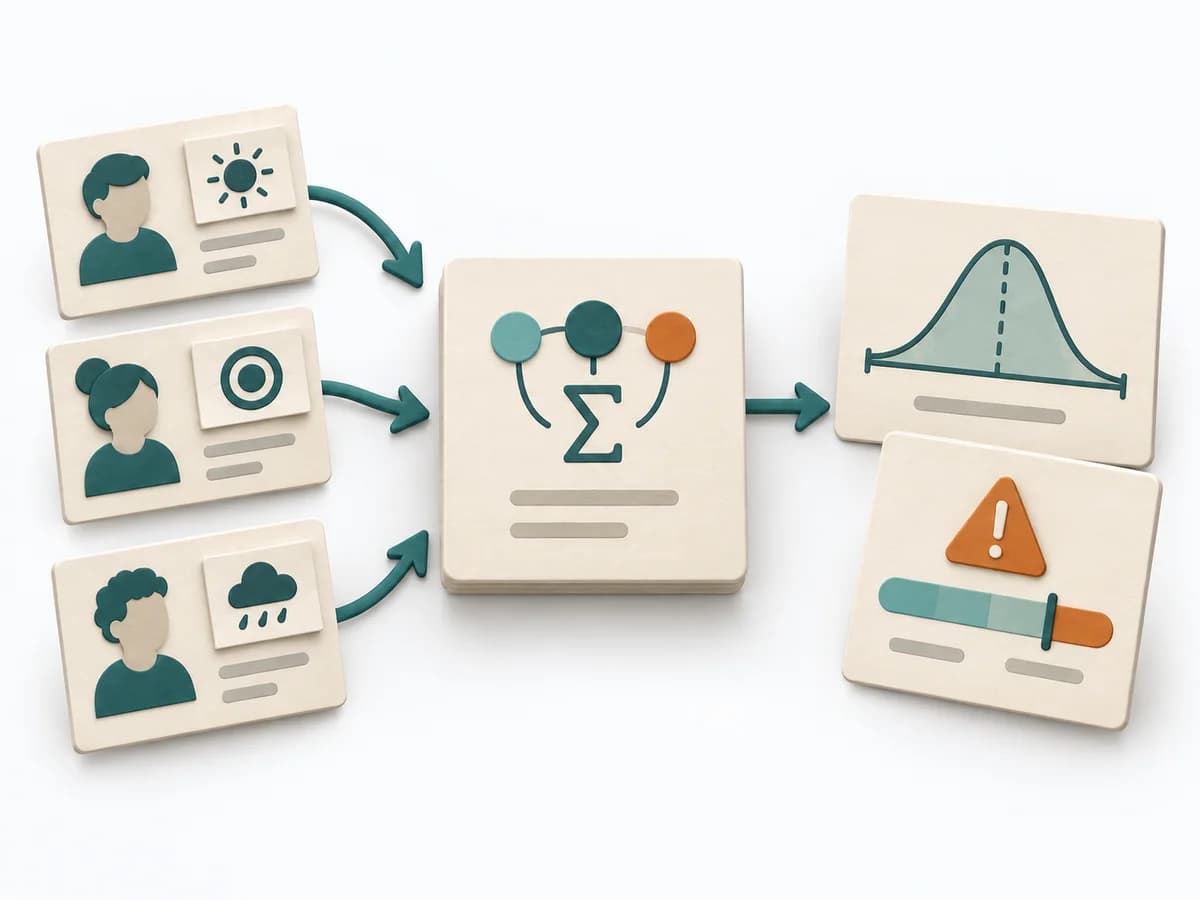
Purposedifferent | Polarity Mapping makes tensions between two opposing poles tangible, such as standardization and adaptation or control and autonomy. The method guards against making apparent either-or decisions prematurely. | When size or effort can only be estimated roughly, Dot Estimation condenses the group's experience into a quick range. It turns individual contributions into a visible selection. The result is captured as an Effort Heatmap, Risk Signals, and Discussion Targets. | When estimating slows a team down more than it helps, it shifts the focus to flow, small slices, and real lead time. It sorts work by value, risk, and delivery ability. The result is captured as Throughput Data, Flow Forecast, and Slicing Rules. |
Complexitydifferent | Medium | Low | Medium |
Timedifferent | 1-2 h | 5-20 min | laufend |
Participantsdifferent | 3-12 | 3-20 | 2-12 |
Formatdifferent | Workshop | Workshop | Workshop + async |
Outputdifferent | Polarity Map, Warning Signs, Balance Actions | Effort Heatmap, Risk Signals, Discussion Targets | Throughput Data, Flow Forecast, Slicing Rules |
Tagsno overlap | Systems thinkingTradeoffsLeadership | EstimationEffortRisk | EstimationForecastingFlow |
Often compared together
Methods with strong topical overlap with the current selection, not yet in the comparison.