View methods side by side.
Choose up to four methods. Add them using the search and share the comparison by copying its link.
| Criterion |  Systems Thinking Polarity Mapping | 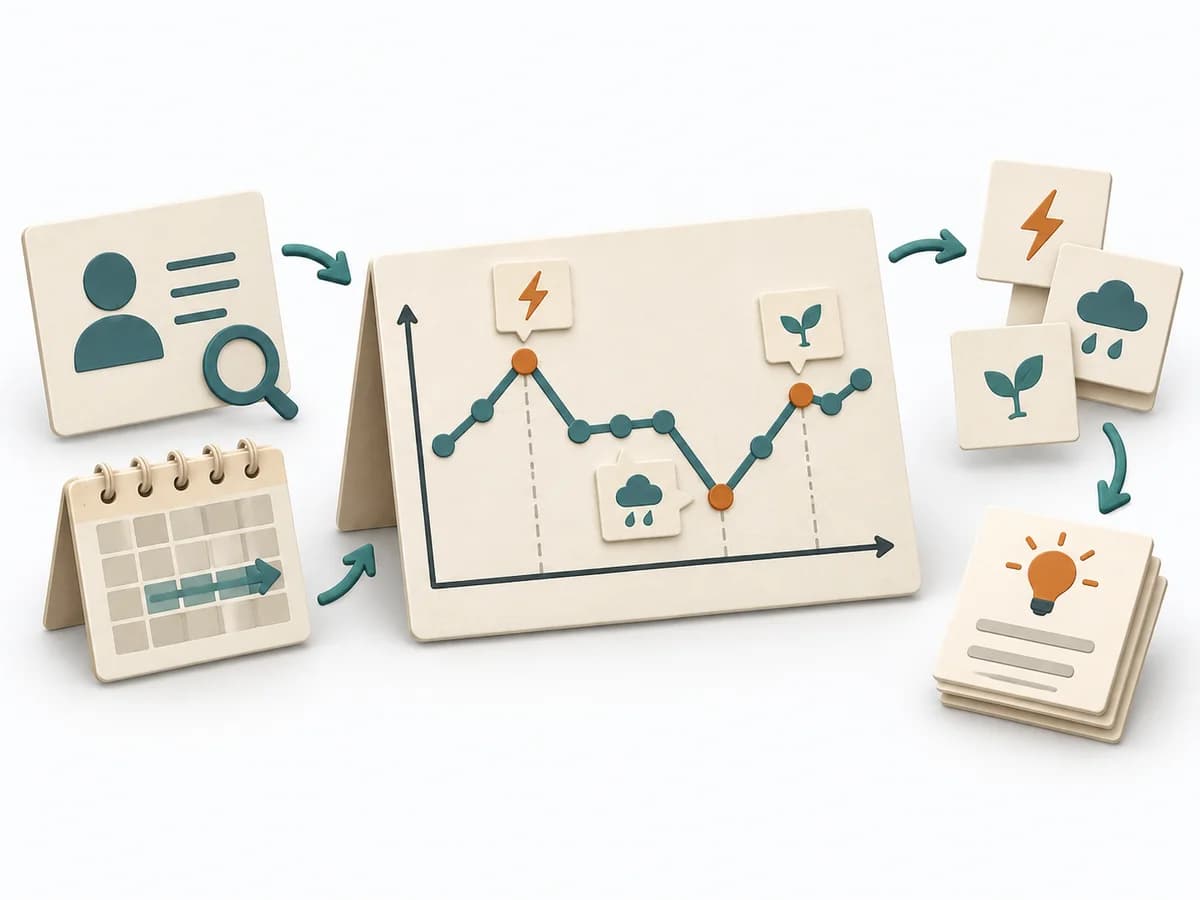 Systems Thinking Behavior Over Time Graph |  Systems Thinking Stock and Flow Diagram |
|---|---|---|---|
Purposedifferent | Polarity Mapping makes tensions between two opposing poles tangible, such as standardization and adaptation or control and autonomy. The method guards against making apparent either-or decisions prematurely. | A Behavior Over Time Graph shows how a metric or observation develops over time. The method makes trends, breaks, and recurring patterns visible that get lost in snapshots. | A Stock and Flow Diagram shows how stocks, inflows, and outflows shape a system over time. It is especially suited when growth, delays, or capacity limits determine the dynamics. |
Complexitydifferent | Medium | Low | High |
Timedifferent | 1-2 h | 20-45 min | 2-6 h |
Participantsdifferent | 3-12 | 1-10 | 1-6 |
Formatdifferent | Workshop | Workshop + async | Workshop + async |
Outputdifferent | Polarity Map, Warning Signs, Balance Actions | Behavior Over Time Graph, Trend Hypotheses, Key Events | Stock and Flow Model, Dynamics Notes, Simulation Hypotheses |
Tags1 shared | Systems thinkingTradeoffsLeadership | Systems thinkingPatternsDynamics | DynamicsSimulationFeedbackSystems thinking |
Often compared together
Methods with strong topical overlap with the current selection, not yet in the comparison.