View methods side by side.
Choose up to four methods. Add them using the search and share the comparison by copying its link.
| Criterion | 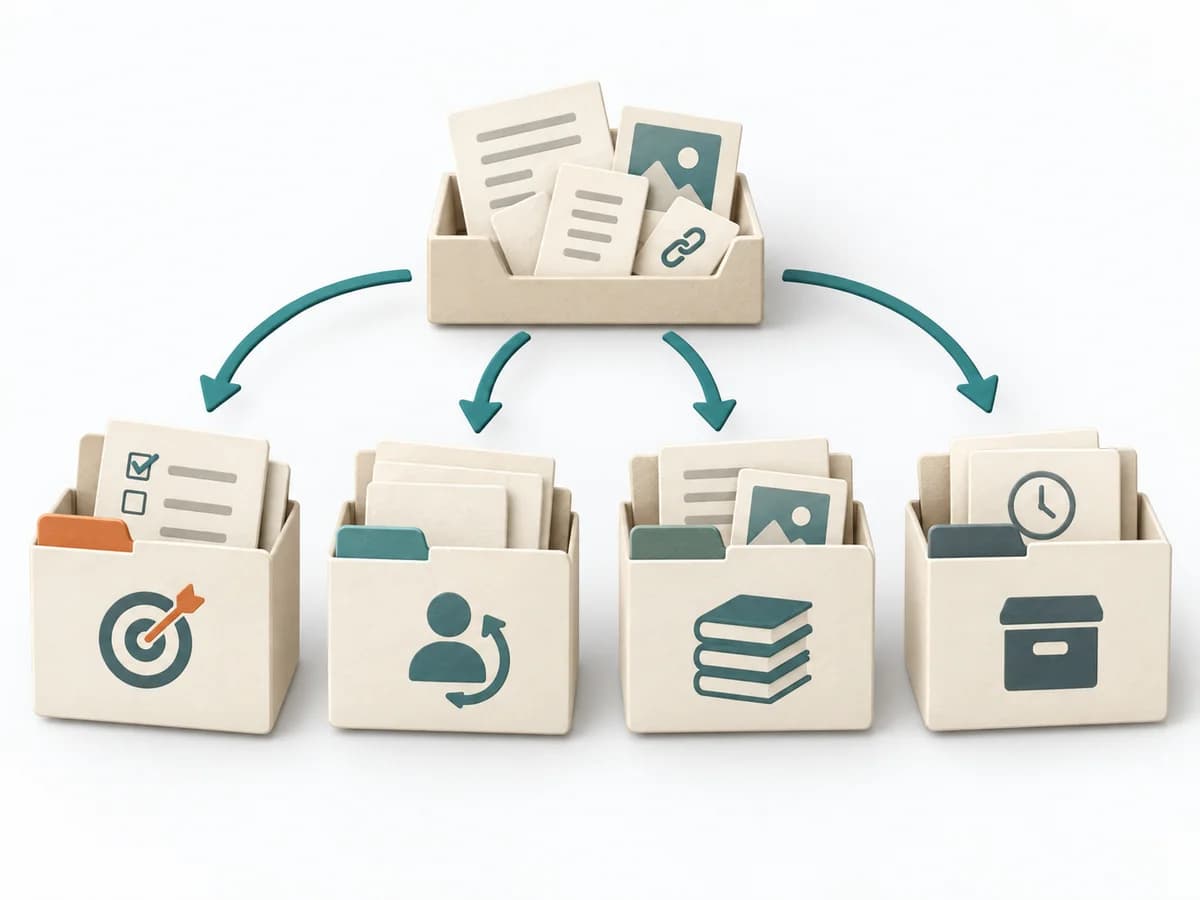 Knowledge Modeling PARA Method |  Facilitation Stakeholder Salience Model |
|---|---|---|
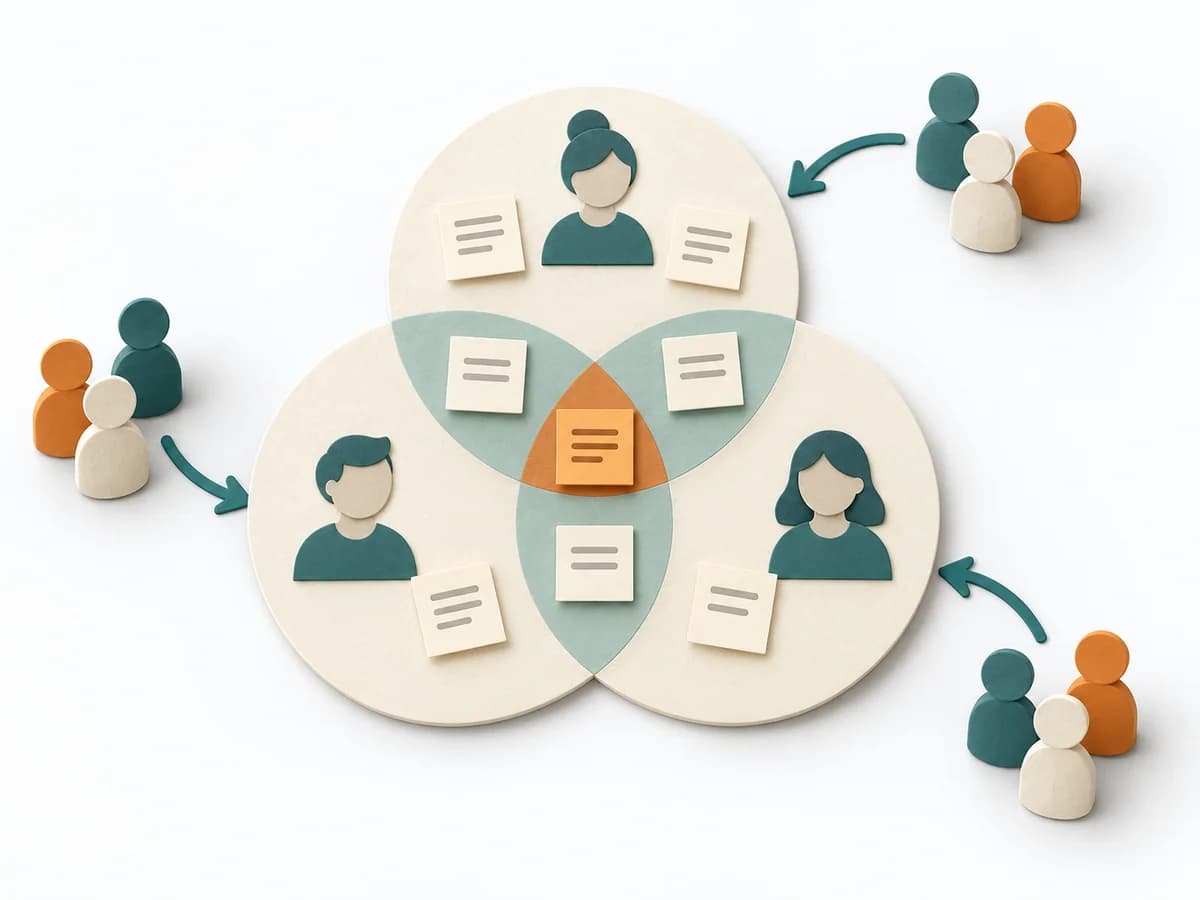
Purposedifferent | The PARA Method organizes knowledge into Projects, Areas, Resources, and Archives. It creates order when digital notes, files, and tasks no longer cleanly fit current work. | When stakeholders appear to matter very differently, the Stakeholder Salience Model rates their actual priority through power, legitimacy, and urgency. It turns individual contributions into a visible selection. The result is captured as a Salience diagram and a class-based strategy. |
Complexitysame | Medium | Medium |
Timedifferent | 1-3 h Setup, laufend | 60-90 min |
Participantsdifferent | 1 | 3-6 |
Formatdifferent | Async | Workshop |
Outputdifferent | PARA Structure, Project Notes, Knowledge Archive | Salience Diagram, Strategy per Class |
Tagsno overlap | KnowledgeProductivityOrganization | StakeholdersFacilitationAlignmentGovernance |
Often compared together
Methods with strong topical overlap with the current selection, not yet in the comparison.