View methods side by side.
Choose up to four methods. Add them using the search and share the comparison by copying its link.
| Criterion |  Knowledge Modeling PARA Method |  UX Research HEART Framework | 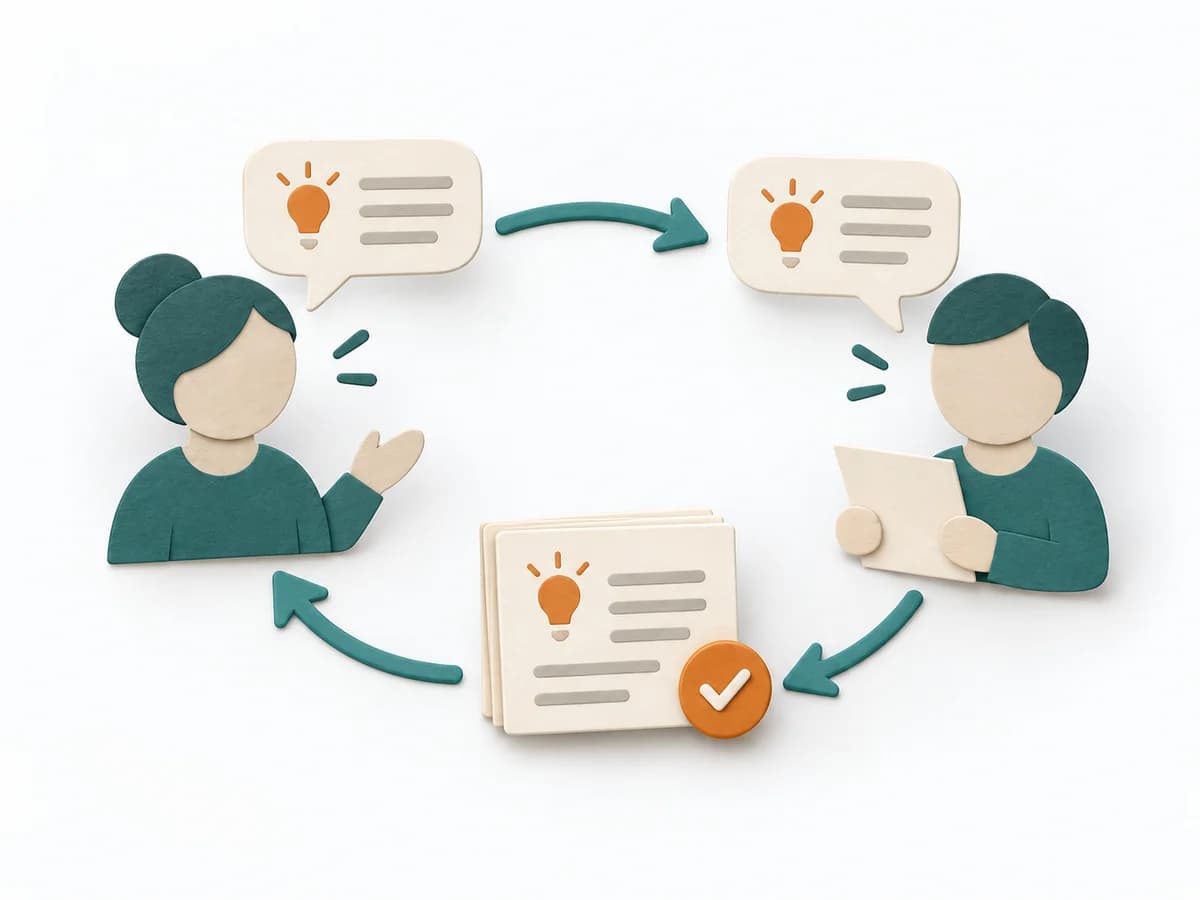 Knowledge Modeling Teach-back |
|---|---|---|---|
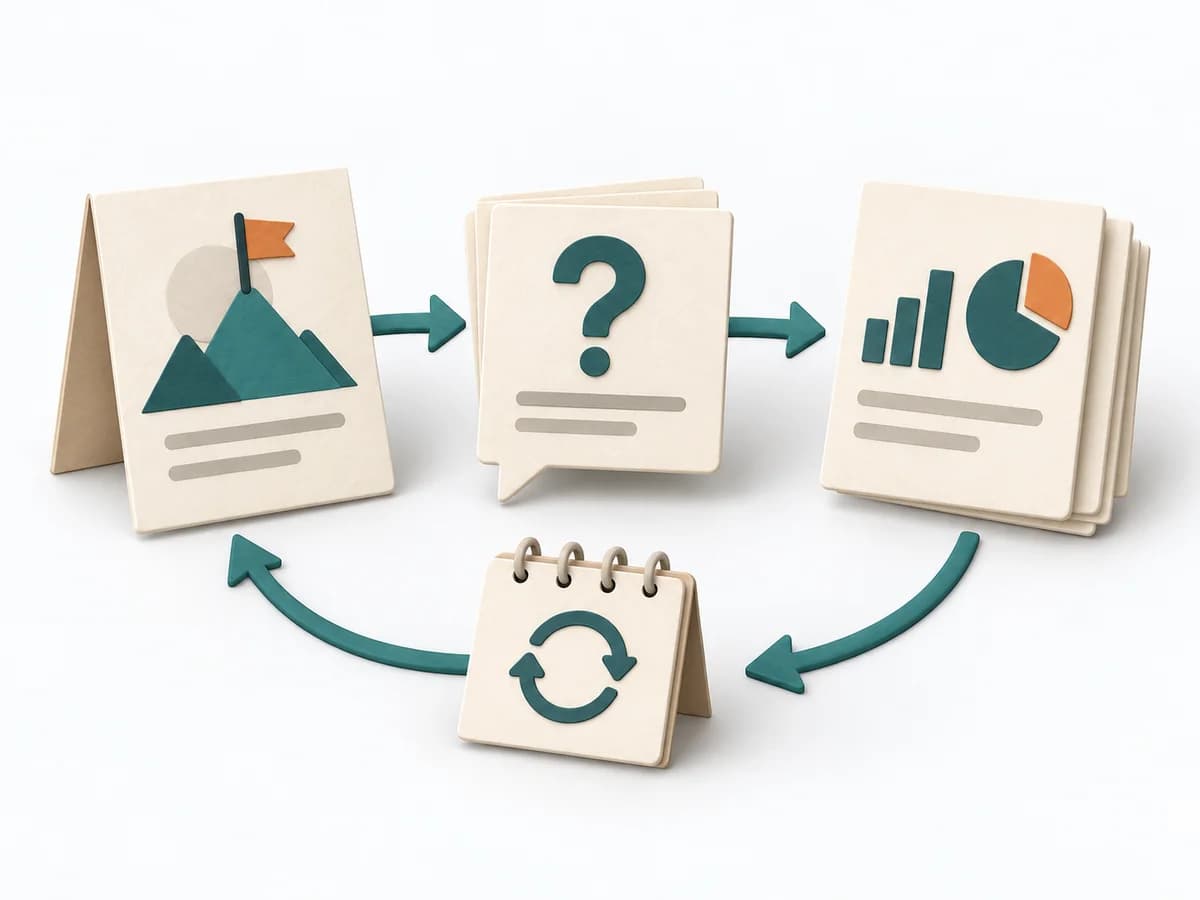
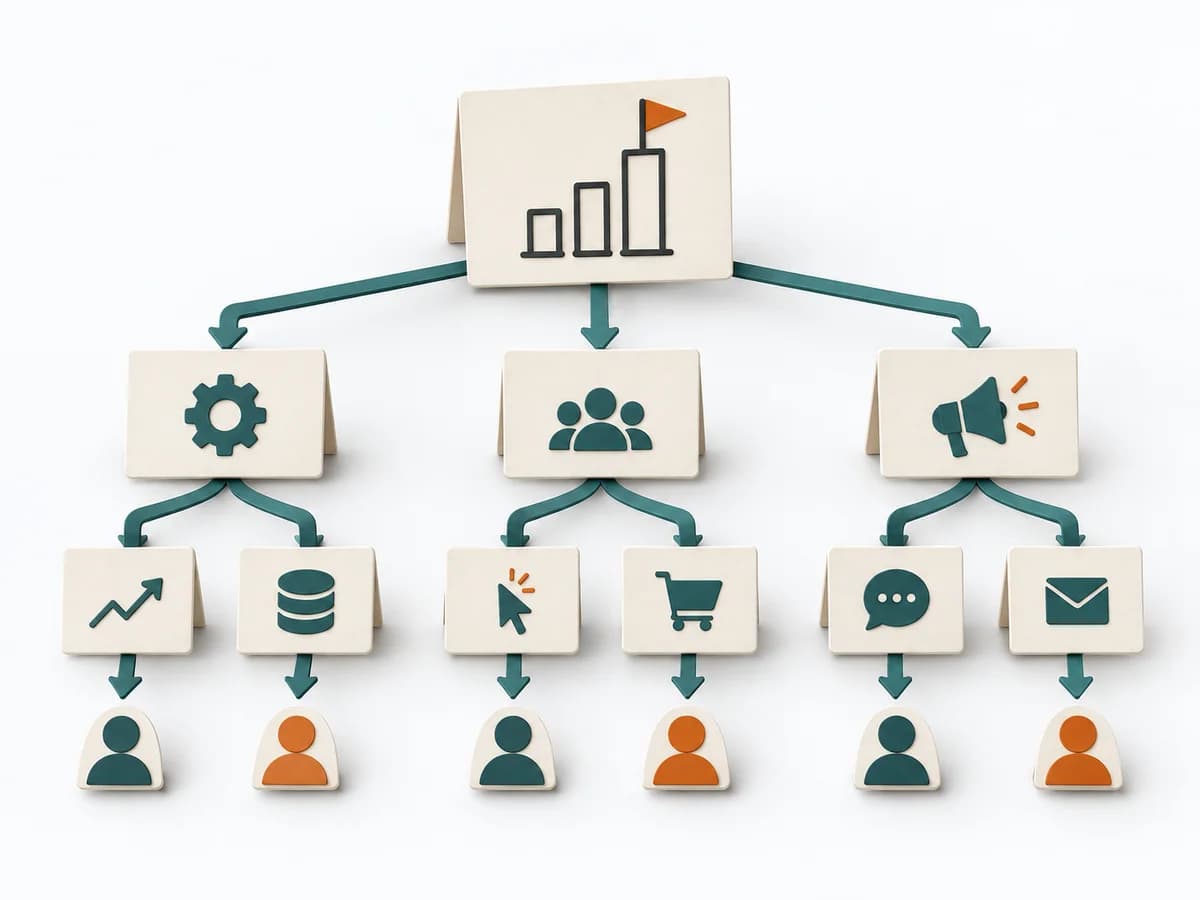
Purposedifferent | The PARA Method organizes knowledge into Projects, Areas, Resources, and Archives. It creates order when digital notes, files, and tasks no longer cleanly fit current work. | Helps clarify observations, needs, and patterns in concrete terms. It groups observations into patterns, questions, and decisions. The result is captured as a HEART-GSM table and dashboard. | Teach-back checks whether an explanation actually got through to the other person. The method makes misunderstandings visible early and strengthens shared understanding in advisory and learning situations. |
Complexitydifferent | Medium | Medium | Low |
Timedifferent | 1-3 h Setup, laufend | 120 min initial, dann laufend | 5-20 min |
Participantsdifferent | 1 | 3-6 | 2-8 |
Formatdifferent | Async | Workshop + async | Workshop + async |
Outputdifferent | PARA Structure, Project Notes, Knowledge Archive | HEART-GSM Table, Dashboard | Understanding Check, Clarification Notes, Learning Gaps |
Tagsno overlap | KnowledgeProductivityOrganization | MetricsUX researchMeasurementSatisfaction | LearningUnderstandingCommunication |
Often compared together
Methods with strong topical overlap with the current selection, not yet in the comparison.