View methods side by side.
Choose up to four methods. Add them using the search and share the comparison by copying its link.
| Criterion |  Architecture LASR (Lightweight Approach for Software Reviews) |  Operations Family Tree Analysis |
|---|---|---|
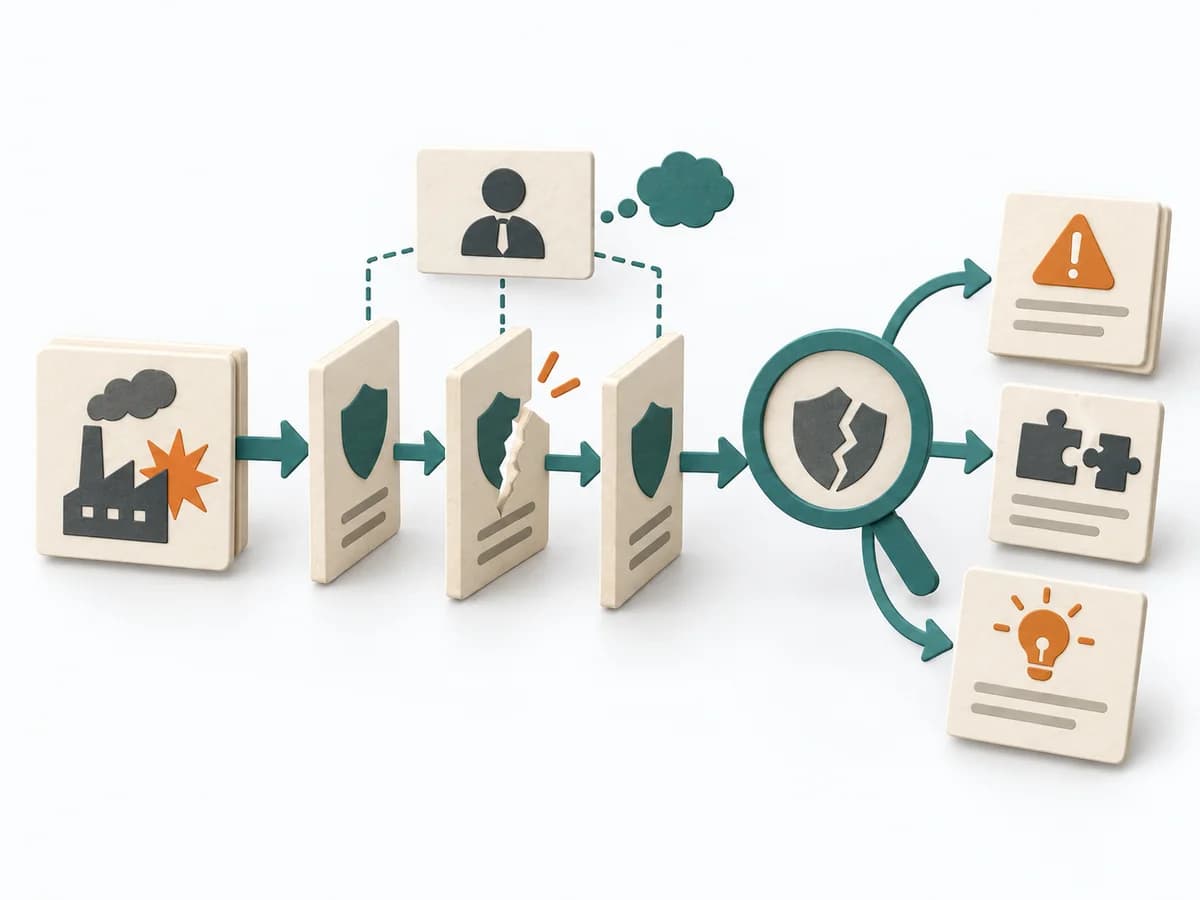
Purposedifferent | LASR helps development teams identify where their software falls short of important quality goals and which improvements to consider. A small group with existing system knowledge can make an initial assessment and investigate open questions in more detail. | For a series of incidents with a similar pattern, the method arranges individual events as branches of a common origin. It makes visible which conditions keep recurring. |
Complexitysame | Medium | Medium |
Timedifferent | 3–4 h for initial assessment; preparation and deeper analysis additional | 2-4 h |
Participantsdifferent | 1 or a small team; particularly suitable for 3–4 people | 2-6 |
Formatsame | Workshop + async | Workshop + async |
Outputdifferent | Lean Mission Statement describing the software’s purpose, Prioritized quality goals and evaluation criteria, Risks and estimated gaps against quality goals, More closely examined findings and open checks | Family Tree Diagram, Pattern Notes, Systemic Measures |
Tagsno overlap | ArchitectureQualityRiskAssessmentLean | Root causePatternsIncidentSystemic |
Often compared together
Methods with strong topical overlap with the current selection, not yet in the comparison.