View methods side by side.
Choose up to four methods. Add them using the search and share the comparison by copying its link.
| Criterion | 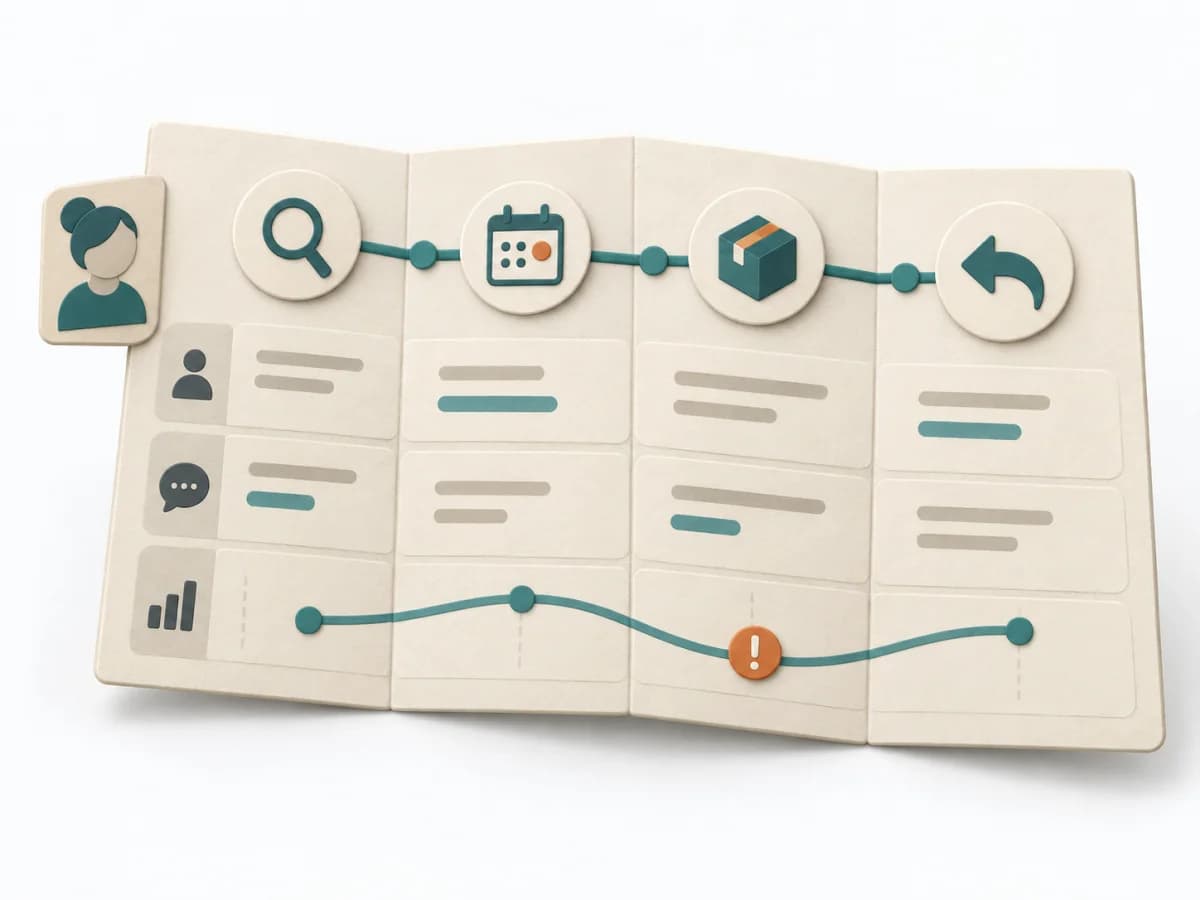 UX Research Customer Journey Mapping | 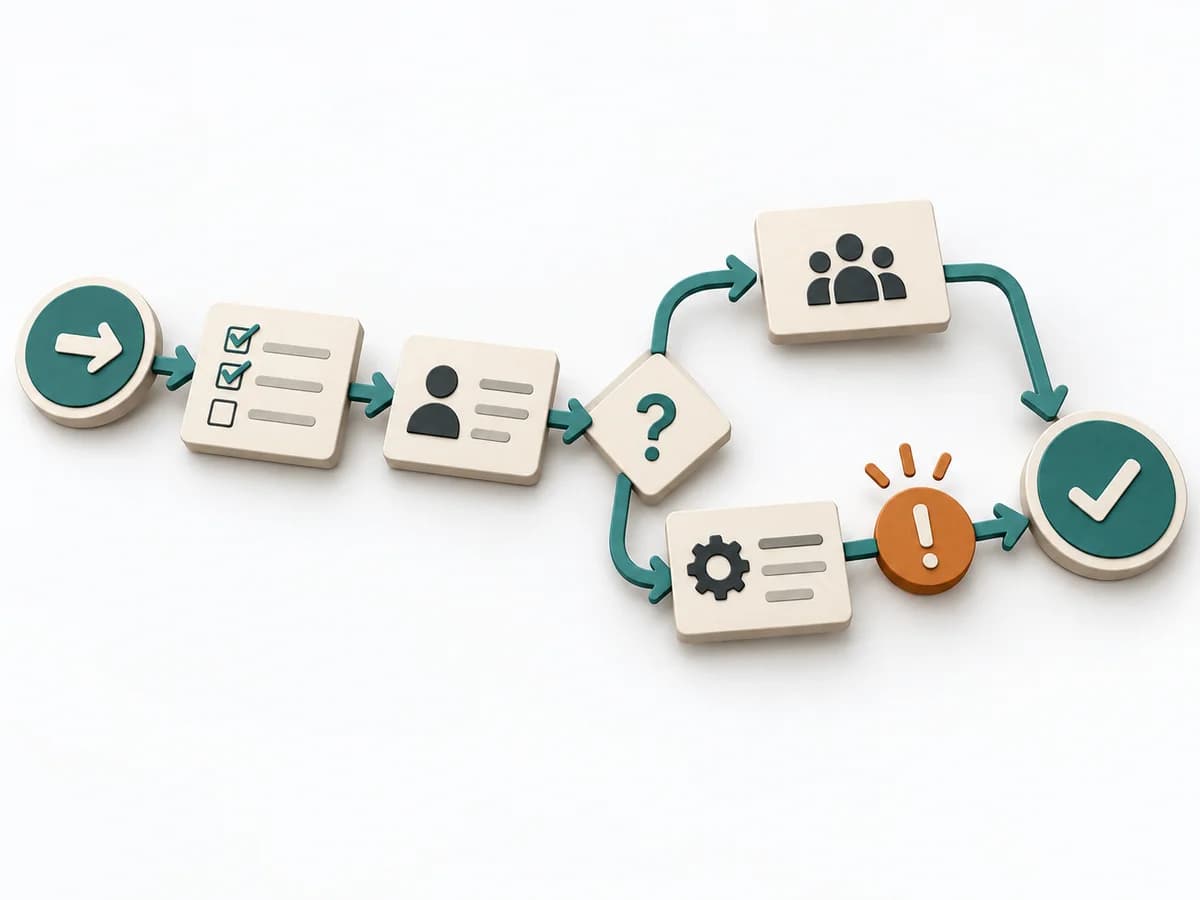 Operations Process Mapping |  Operations Fishbone Diagram |
|---|---|---|---|
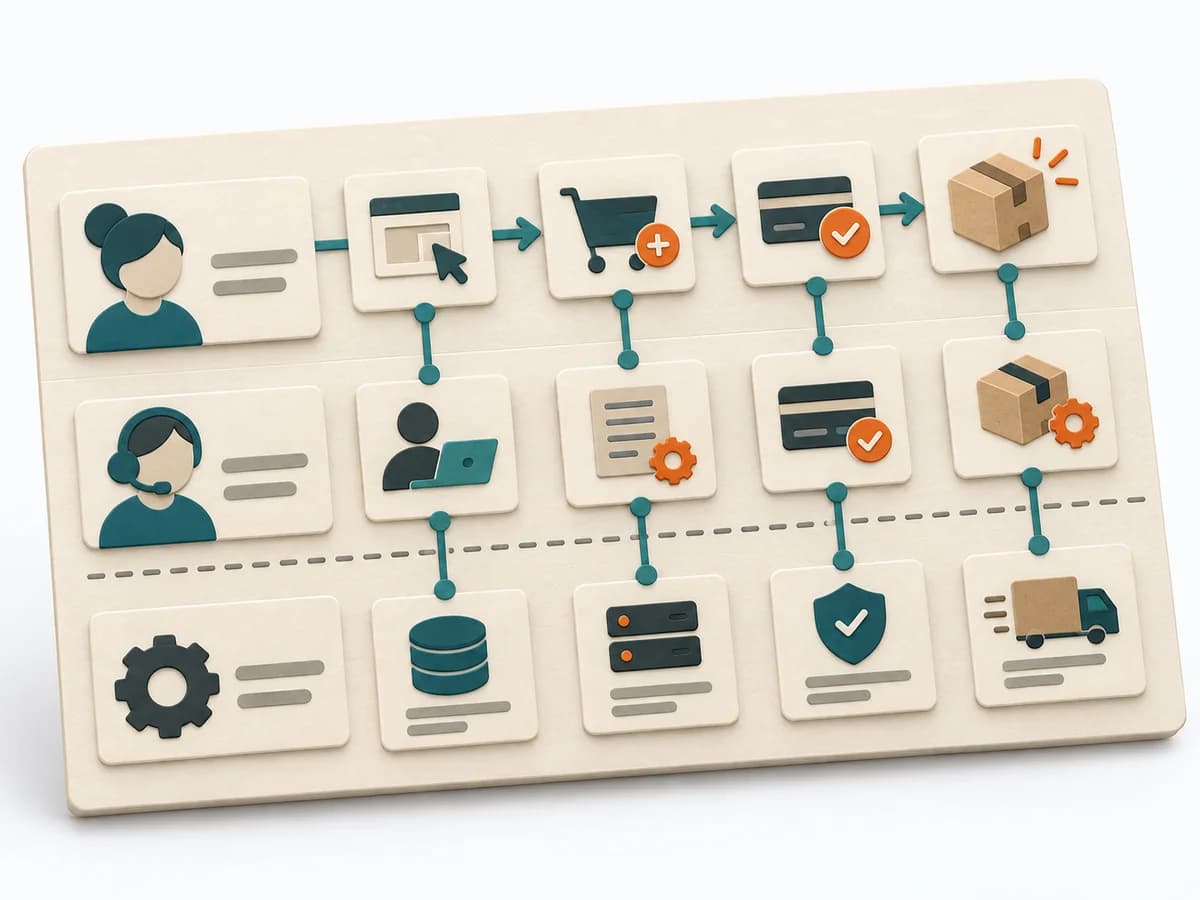
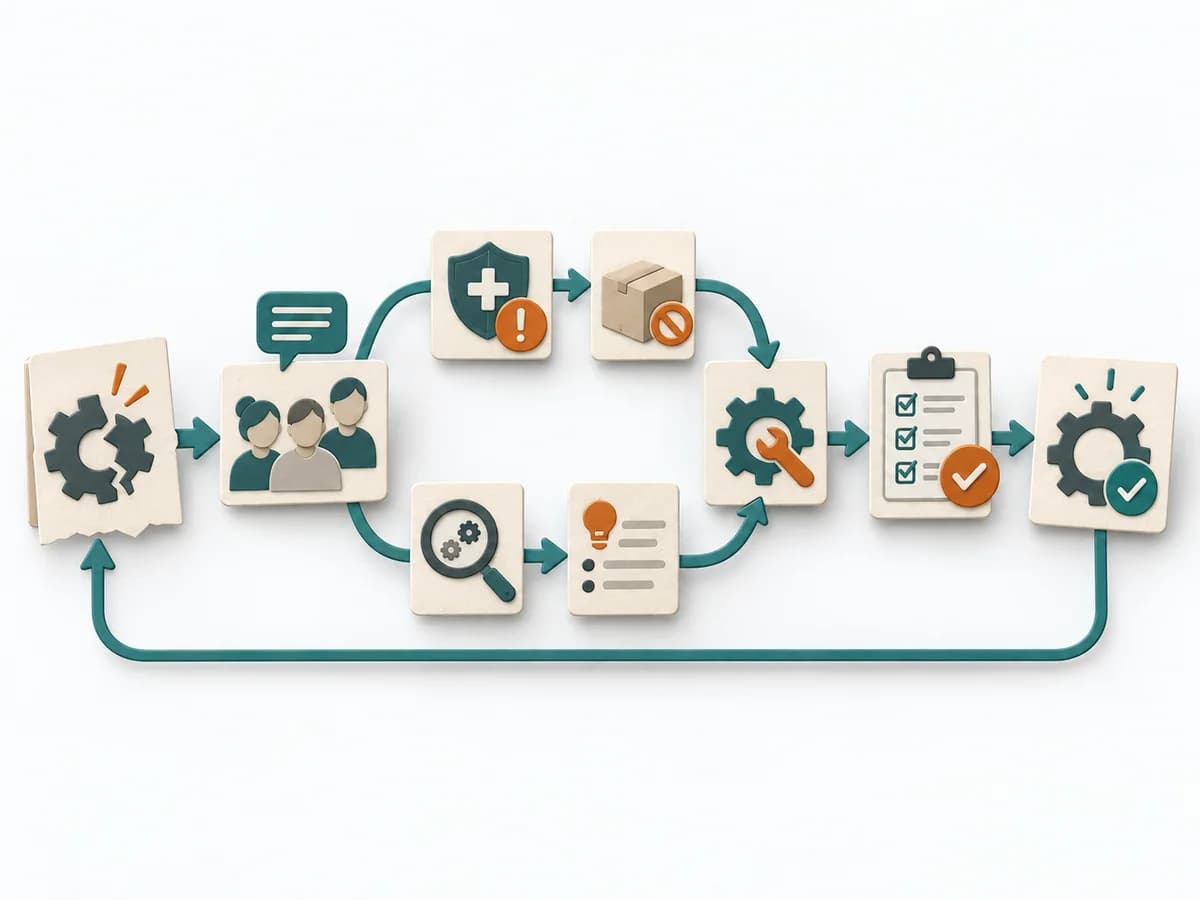
Purposedifferent | When a user journey falls apart across many touchpoints, customer journey mapping makes the experience visible as a coherent arc. Phases, emotions, and breaks become legible enough to prioritize critical moments deliberately. | With a confusing workflow that has many handoffs, the method makes the actual process visible. It shows where work is passed on, delayed, or duplicated, so improvement targets the right spots. | When a problem has several possible contributing factors, the method sorts causes by cause areas. It prevents an initial hunch from blocking the view of other plausible drivers. |
Complexitydifferent | Medium | Medium | Low |
Timedifferent | 2-4 h | 1-3 h | 30-60 min |
Participantsdifferent | 4-10 | 3-10 | 2-8 |
Formatsame | Workshop | Workshop | Workshop |
Outputdifferent | Journey Map, Pain-point List, Opportunity Backlog | Process Map, Handoff List, Improvement Backlog | Fishbone Diagram, Cause Categories, Investigation Backlog |
Tagsno overlap | JourneyServiceService design | ProcessOperationsImprovement | Root causeQualityOperations |
Often compared together
Methods with strong topical overlap with the current selection, not yet in the comparison.