View methods side by side.
Choose up to four methods. Add them using the search and share the comparison by copying its link.
| Criterion |  Systems Thinking Intervention Mapping |  UX Research User Interviews |  Systems Thinking Current Reality Tree |
|---|---|---|---|
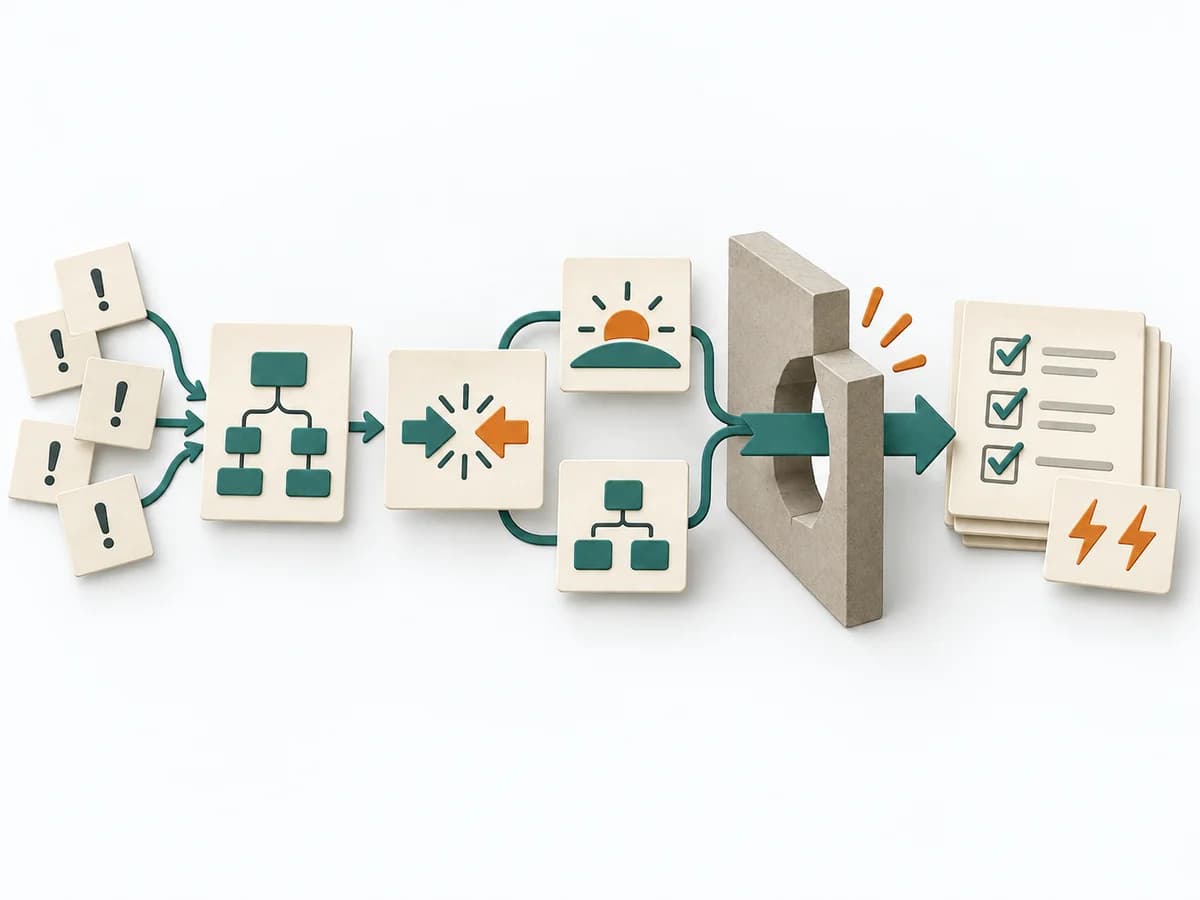
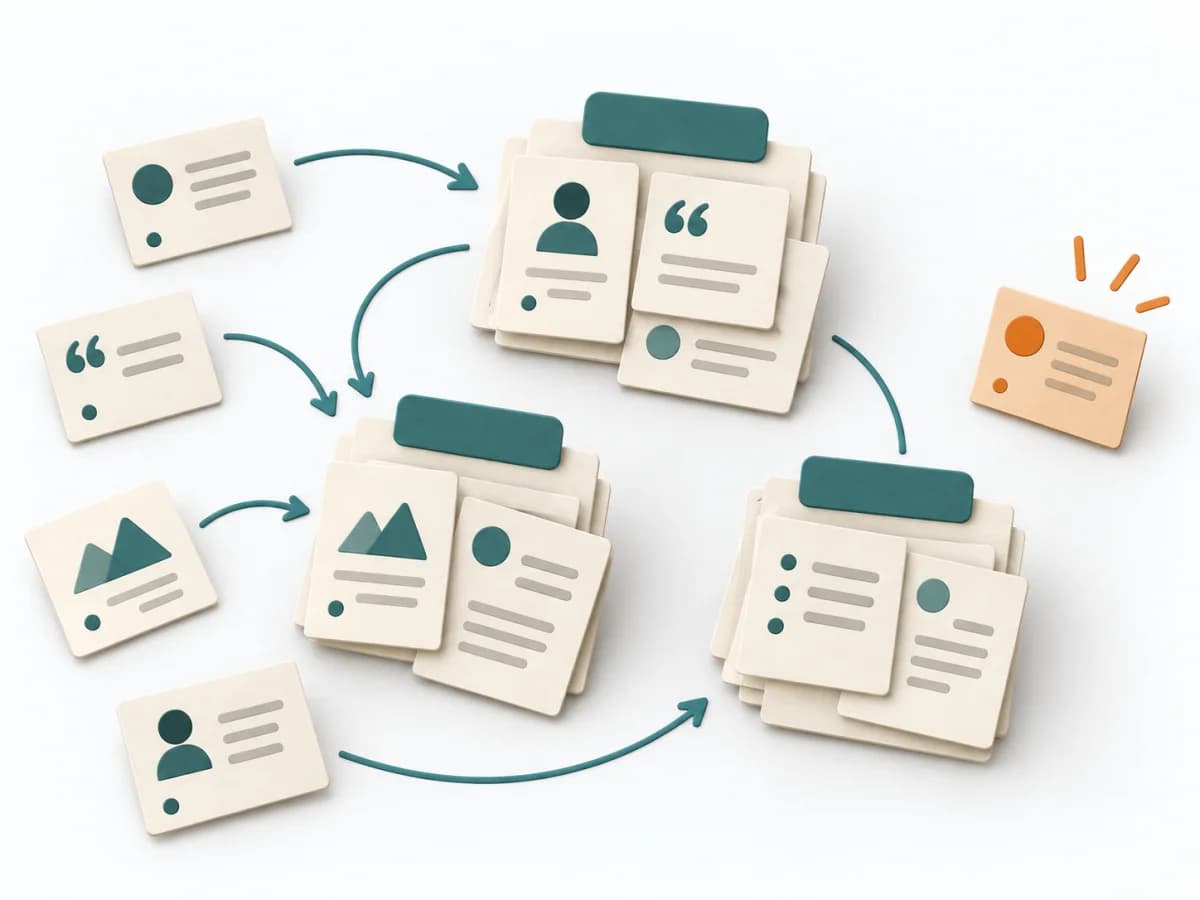
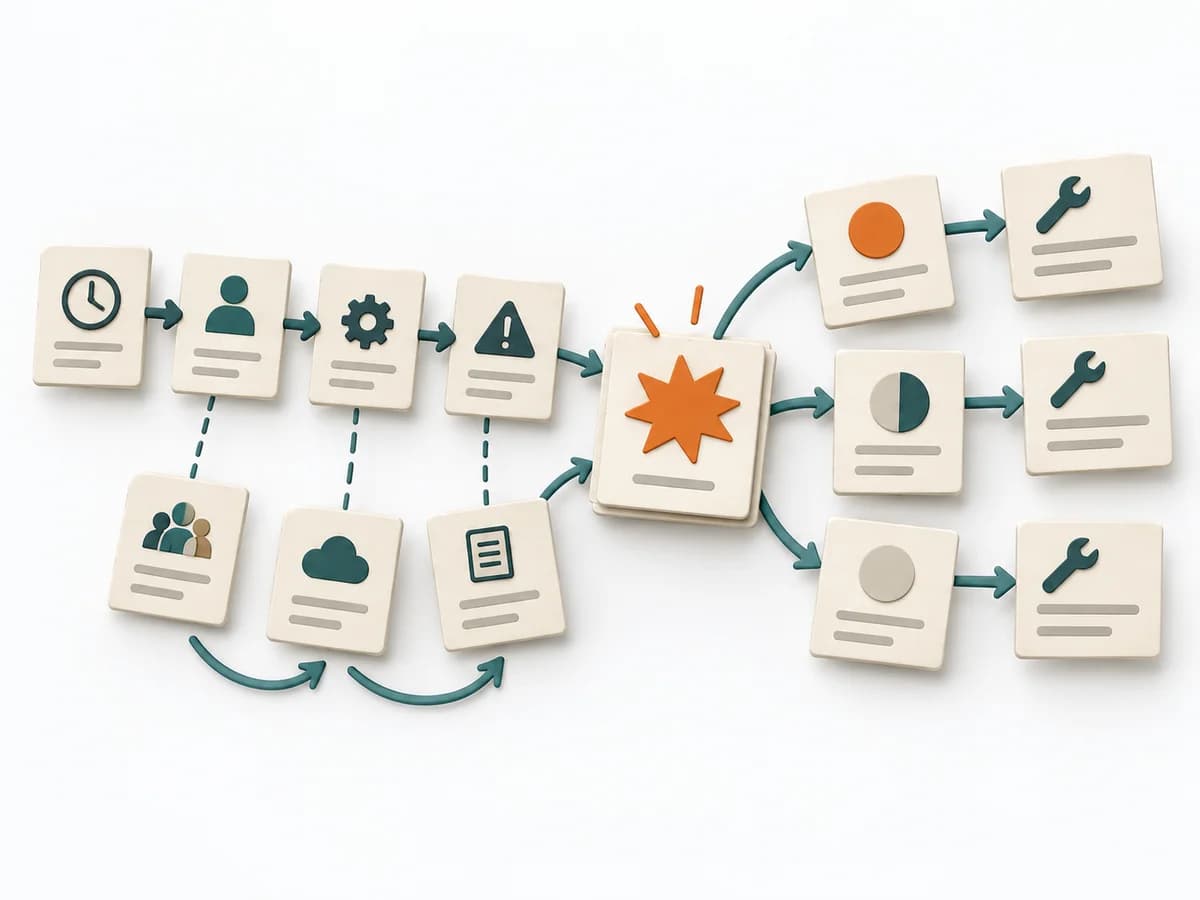
Purposedifferent | Intervention Mapping translates a need for change into a planned, evaluable program. The method connects target group, determinants, actions, and measurement into a traceable chain. | When teams derive needs only from assumptions and real motives are missing, user interviews give direct access to behavior and meaning. Conversations from the target group's everyday life make patterns, tensions, and open questions solidly visible. | A Current Reality Tree condenses many symptoms into a few causal chains. The method makes visible which core problems drive several negative effects at once. |
Complexitydifferent | High | Low | High |
Timedifferent | 1-5 Tage | 30–60 min per interview | 2-6 h |
Participantsdifferent | 4-12 | 1 participant per interview | 3-8 |
Formatdifferent | Workshop + async | Workshop + async | Workshop |
Outputdifferent | Logic Model, Change Objectives, Intervention Components, Evaluation Plan | Interview Notes, Themes, Insight Summary | Current Reality Tree, Core Problems, Intervention Ideas |
Tagsno overlap | ChangeSystems thinkingCapability | QualitativeResearchCustomerDiscovery | Systems thinkingRoot causeConstraintsCausality |
Often compared together
Methods with strong topical overlap with the current selection, not yet in the comparison.