View methods side by side.
Choose up to four methods. Add them using the search and share the comparison by copying its link.
| Criterion |  Engineering Failure Scenario Analysis | 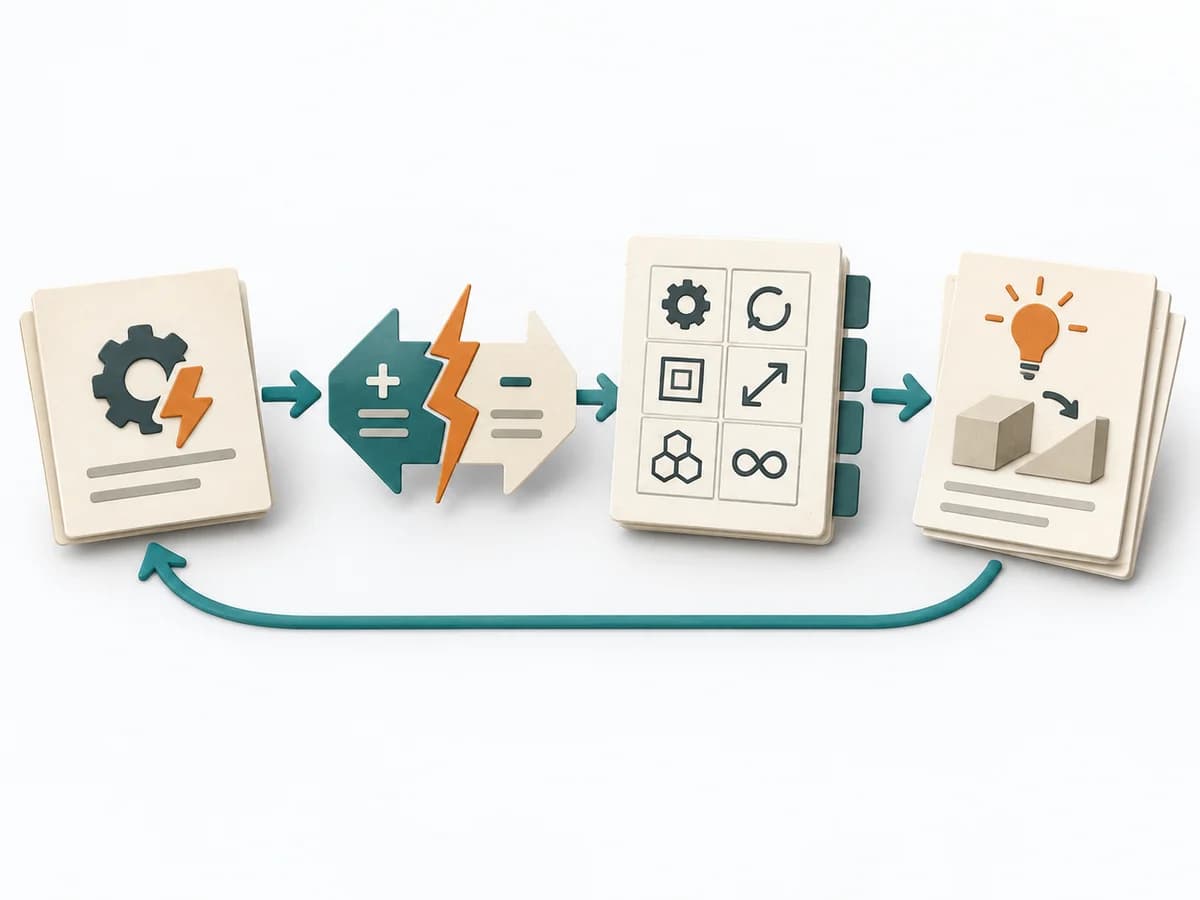 Innovation TRIZ |  Facilitation Stakeholder Mapping |
|---|---|---|---|
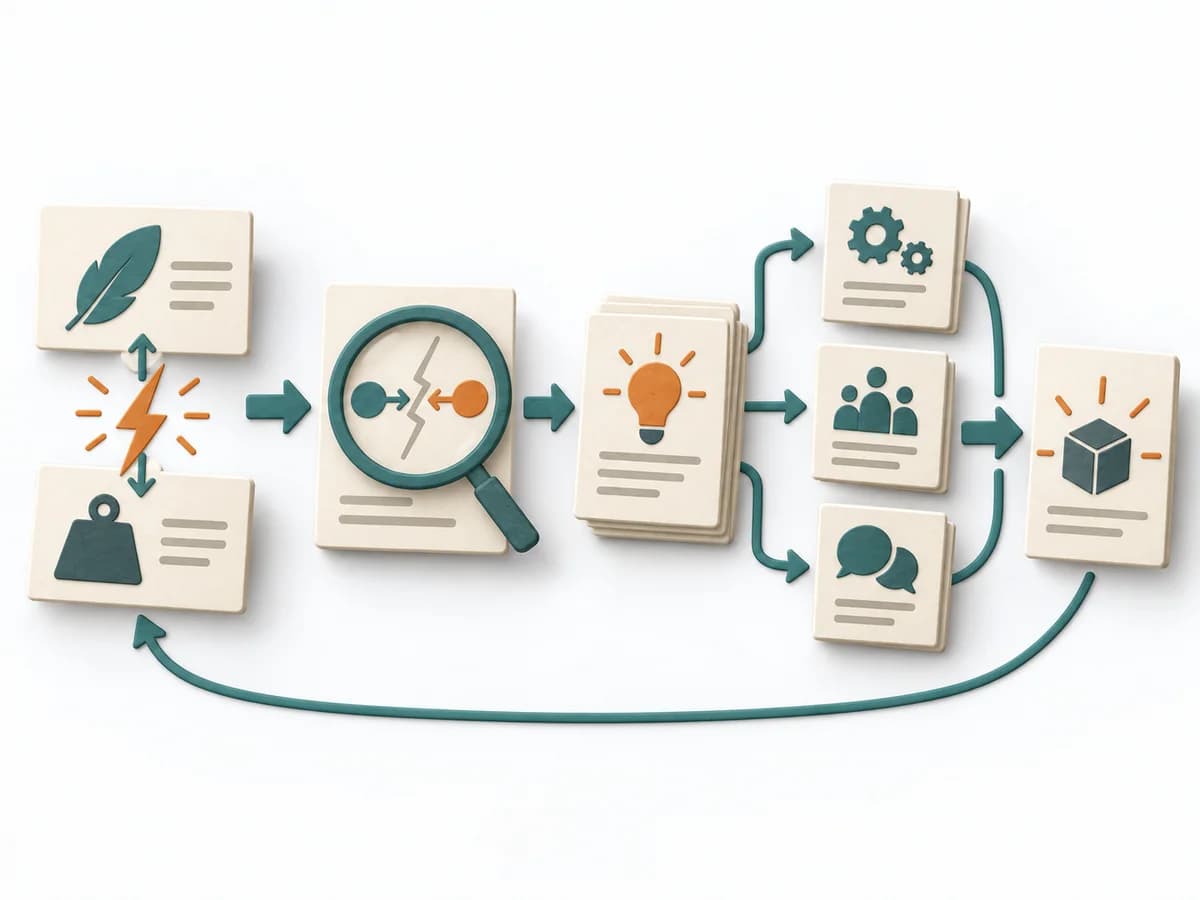
Purposedifferent | In critical processes, it is not enough to plan only for the normal case. Failure Scenario Analysis looks at the path into failure and shows which failures, chains, and control gaps cause the most damage. | For technical contradictions or trade-offs, the method looks for solutions that resolve opposing requirements at the same time. It translates limits into an explicit picture of conflict that becomes workable. This produces not just compromises but more elegant principles. | When an initiative depends on many people, interests, and power dynamics, Stakeholder Mapping systematically orders the environment. It shows who influences, who is affected, and where relationship management or safeguarding matters first. |
Complexitydifferent | Medium | High | Low |
Timedifferent | 1-3 h | 1-4 h | 60–90 min |
Participantsdifferent | 3-8 | 2-8 | 2-8 |
Formatdifferent | Workshop | Workshop + async | Workshop + async |
Outputdifferent | Failure Scenarios, Risk Notes, Control Gaps, Test and Response Actions | Contradiction Statement, Inventive Principles, Solution Concepts | Stakeholder Map, Engagement Plan, Risk Notes |
Tagsno overlap | FailureResilienceRisk | InnovationProblem solvingContradictionsCreativity | StakeholdersAlignmentFacilitationChange |
Often compared together
Methods with strong topical overlap with the current selection, not yet in the comparison.