View methods side by side.
Choose up to four methods. Add them using the search and share the comparison by copying its link.
| Criterion | 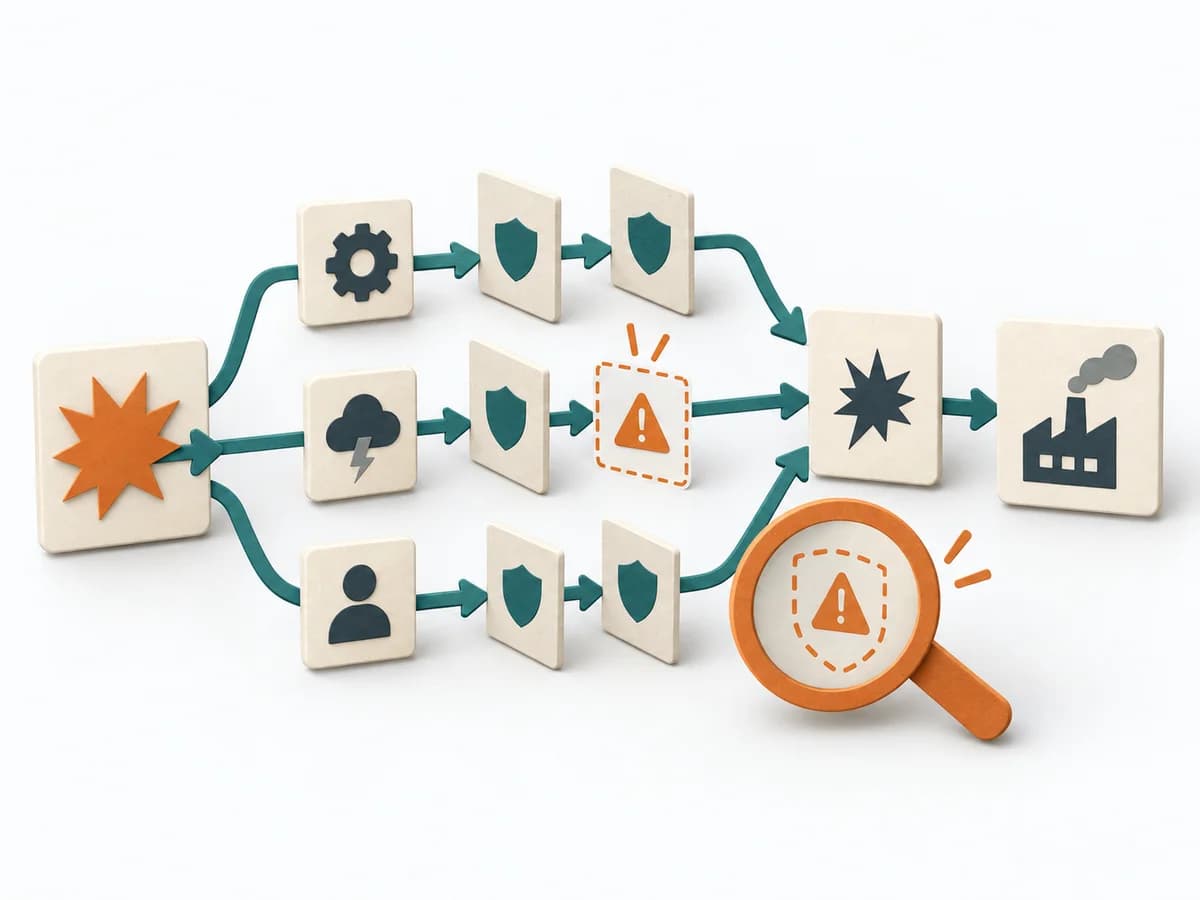 Engineering Failure Scenario Analysis |  Systems Thinking Iceberg Model |  Systems Thinking Current Reality Tree |
|---|---|---|---|
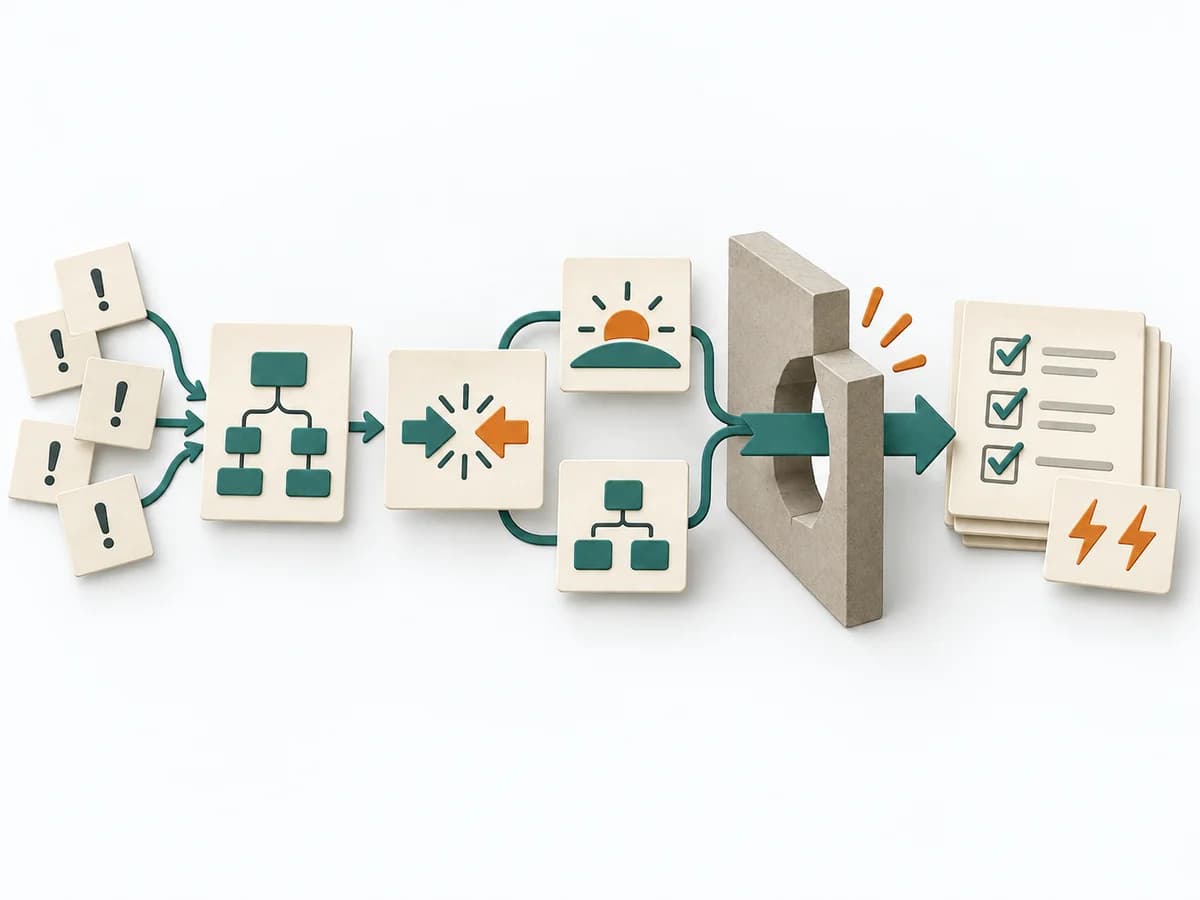
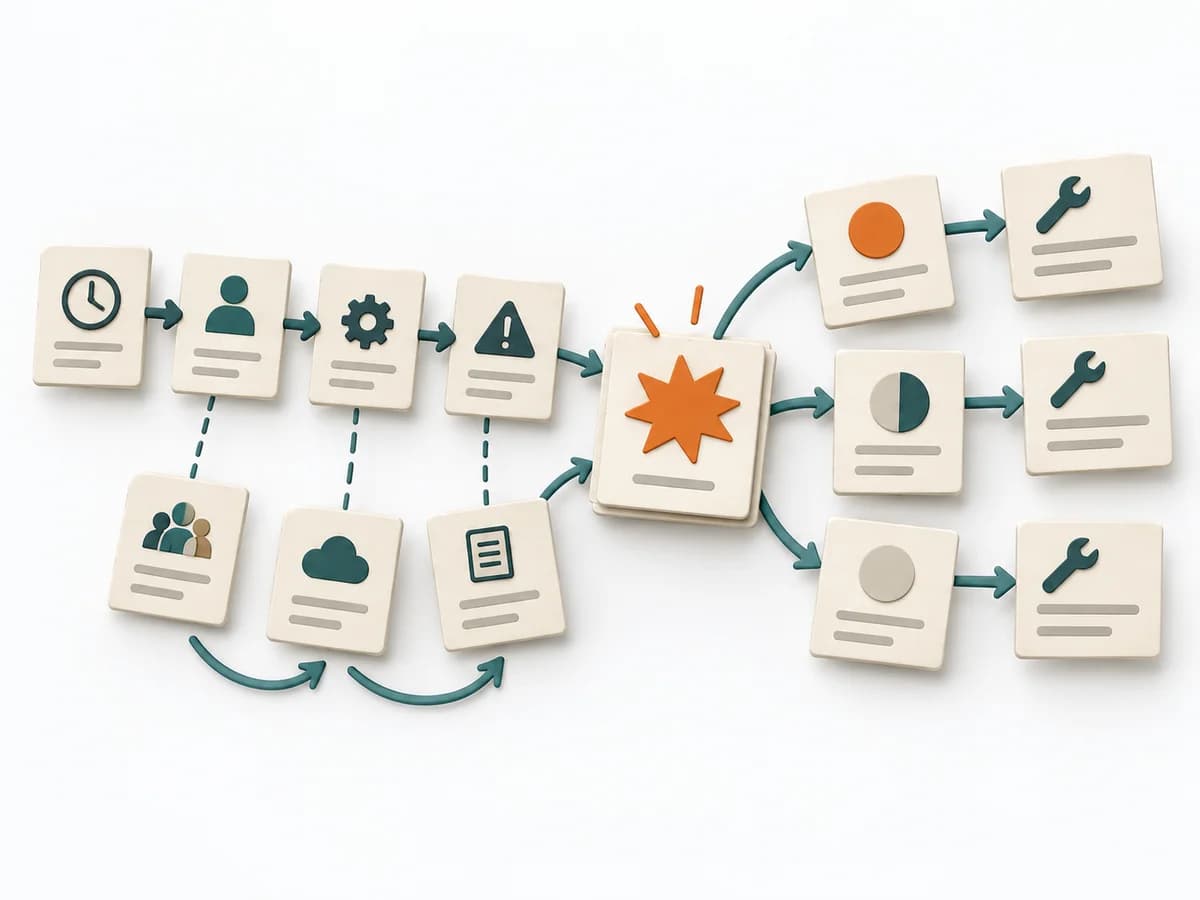
Purposedifferent | In critical processes, it is not enough to plan only for the normal case. Failure Scenario Analysis looks at the path into failure and shows which failures, chains, and control gaps cause the most damage. | The Iceberg Model separates visible events from patterns, structures, and mental models. This turns a single observation into a deeper understanding of why a problem keeps recurring. | A Current Reality Tree condenses many symptoms into a few causal chains. The method makes visible which core problems drive several negative effects at once. |
Complexitydifferent | Medium | Low | High |
Timedifferent | 1-3 h | 30-60 min | 2-6 h |
Participantsdifferent | 3-8 | 2-10 | 3-8 |
Formatdifferent | Workshop | Workshop + async | Workshop |
Outputdifferent | Failure Scenarios, Risk Notes, Control Gaps, Test and Response Actions | Iceberg Worksheet, Pattern Notes, Intervention Ideas | Current Reality Tree, Core Problems, Intervention Ideas |
Tagsno overlap | FailureResilienceRisk | Systems thinkingRoot causePatterns | Systems thinkingRoot causeConstraintsCausality |
Often compared together
Methods with strong topical overlap with the current selection, not yet in the comparison.