View methods side by side.
Choose up to four methods. Add them using the search and share the comparison by copying its link.
| Criterion | 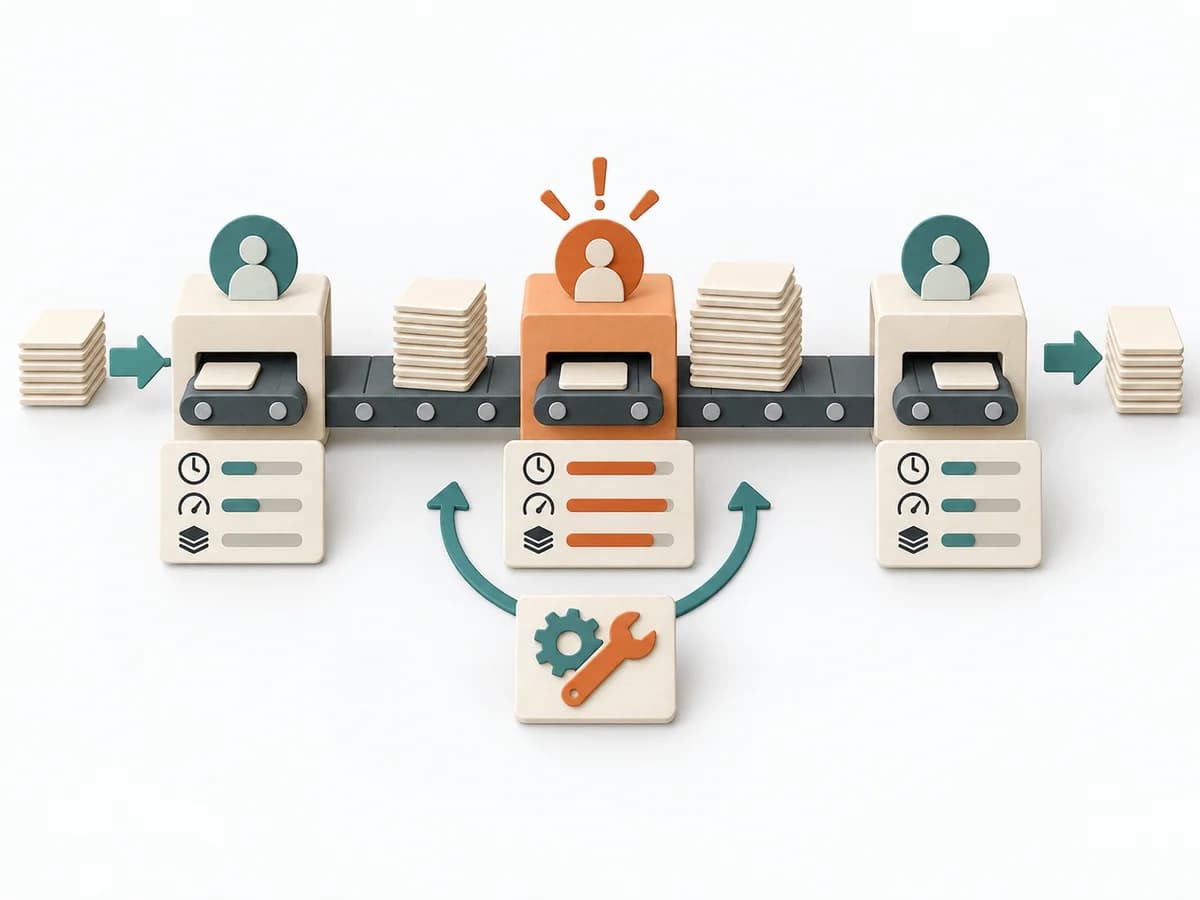 Operations Bottleneck Analysis |  Knowledge Modeling Event Modeling | 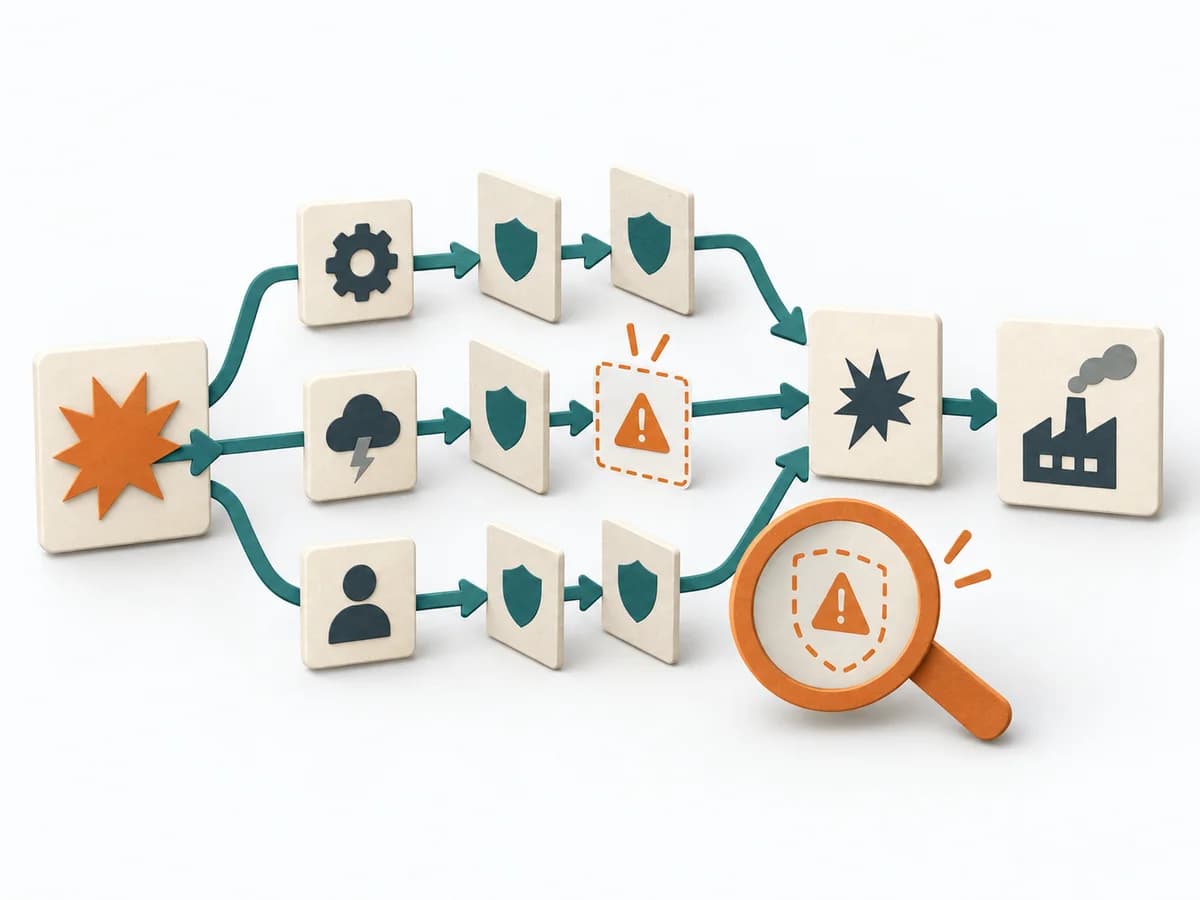 Engineering Failure Scenario Analysis |
|---|---|---|---|
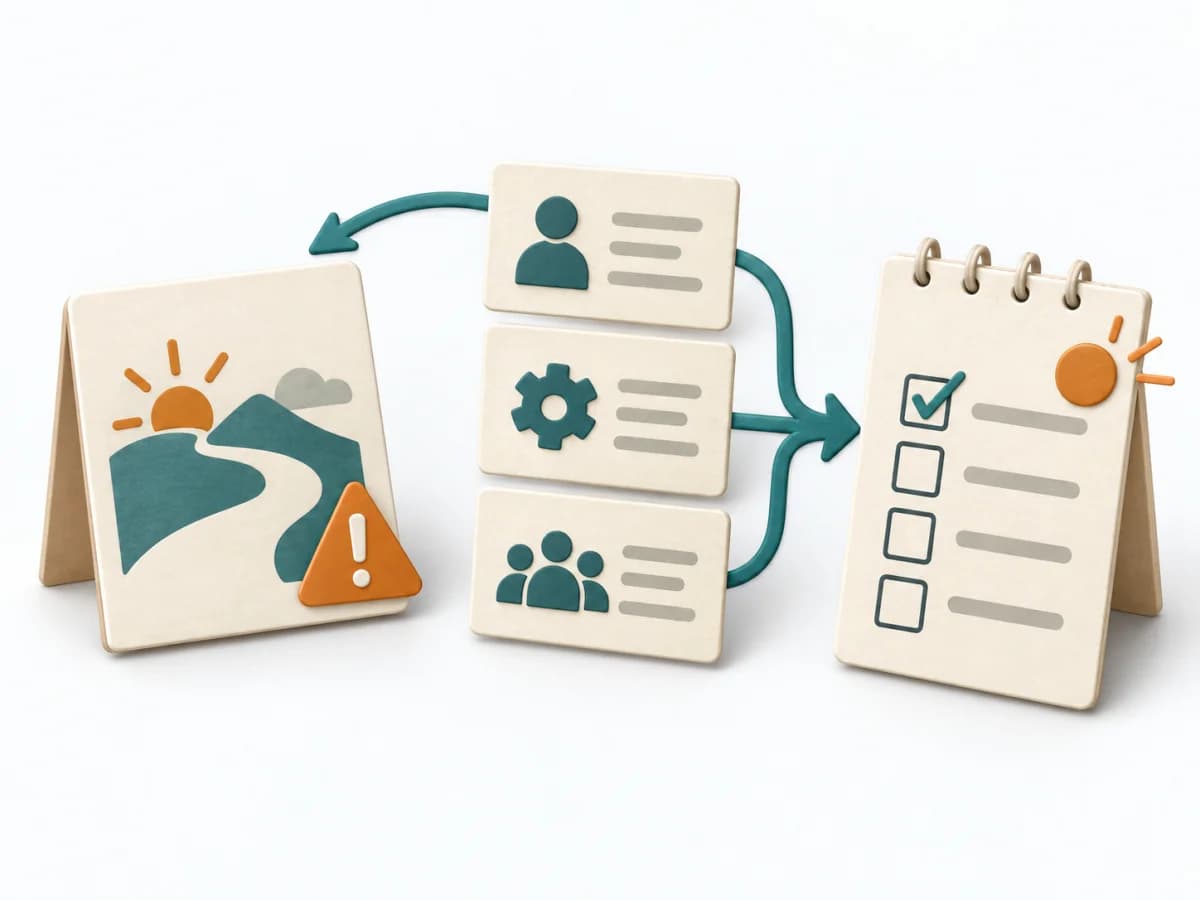
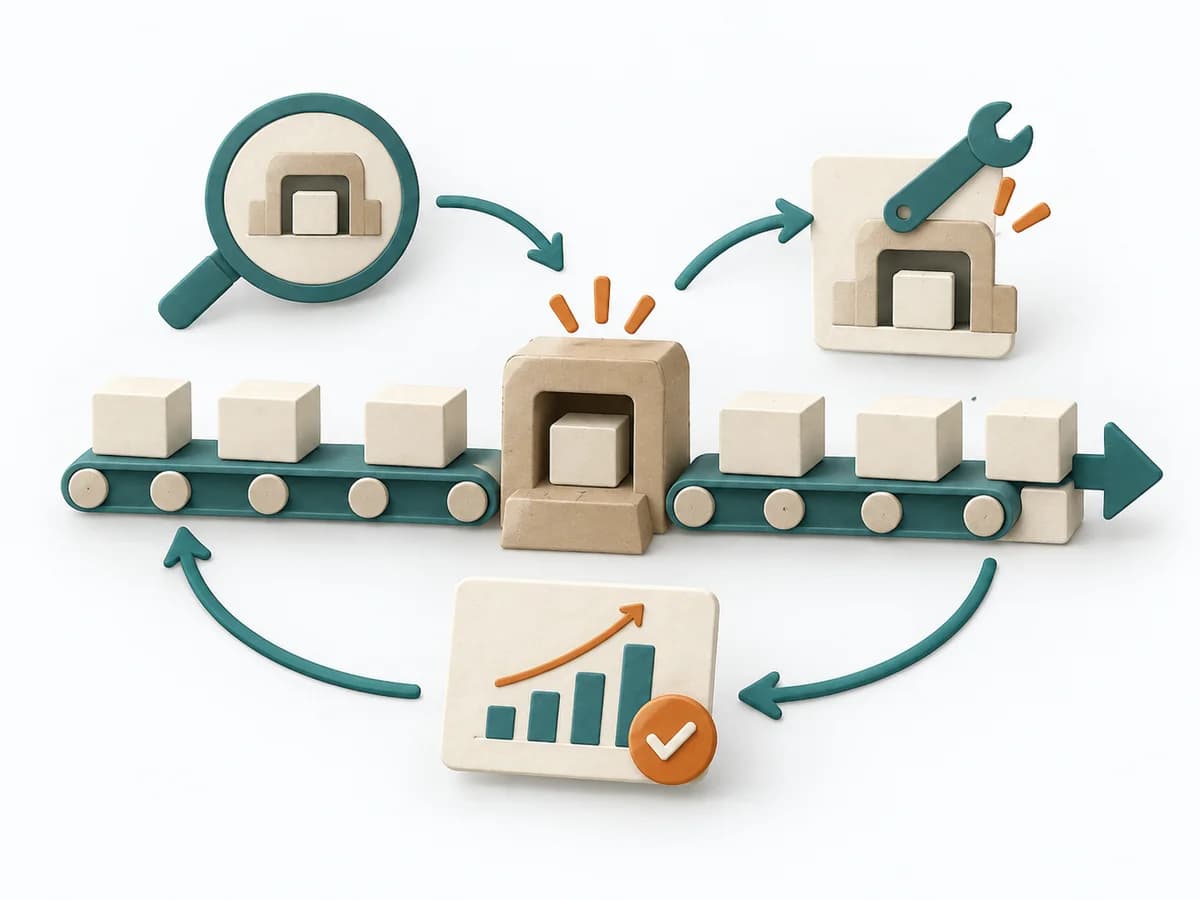
Purposedifferent | For a flow that backs up at one point, the method looks for the capacity limit with the greatest leverage. It explains why extra effort elsewhere barely improves throughput. | Event Modeling connects business workflows with commands, events, and views into one coherent mental model. It helps design behavior, UI, and technical slices from the same underlying logic. | In critical processes, it is not enough to plan only for the normal case. Failure Scenario Analysis looks at the path into failure and shows which failures, chains, and control gaps cause the most damage. |
Complexitysame | Medium | Medium | Medium |
Timedifferent | 1-3 h | 2-6 h | 1-3 h |
Participantsdifferent | 3-8 | 2-8 | 3-8 |
Formatdifferent | Workshop + async | Workshop + async | Workshop |
Outputdifferent | Bottleneck Map, Flow Metrics, Improvement Options, Follow-up Measures | Event Model, UI Flow, Commands, Read Models | Failure Scenarios, Risk Notes, Control Gaps, Test and Response Actions |
Tagsno overlap | FlowMeasurementConstraints | EventsBlueprintDomain-Driven DesignBehavior | FailureResilienceRisk |
Often compared together
Methods with strong topical overlap with the current selection, not yet in the comparison.