View methods side by side.
Choose up to four methods. Add them using the search and share the comparison by copying its link.
| Criterion |  UX Research Affinity Diagramming |  Systems Thinking Current Reality Tree | 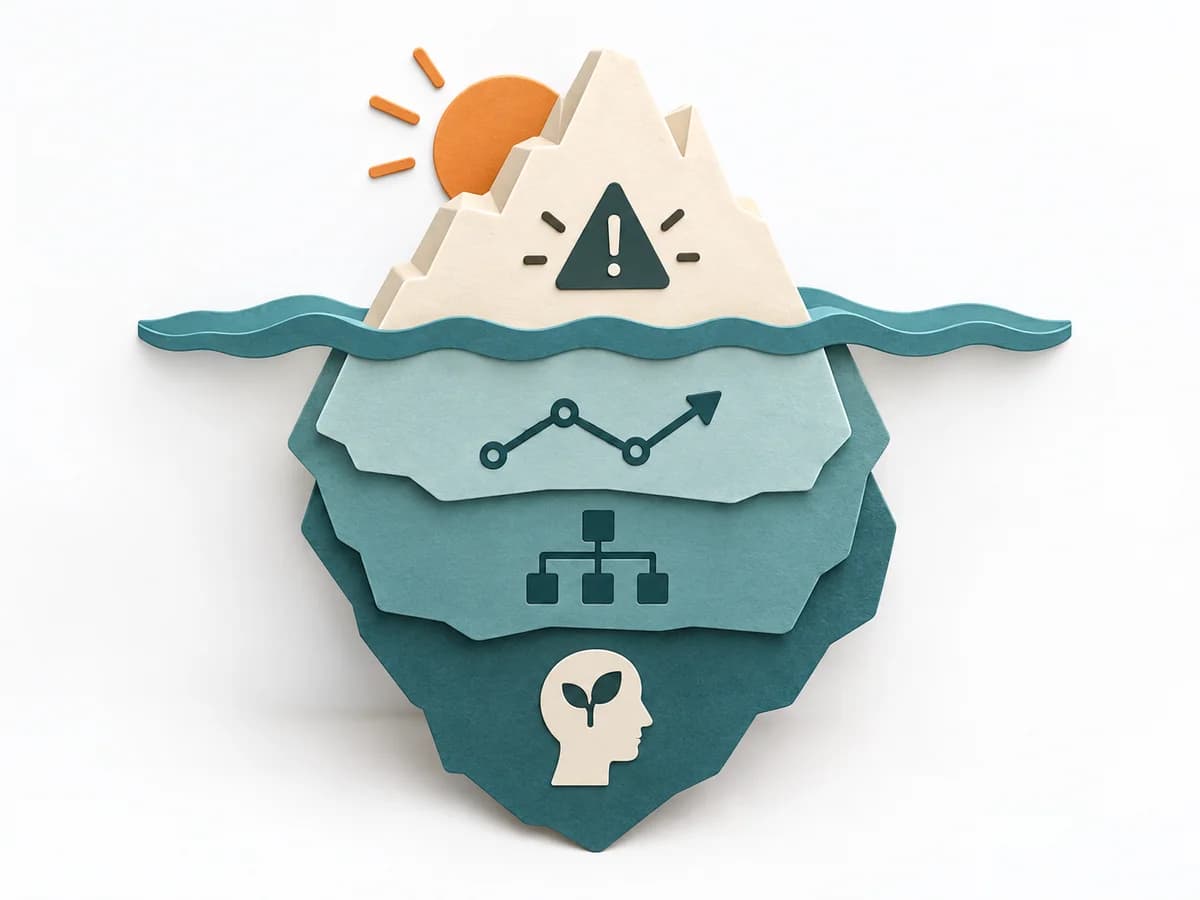 Systems Thinking Iceberg Model |
|---|---|---|---|
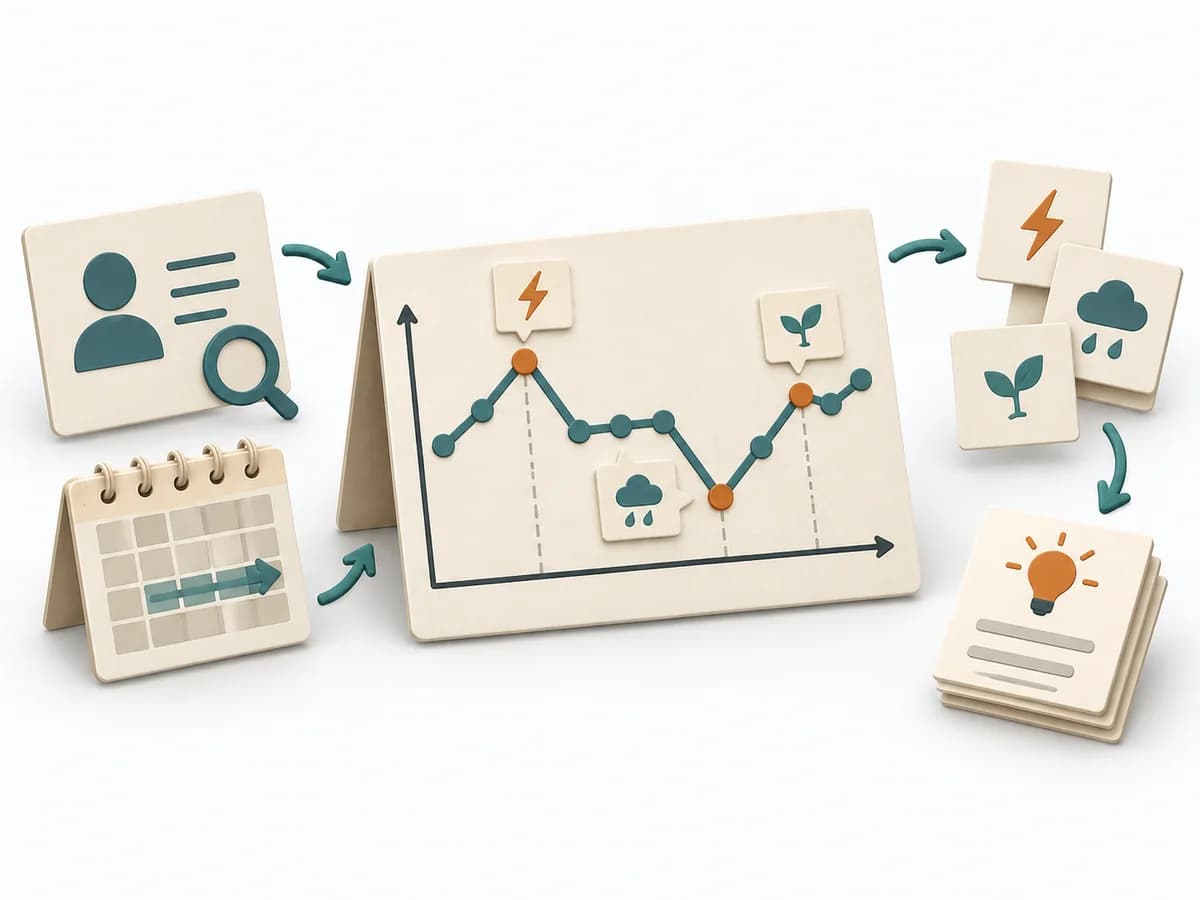
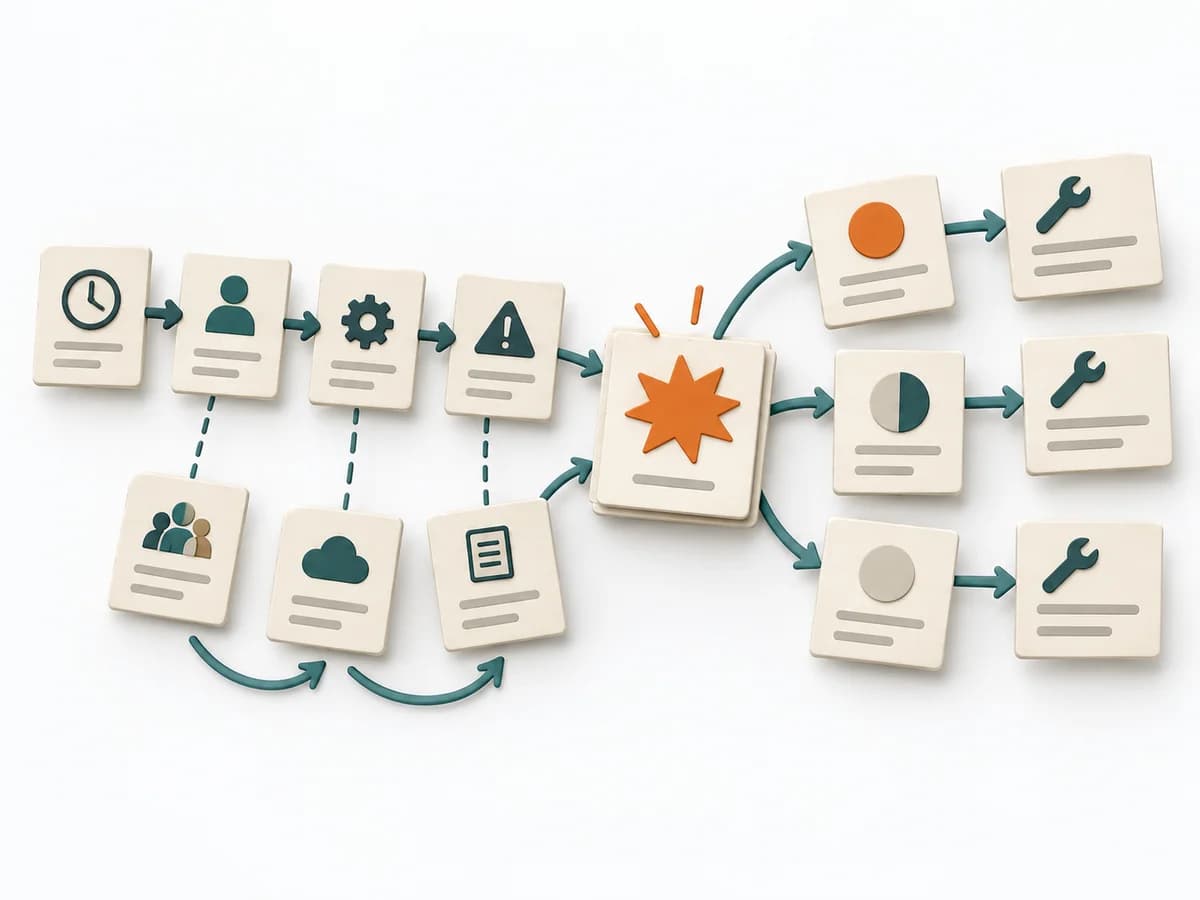
Purposedifferent | When research notes, feedback, or observations sit unconnected side by side, affinity diagramming sorts the raw material into solid themes. Many individual points turn into patterns that make decisions and opportunities clearer. | A Current Reality Tree condenses many symptoms into a few causal chains. The method makes visible which core problems drive several negative effects at once. | The Iceberg Model separates visible events from patterns, structures, and mental models. This turns a single observation into a deeper understanding of why a problem keeps recurring. |
Complexitydifferent | Low | High | Low |
Timedifferent | 45–90 min | 2-6 h | 30-60 min |
Participantsdifferent | 3-10 | 3-8 | 2-10 |
Formatdifferent | Workshop | Workshop | Workshop + async |
Outputdifferent | Theme clusters, Insight statements, Opportunity areas | Current Reality Tree, Core Problems, Intervention Ideas | Iceberg Worksheet, Pattern Notes, Intervention Ideas |
Tags1 shared | SynthesisQualitativeRoot cause | Systems thinkingRoot causeConstraintsCausality | Systems thinkingRoot causePatterns |
Often compared together
Methods with strong topical overlap with the current selection, not yet in the comparison.