View methods side by side.
Choose up to four methods. Add them using the search and share the comparison by copying its link.
| Criterion | 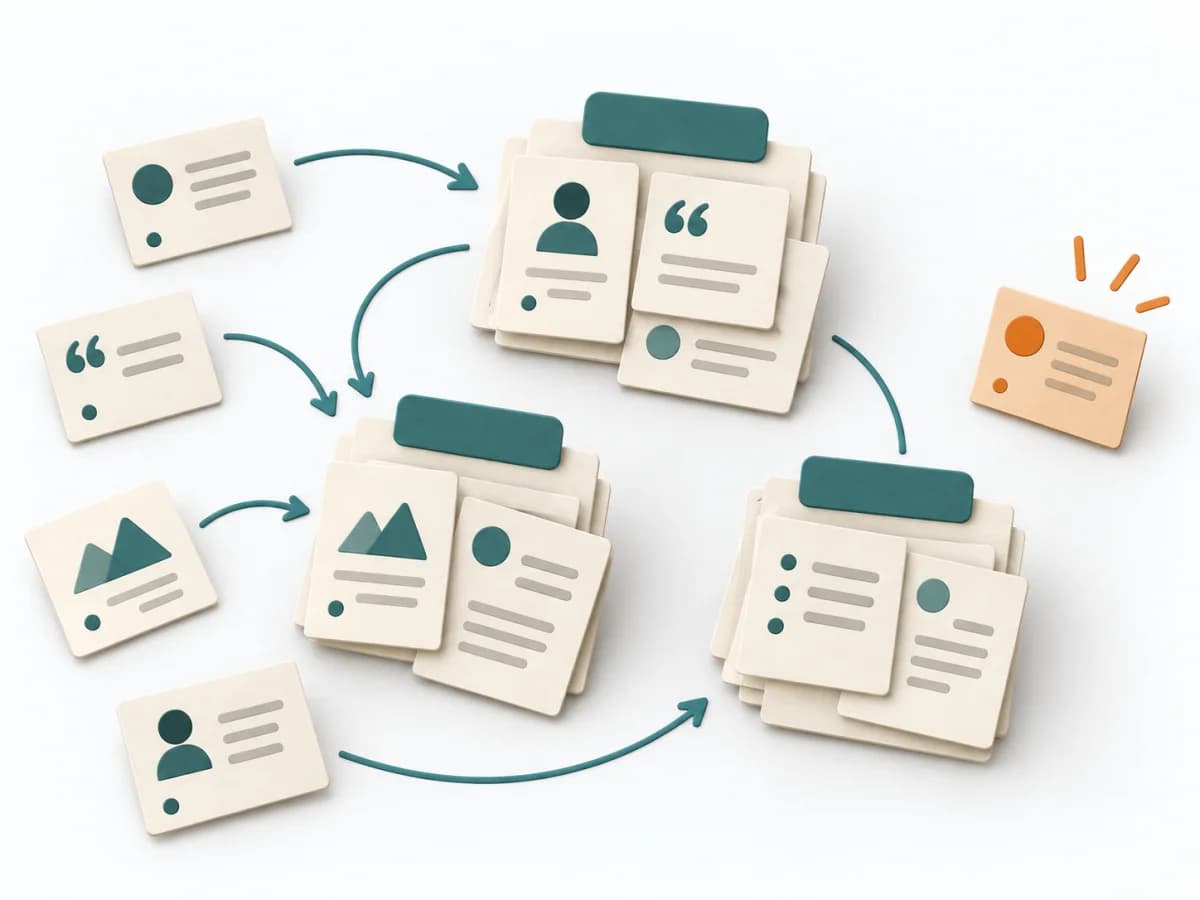 UX Research Affinity Diagramming | 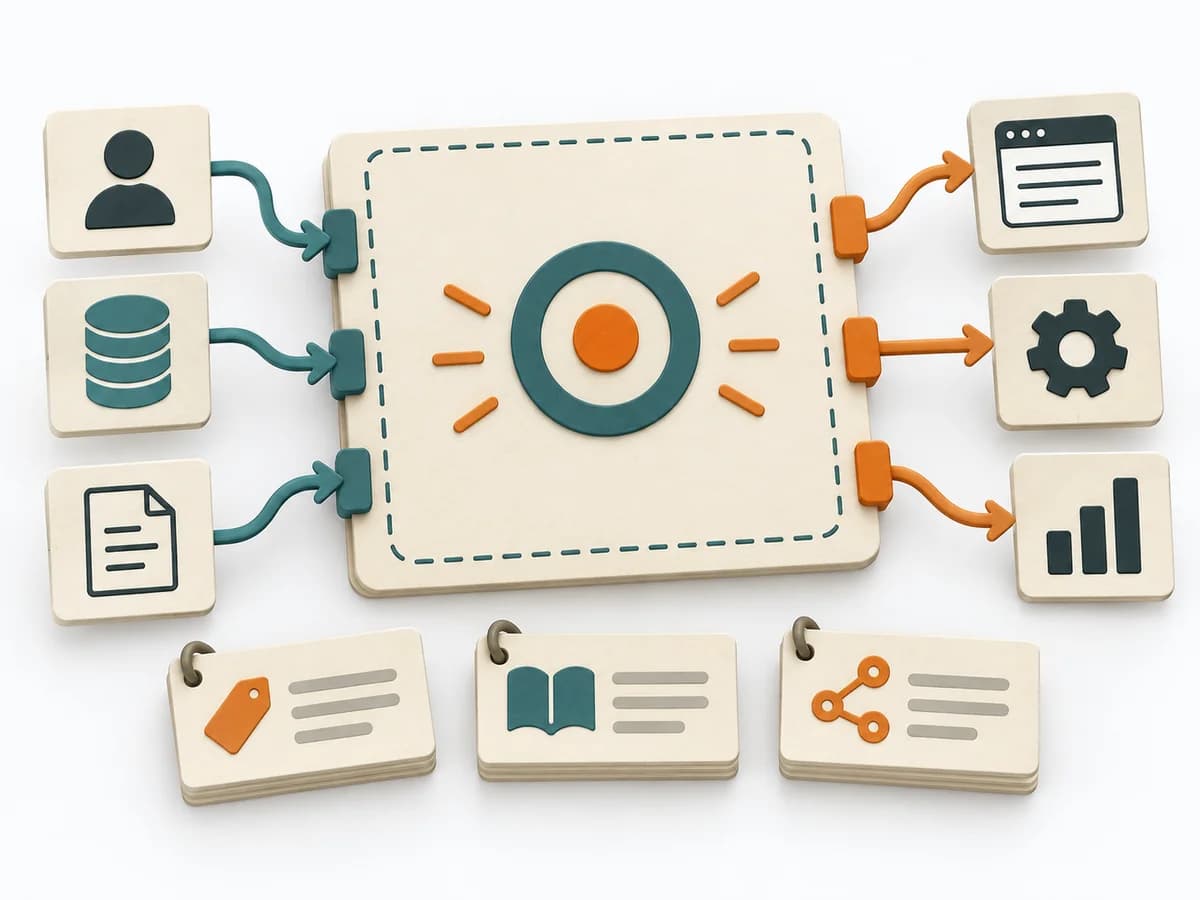 Domain Modeling Bounded Context Canvas | 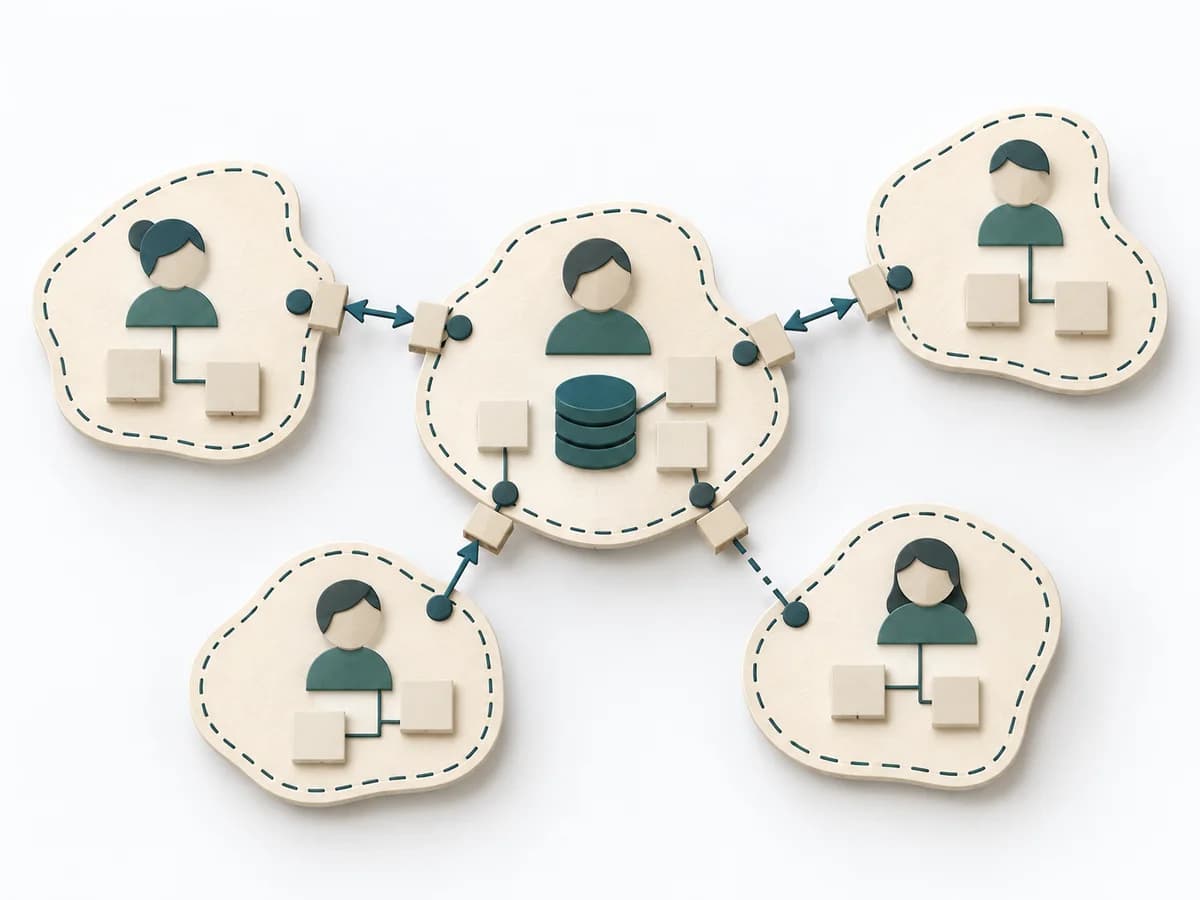 Domain Modeling Domain Context Map |
|---|---|---|---|
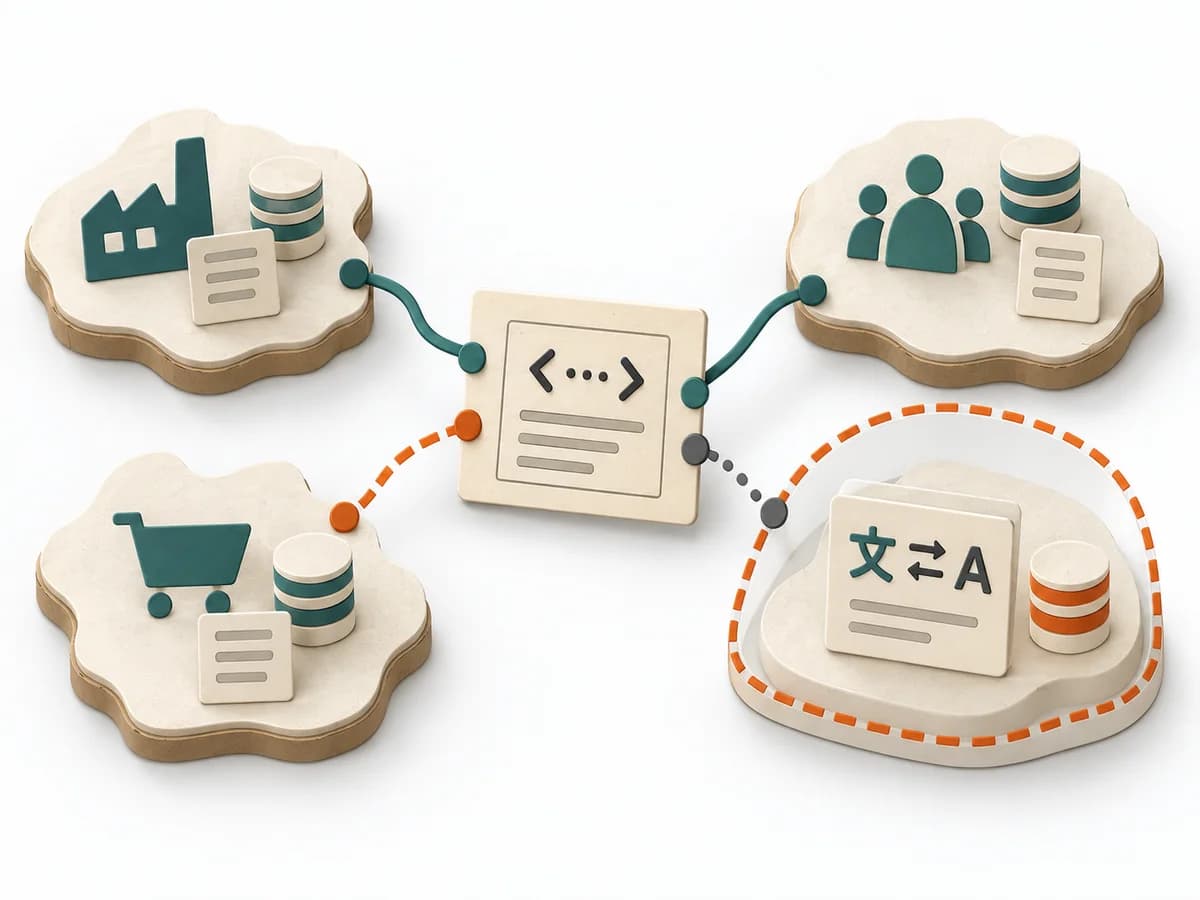
Purposedifferent | When research notes, feedback, or observations sit unconnected side by side, affinity diagramming sorts the raw material into solid themes. Many individual points turn into patterns that make decisions and opportunities clearer. | When a business context is still loosely outlined, it shapes language, responsibility, and integration space. It clarifies what belongs together and where a boundary needs to hold. | When a domain model and its associated contexts need to be thought through together, it creates a shared overview. It connects the business view and organizational boundary into a readable whole. |
Complexitydifferent | Low | Medium | Medium |
Timedifferent | 45–90 min | 1-3 h | 1-3 h |
Participantsdifferent | 3-10 | 3-8 | 3-10 |
Formatdifferent | Workshop | Workshop + async | Workshop |
Outputdifferent | Theme clusters, Insight statements, Opportunity areas | Context Canvas, Glossary, Integration Notes | Domain Context Map, Boundary Notes, Ownership Map |
Tagsno overlap | SynthesisQualitativeRoot cause | Domain-Driven DesignBoundariesModeling | Domain-Driven DesignContextBoundaries |
Often compared together
Methods with strong topical overlap with the current selection, not yet in the comparison.