View methods side by side.
Choose up to four methods. Add them using the search and share the comparison by copying its link.
| Criterion | 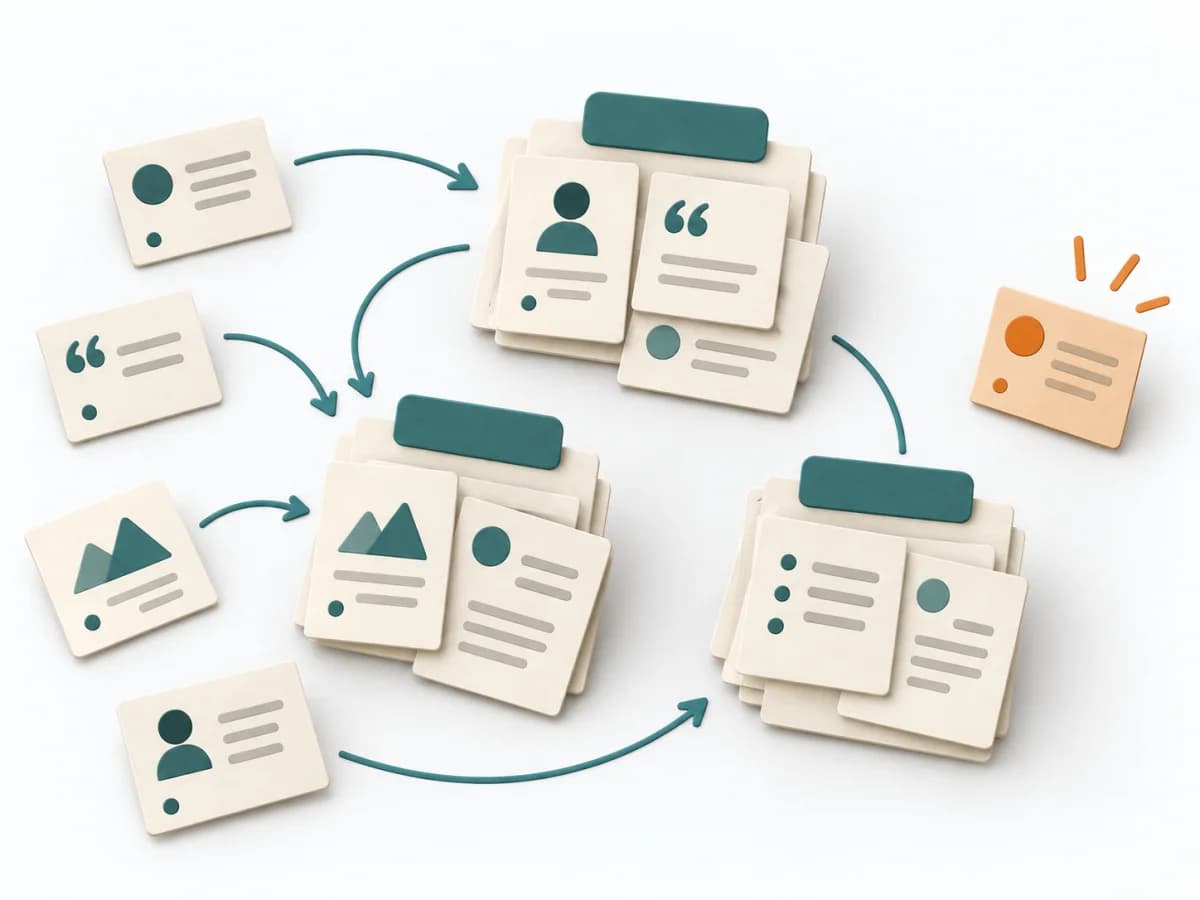 UX Research Affinity Diagramming | 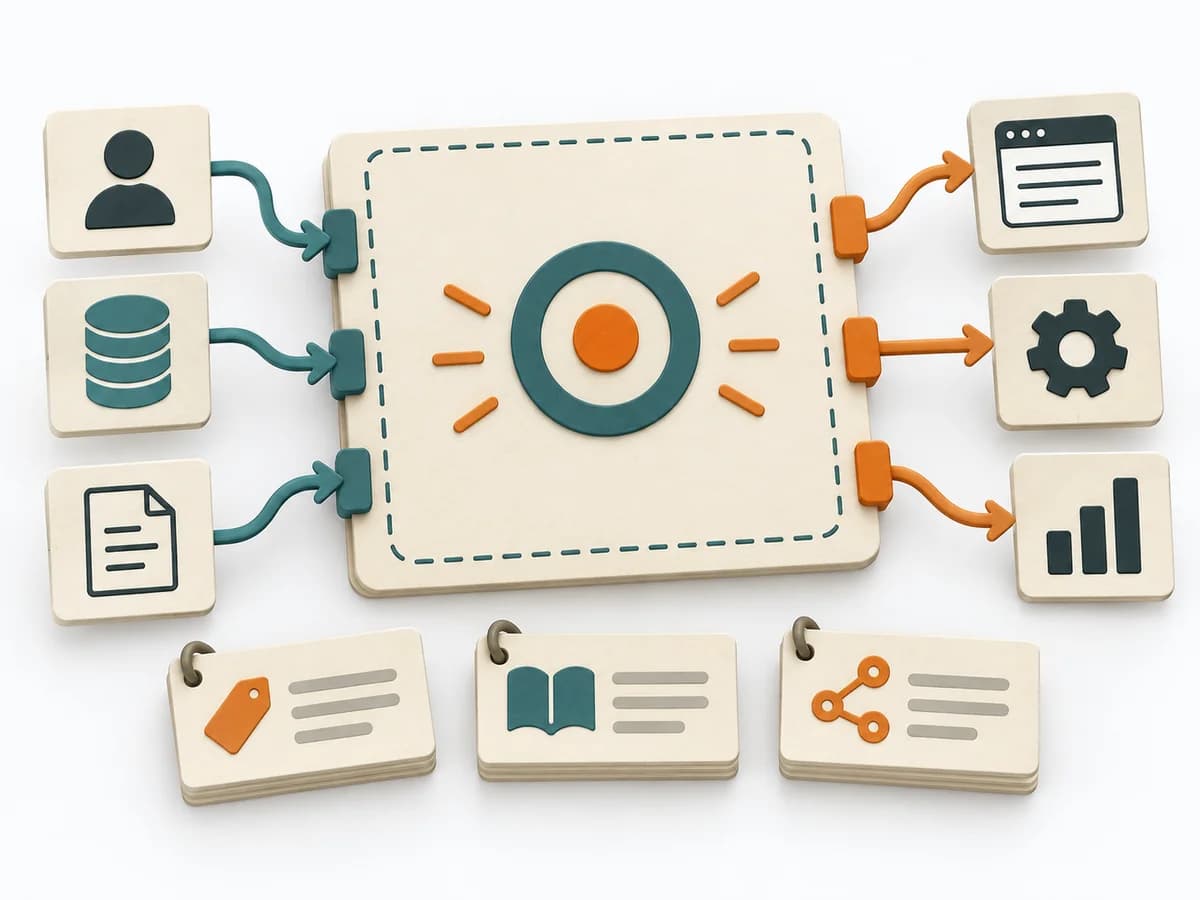 Domain Modeling Bounded Context Canvas | 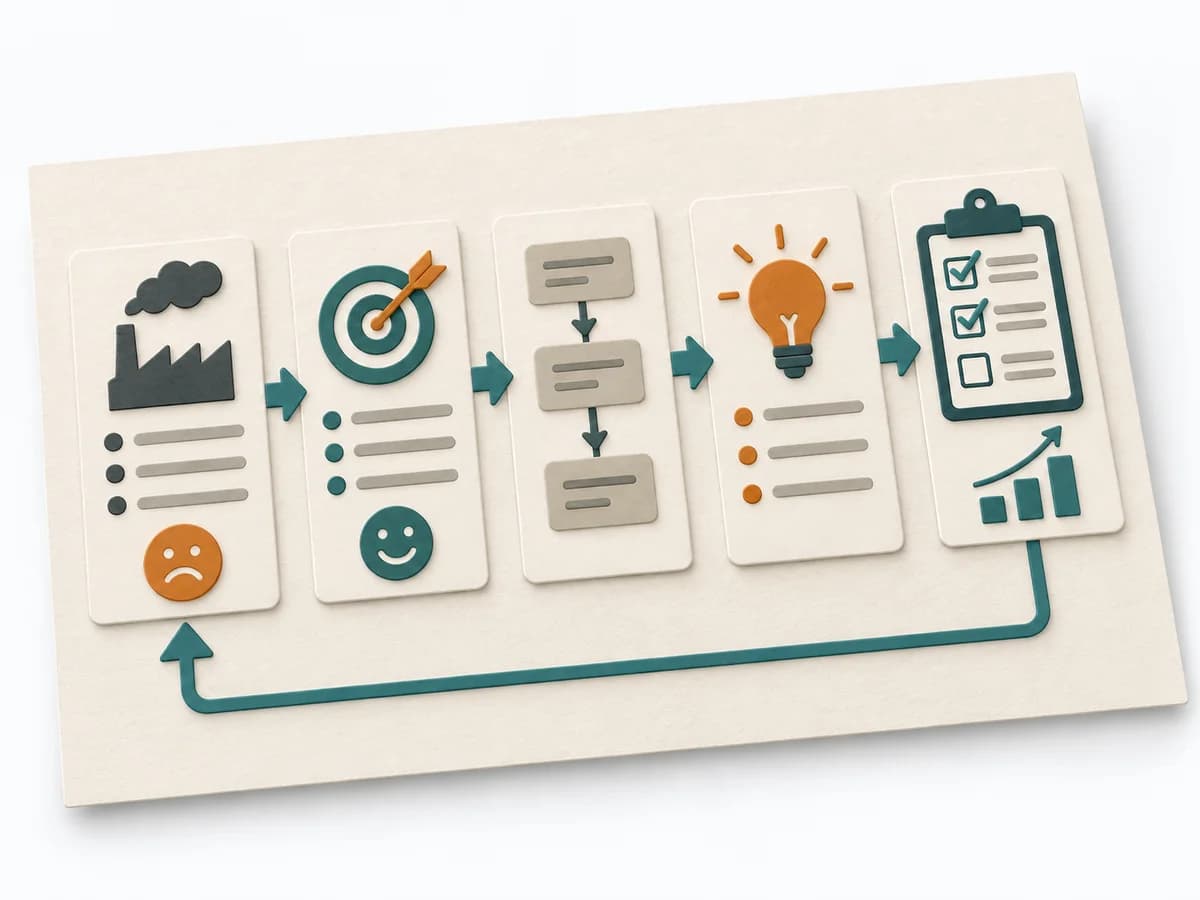 Operations A3 Problem Solving |
|---|---|---|---|
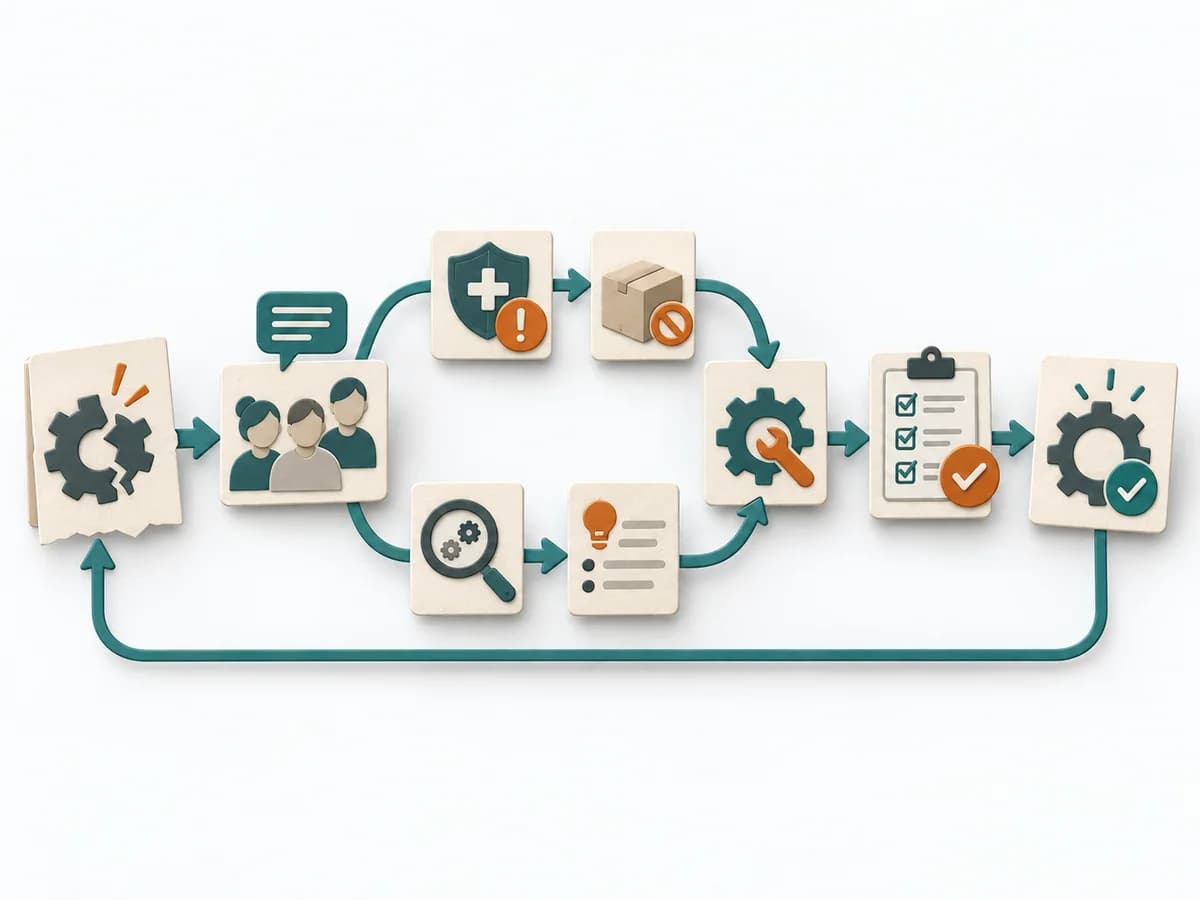
Purposedifferent | When research notes, feedback, or observations sit unconnected side by side, affinity diagramming sorts the raw material into solid themes. Many individual points turn into patterns that make decisions and opportunities clearer. | When a business context is still loosely outlined, it shapes language, responsibility, and integration space. It clarifies what belongs together and where a boundary needs to hold. | For a complex deviation with several people involved, the method bundles problem, analysis, and decision onto one page. It creates a shared working space where causes, countermeasures, and follow-up fit together. |
Complexitydifferent | Low | Medium | Medium |
Timedifferent | 45–90 min | 1-3 h | 45-90 min |
Participantsdifferent | 3-10 | 3-8 | 2-5 |
Formatdifferent | Workshop | Workshop + async | Workshop + async |
Outputdifferent | Theme clusters, Insight statements, Opportunity areas | Context Canvas, Glossary, Integration Notes | A3 Report, Action Plan, Root Cause Analysis |
Tagsno overlap | SynthesisQualitativeRoot cause | Domain-Driven DesignBoundariesModeling | LeanProblem solvingCoachingOperations |
Often compared together
Methods with strong topical overlap with the current selection, not yet in the comparison.