View methods side by side.
Choose up to four methods. Add them using the search and share the comparison by copying its link.
| Criterion |  Agile 4Ls Retrospective |  Systems Thinking Behavior Over Time Graph | 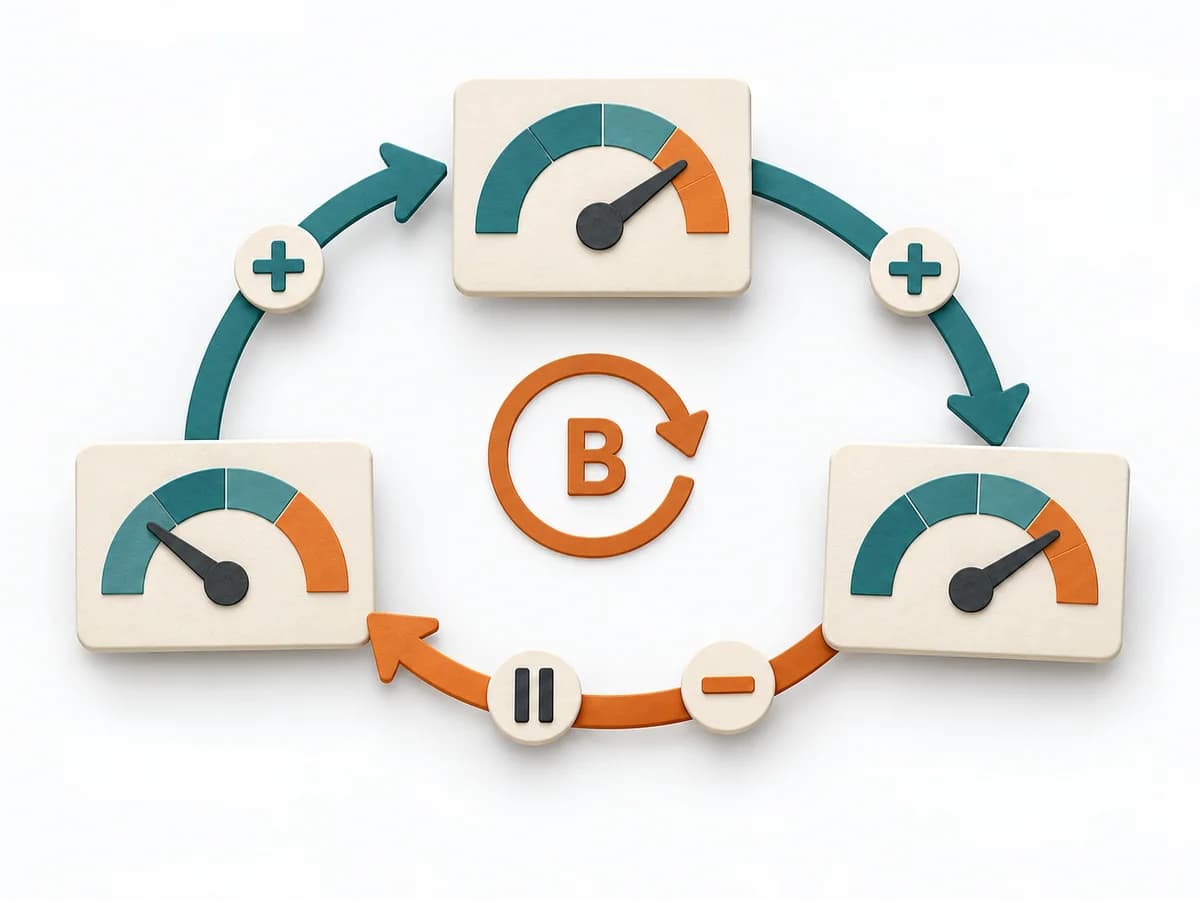 Systems Thinking Causal Loop Diagram |
|---|---|---|---|
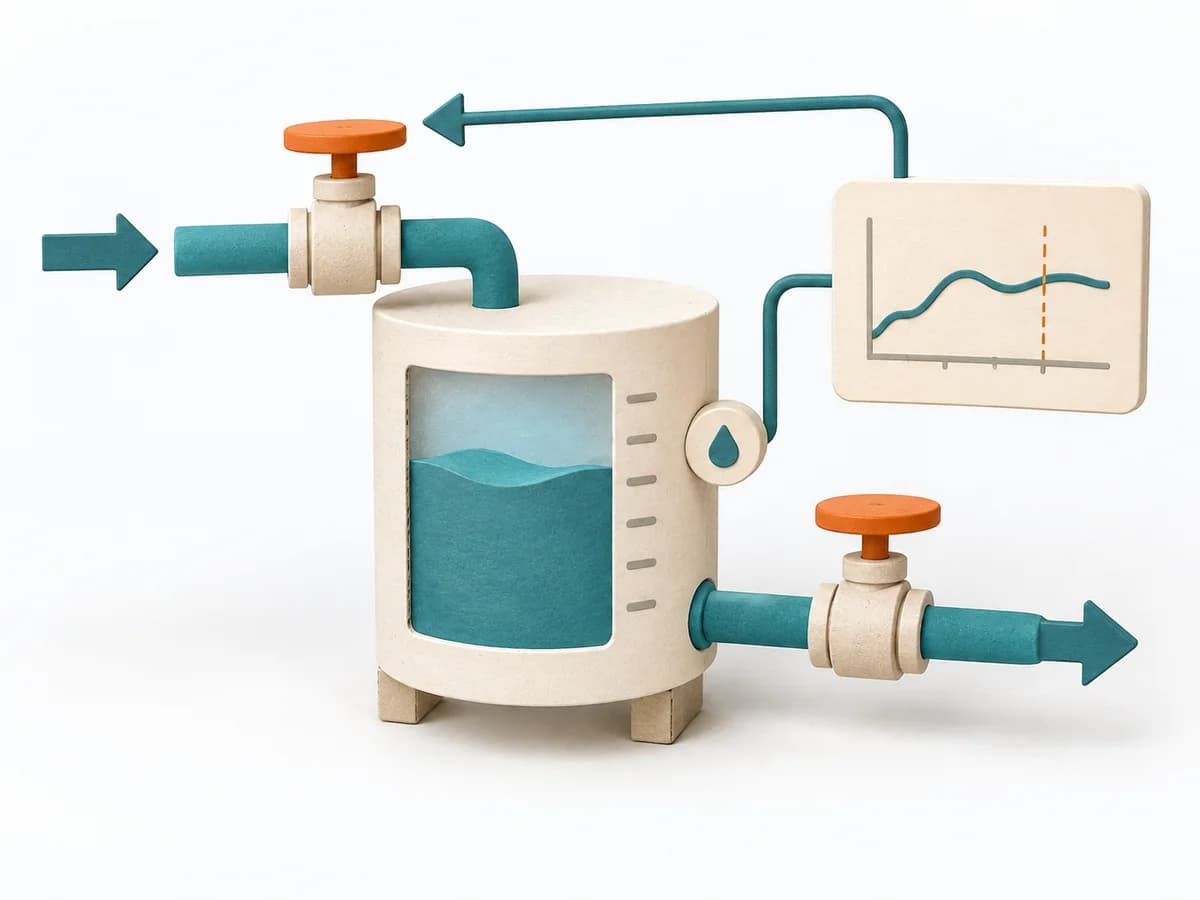
Purposedifferent | When a sprint should not only be assessed but also learned from, it captures experience in clear learning categories. It records what worked, what's missing, and what should run differently next time. | A Behavior Over Time Graph shows how a metric or observation develops over time. The method makes trends, breaks, and recurring patterns visible that get lost in snapshots. | A Causal Loop Diagram makes feedback, reinforcement, and balance in a system legible. It uncovers side effects and self-reinforcement that stay hidden in linear explanations. |
Complexitydifferent | Low | Low | Medium |
Timedifferent | 45–75 min | 20-45 min | 1-3 h |
Participantsdifferent | Team members involved | 1-10 | 2-8 |
Formatdifferent | Workshop | Workshop + async | Workshop |
Outputdifferent | 4Ls Board, Learning Themes, Improvement Actions | Behavior Over Time Graph, Trend Hypotheses, Key Events | Causal Loop Diagram, Feedback Notes, Leverage Points |
Tagsno overlap | RetrospectiveLearningReflectionTeam | Systems thinkingPatternsDynamics | FeedbackSystems thinkingCausalityDynamics |
Often compared together
Methods with strong topical overlap with the current selection, not yet in the comparison.