View methods side by side.
Choose up to four methods. Add them using the search and share the comparison by copying its link.
| Criterion | 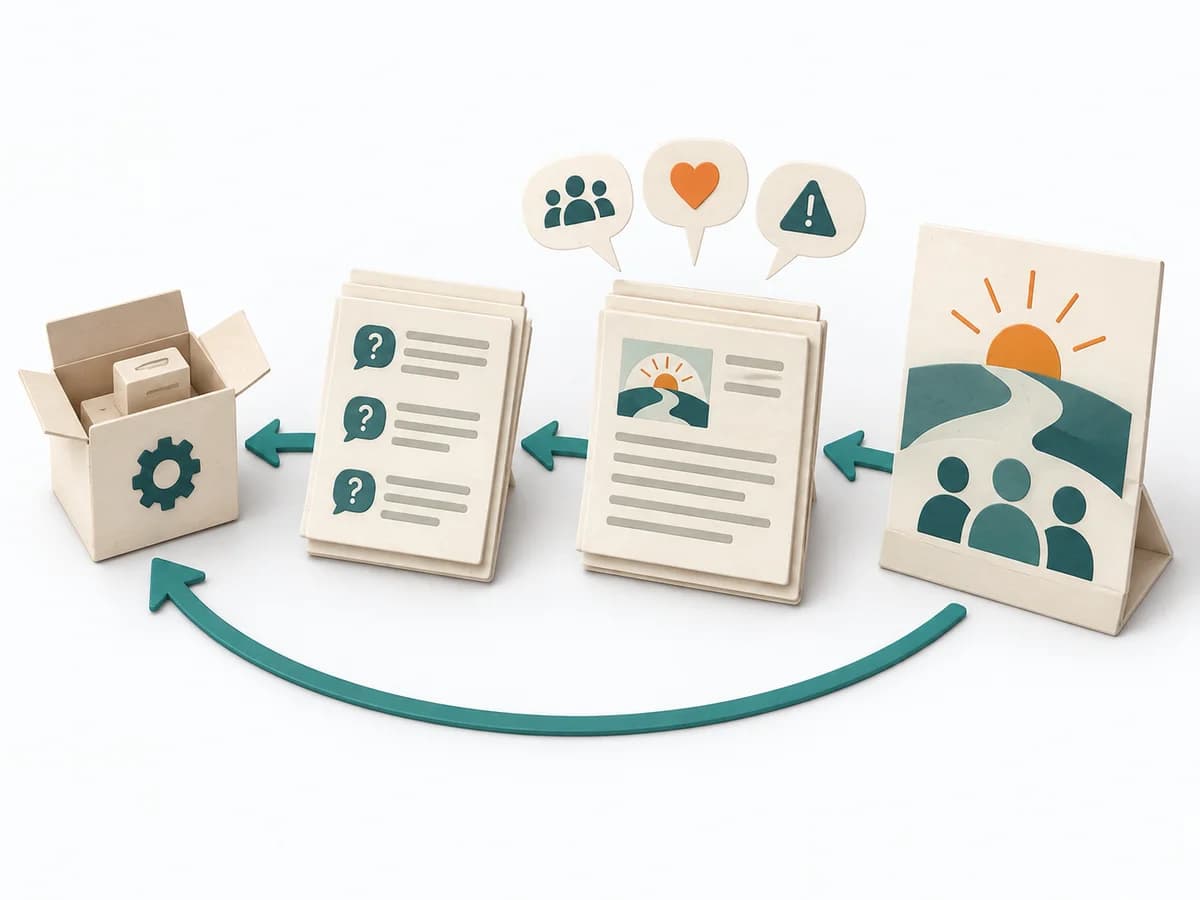 Product Discovery Working Backwards |  Facilitation Stakeholder Salience Model |  Facilitation Consensus Workshop | 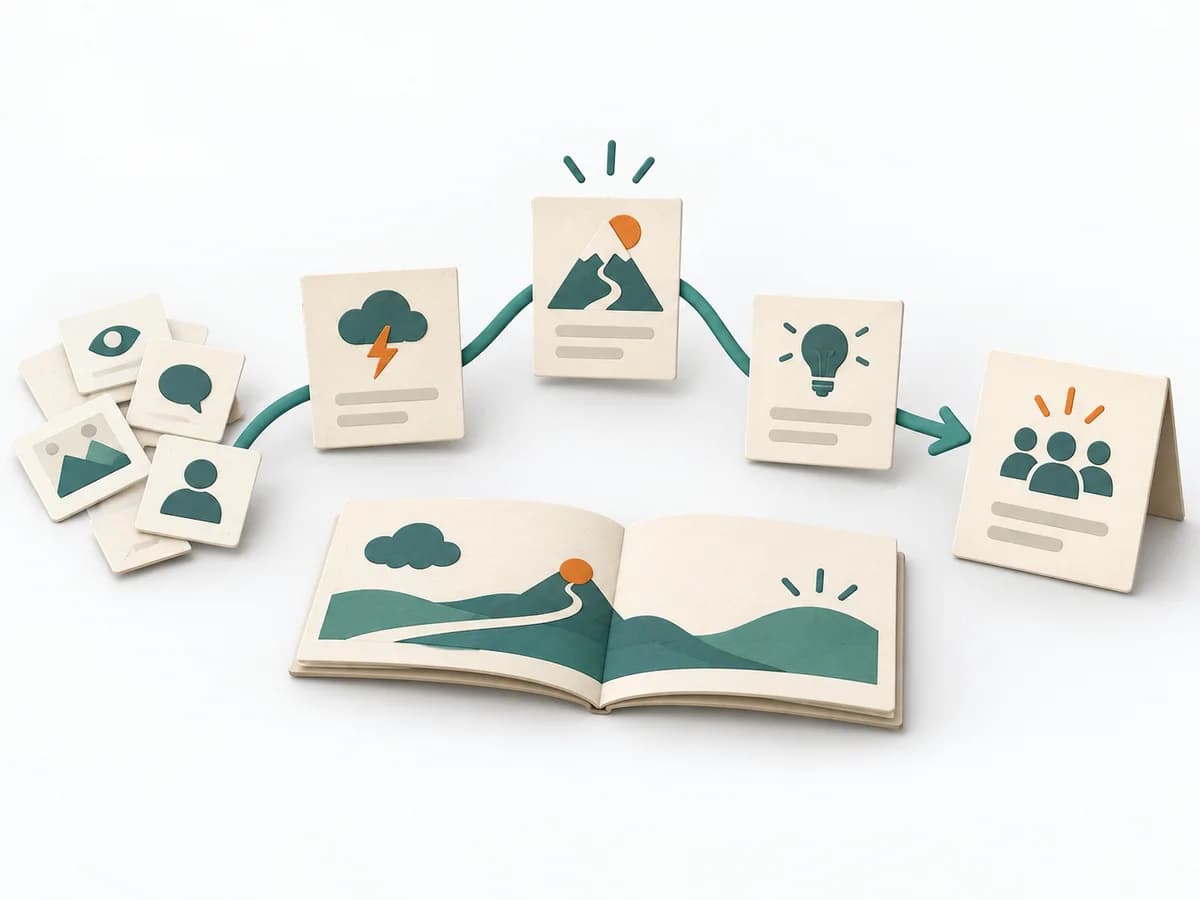 Facilitation Storytelling |
|---|---|---|---|---|
Purposedifferent | When the target state and benefit need to be clear first, it thinks backward from the desired outcome into the product logic. It sharpens vision, objections, and value proposition before elaboration. | When stakeholders appear to matter very differently, the Stakeholder Salience Model rates their actual priority through power, legitimacy, and urgency. It turns individual contributions into a visible selection. The result is captured as a Salience diagram and a class-based strategy. | When a group needs a solid decision without outvoting individual factions, a Consensus Workshop creates a negotiable common ground. It makes agreement, reservations, and open tensions discussable at the same time. | When an insight needs to have an effect, storytelling translates dry facts into a comprehensible development. It combines context, tension, and consequence into a form that people remember and pass on more easily. |
Complexitysame | Medium | Medium | Medium | Medium |
Timedifferent | 4-8 h, mehrere Iterationen | 60-90 min | 1-3 h | 45-120 min |
Participantsdifferent | 2-6 | 3-6 | 5-30 | 1-6 |
Formatdifferent | Workshop + async | Workshop | Workshop | Workshop + async |
Outputdifferent | Future Press Release, FAQ, Vision Statement | Salience Diagram, Strategy per Class | Consensus Clusters, Theme Titles, Priority Areas | Narrative Outline, Key Message, Story Arc |
Tagsno overlap | VisionNarrativeAlignment | StakeholdersFacilitationAlignmentGovernance | FacilitationConsensusWorkshopAlignment | CommunicationNarrativeStakeholdersFacilitation |