View methods side by side.
Choose up to four methods. Add them using the search and share the comparison by copying its link.
| Criterion | 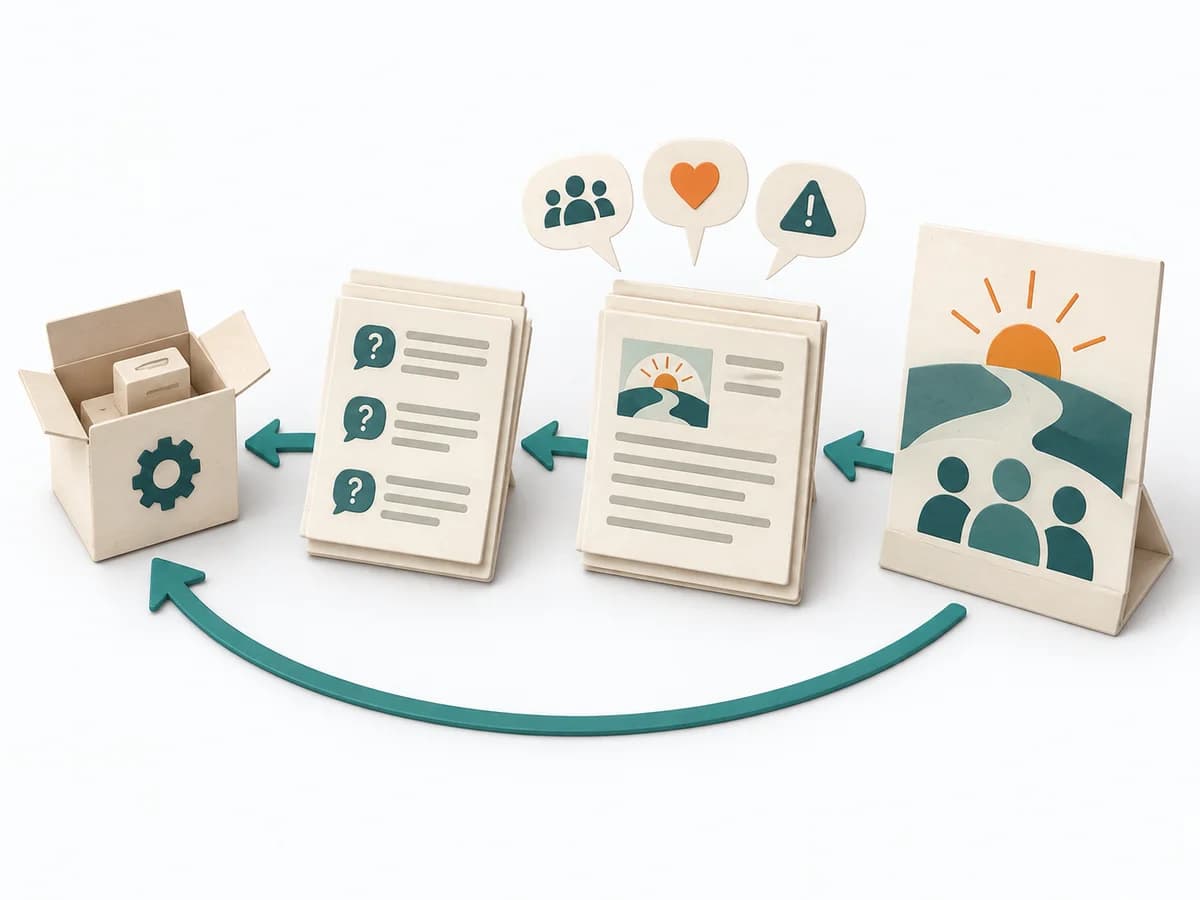 Product Discovery Working Backwards | 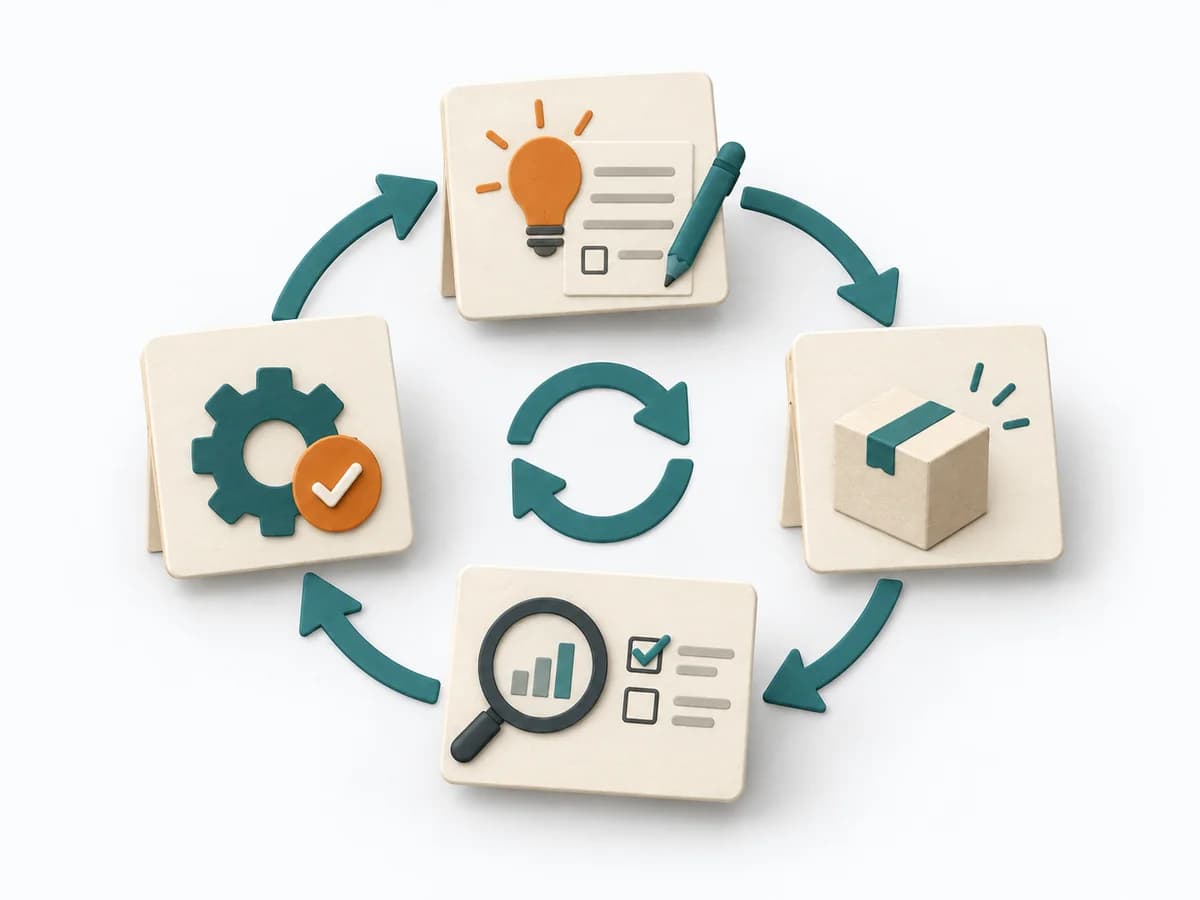 Operations PDCA Cycle |  Facilitation Stakeholder Salience Model |  Facilitation Stakeholder Mapping |
|---|---|---|---|---|
Purposedifferent | When the target state and benefit need to be clear first, it thinks backward from the desired outcome into the product logic. It sharpens vision, objections, and value proposition before elaboration. | For an improvement that still has to prove itself in everyday work, the method runs it through small learning loops. It connects planning, checking, and standardization into a repeatable learning mode. | When stakeholders appear to matter very differently, the Stakeholder Salience Model rates their actual priority through power, legitimacy, and urgency. It turns individual contributions into a visible selection. The result is captured as a Salience diagram and a class-based strategy. | When an initiative depends on many people, interests, and power dynamics, Stakeholder Mapping systematically orders the environment. It shows who influences, who is affected, and where relationship management or safeguarding matters first. |
Complexitydifferent | Medium | Low | Medium | Low |
Timedifferent | 4-8 h, mehrere Iterationen | 1 h bis mehrere Wochen | 60-90 min | 60–90 min |
Participantsdifferent | 2-6 | 1-8 | 3-6 | 2-8 |
Formatdifferent | Workshop + async | Workshop + async | Workshop | Workshop + async |
Outputdifferent | Future Press Release, FAQ, Vision Statement | PDCA Log, Experiment Plan, Learning Outcome, Standard Change | Salience Diagram, Strategy per Class | Stakeholder Map, Engagement Plan, Risk Notes |
Tagsno overlap | VisionNarrativeAlignment | Continuous improvementLeanExperiments | StakeholdersFacilitationAlignmentGovernance | StakeholdersAlignmentFacilitationChange |