View methods side by side.
Choose up to four methods. Add them using the search and share the comparison by copying its link.
| Criterion | 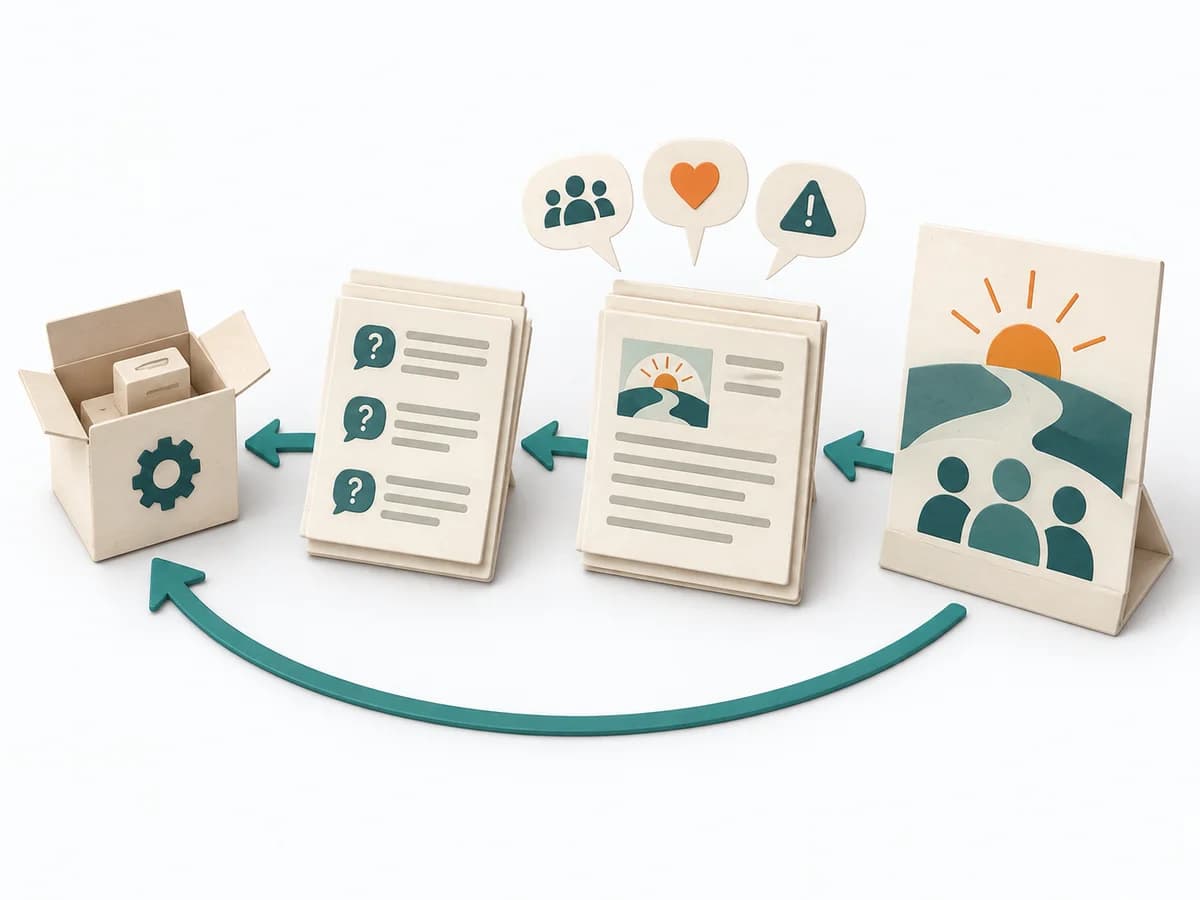 Product Discovery Working Backwards | 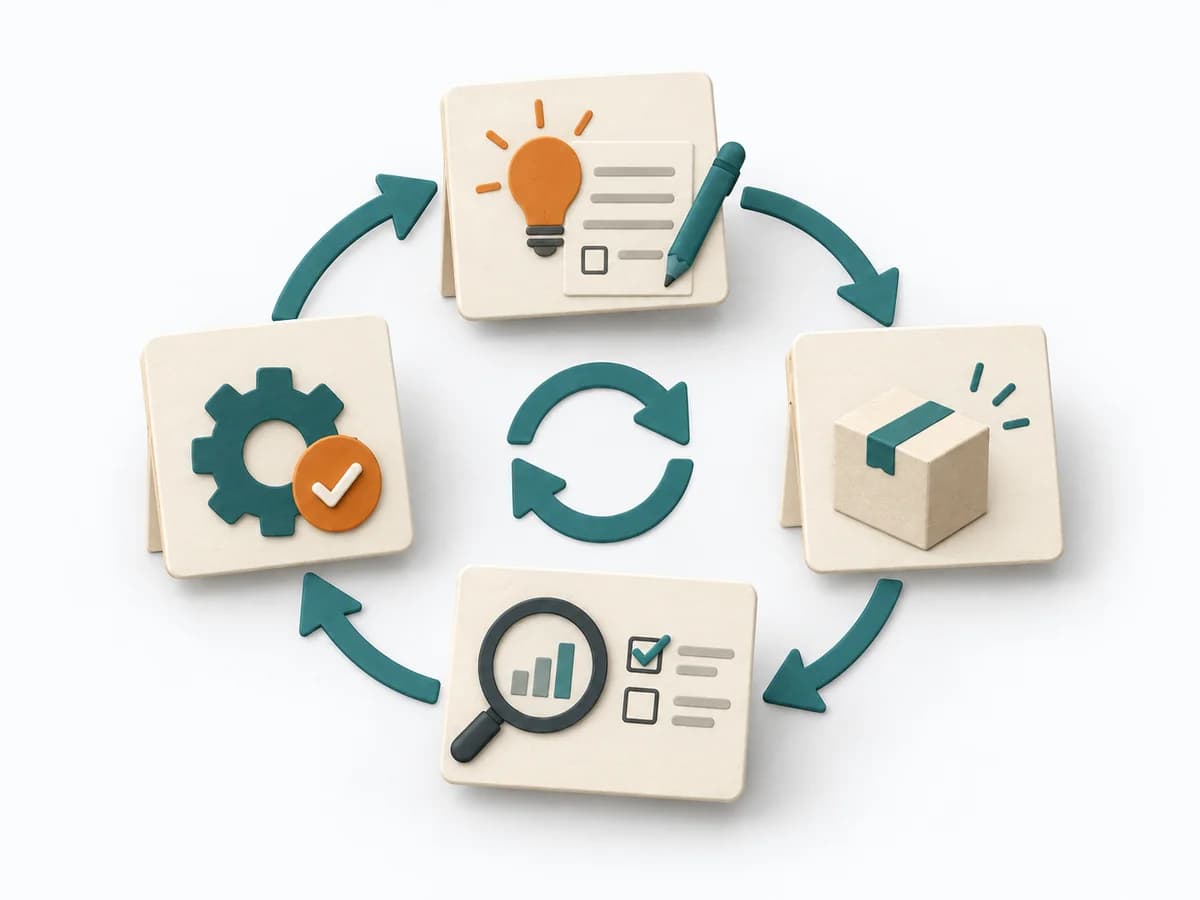 Operations PDCA Cycle |  Operations Causal Factor Analysis |  Operations 5 Whys |
|---|---|---|---|---|
Purposedifferent | When the target state and benefit need to be clear first, it thinks backward from the desired outcome into the product logic. It sharpens vision, objections, and value proposition before elaboration. | For an improvement that still has to prove itself in everyday work, the method runs it through small learning loops. It connects planning, checking, and standardization into a repeatable learning mode. | For an event with a complicated course, the method breaks down the contributing factors along the timeline. It shows how conditions, decisions, and reactions together produce a course of events. | For a single, hard-to-explain deviation, the method exposes the causal chain behind the visible symptom. It keeps the cause open until a controllable condition emerges instead of a mere description. |
Complexitydifferent | Medium | Low | High | Low |
Timedifferent | 4-8 h, mehrere Iterationen | 1 h bis mehrere Wochen | 2-6 h | 15-30 min |
Participantsdifferent | 2-6 | 1-8 | 3-10 | 2-6 |
Formatdifferent | Workshop + async | Workshop + async | Workshop + async | Workshop |
Outputdifferent | Future Press Release, FAQ, Vision Statement | PDCA Log, Experiment Plan, Learning Outcome, Standard Change | Event Timeline, Causal Factor Chart, Cause List, Corrective Actions | Root cause notes, Countermeasures |
Tagsno overlap | VisionNarrativeAlignment | Continuous improvementLeanExperiments | CausalityIncidentRoot causeTimeline | Root causeIncidentLeanProblem solving |