View methods side by side.
Choose up to four methods. Add them using the search and share the comparison by copying its link.
| Criterion | 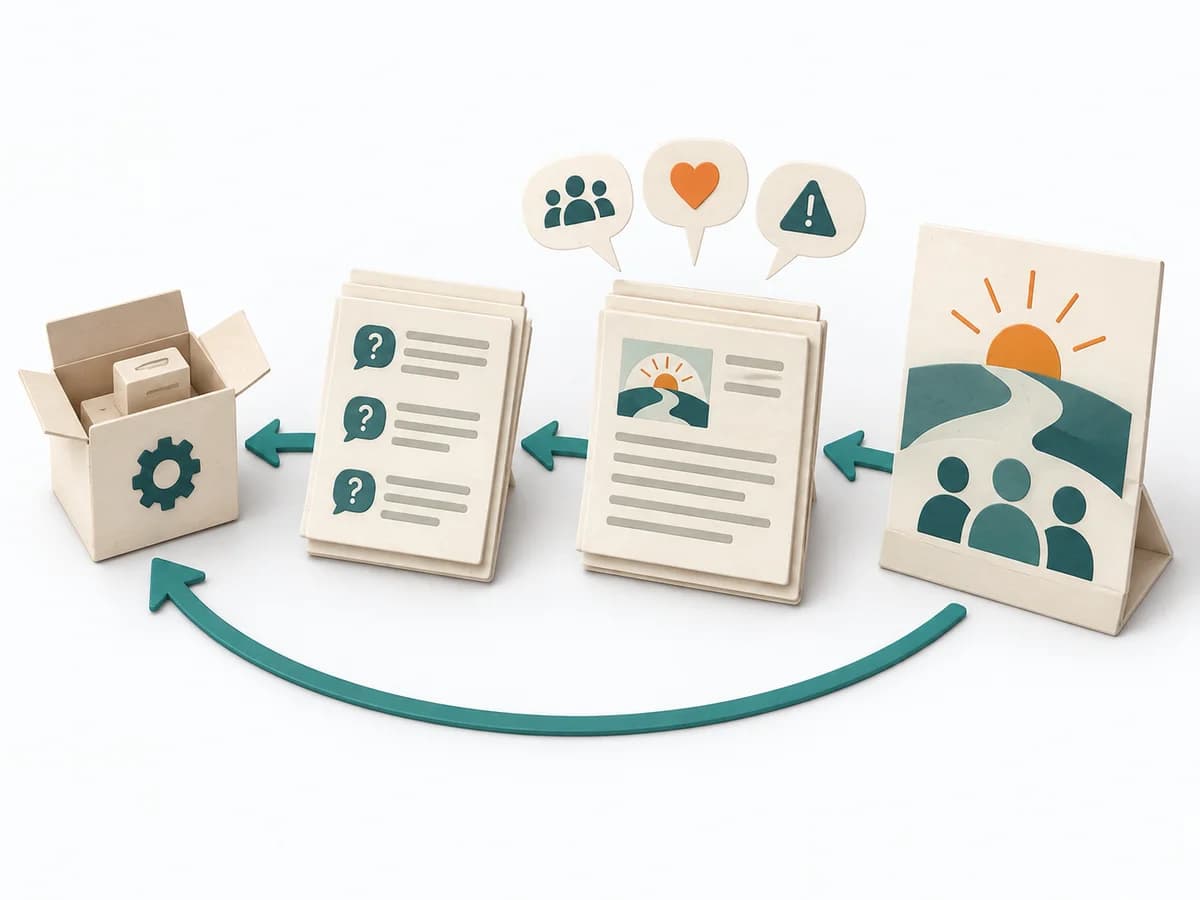 Product Discovery Working Backwards | 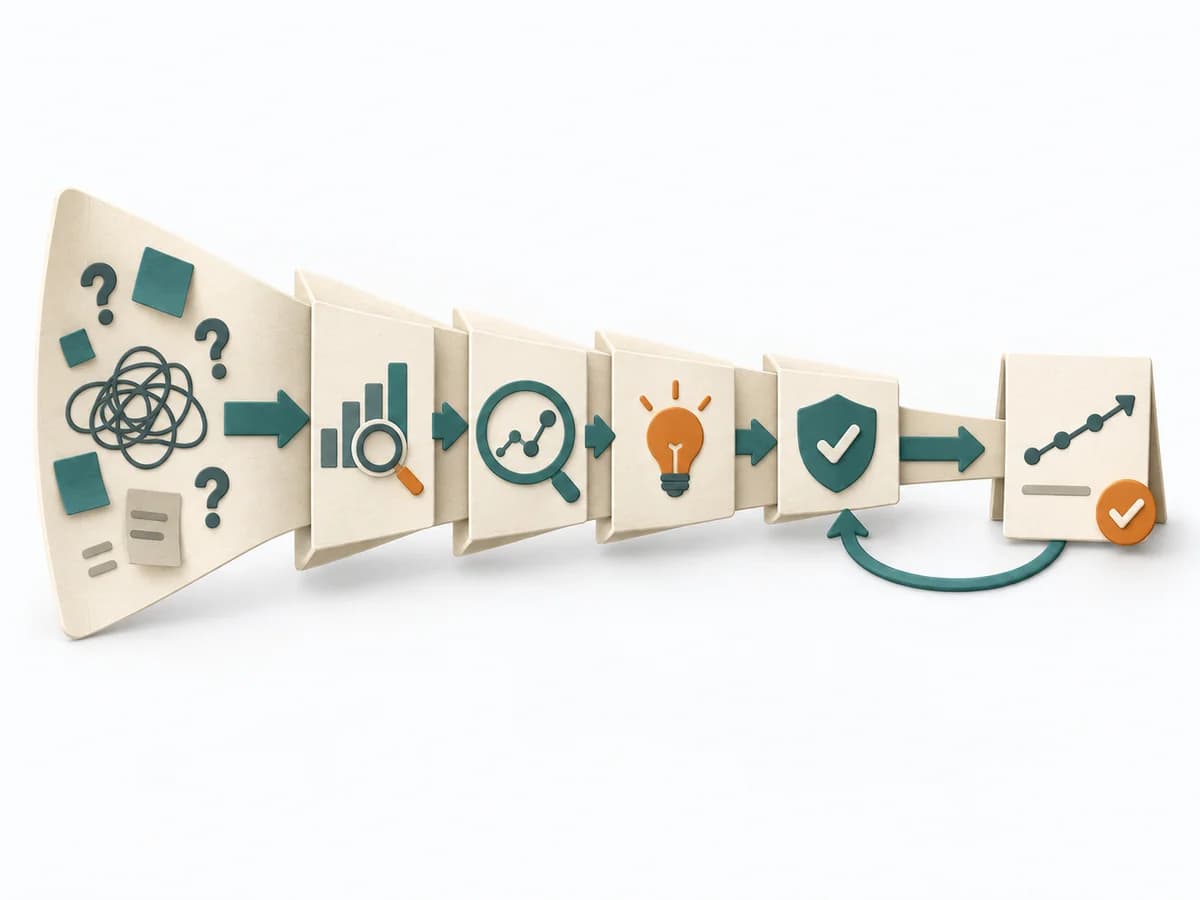 Operations DMAIC |  Operations Failure Mode and Effects Analysis |  Operations Fault Tree Analysis |
|---|---|---|---|---|
Purposedifferent | When the target state and benefit need to be clear first, it thinks backward from the desired outcome into the product logic. It sharpens vision, objections, and value proposition before elaboration. | For a process problem with fluctuating performance, the method brings analysis and improvement into a disciplined sequence. It creates a framework in which numbers, causes, and control come together. | For a process, product, or service with noticeable failure risks, the method assesses possible failure modes in advance. It directs attention to combinations of occurrence, effect, and detectability. | For a critical top event with several possible triggers, the method logically models failure paths. It makes visible which combinations of conditions can lead to damage. |
Complexitydifferent | Medium | High | High | High |
Timedifferent | 4-8 h, mehrere Iterationen | 2-12 Wochen | 2-6 h | 2-6 h |
Participantsdifferent | 2-6 | 3-10 | 3-10 | 3-8 |
Formatdifferent | Workshop + async | Workshop + async | Workshop | Workshop + async |
Outputdifferent | Future Press Release, FAQ, Vision Statement | Project Charter, Measurement Plan, Cause Analysis, Control Plan | FMEA Table, Risk Priority, Mitigation Actions | Fault Tree, Critical Paths, Cause Hypotheses, Control Actions |
Tagsno overlap | VisionNarrativeAlignment | Continuous improvementQualityProcess improvement | RiskQualityOperationsRoot cause | RiskRoot causeSafety |