View methods side by side.
Choose up to four methods. Add them using the search and share the comparison by copying its link.
| Criterion | 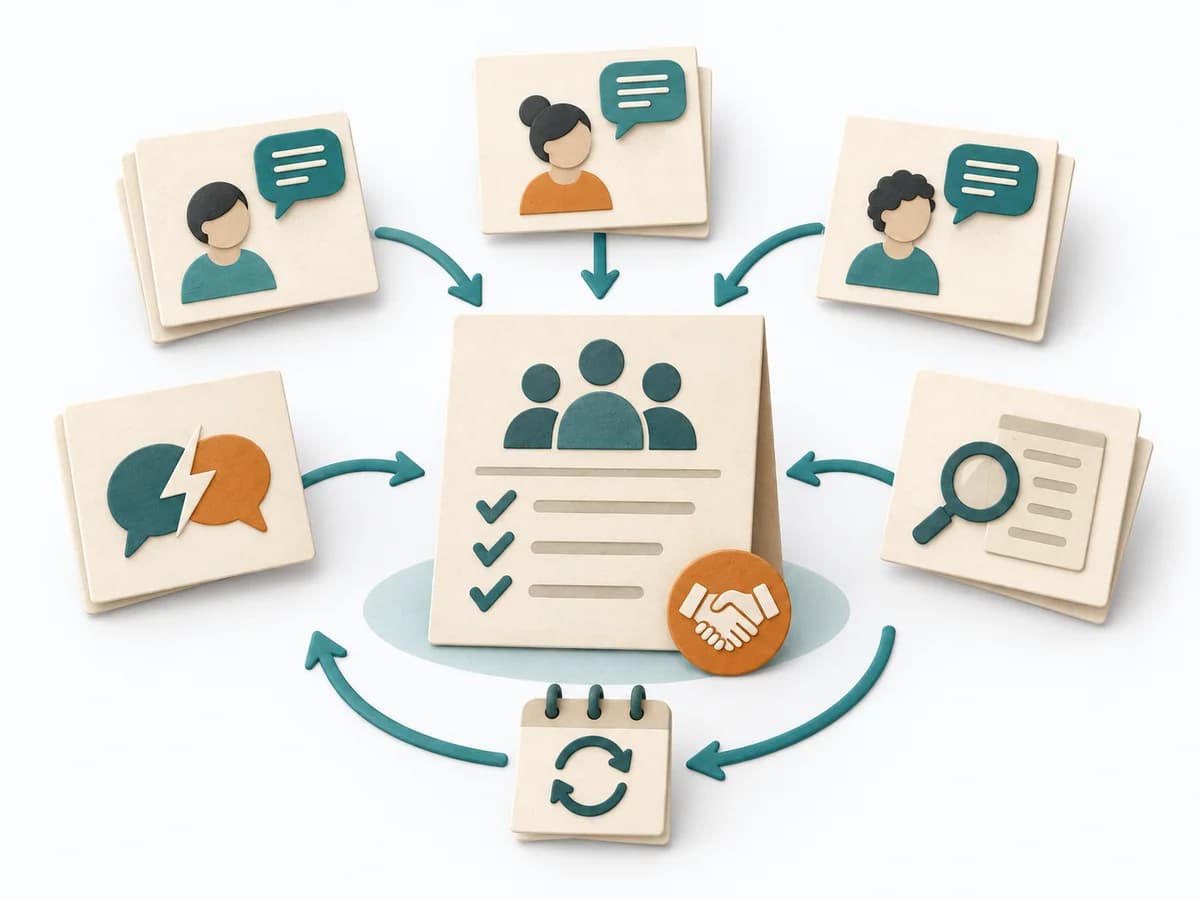 Agile Working Agreements | 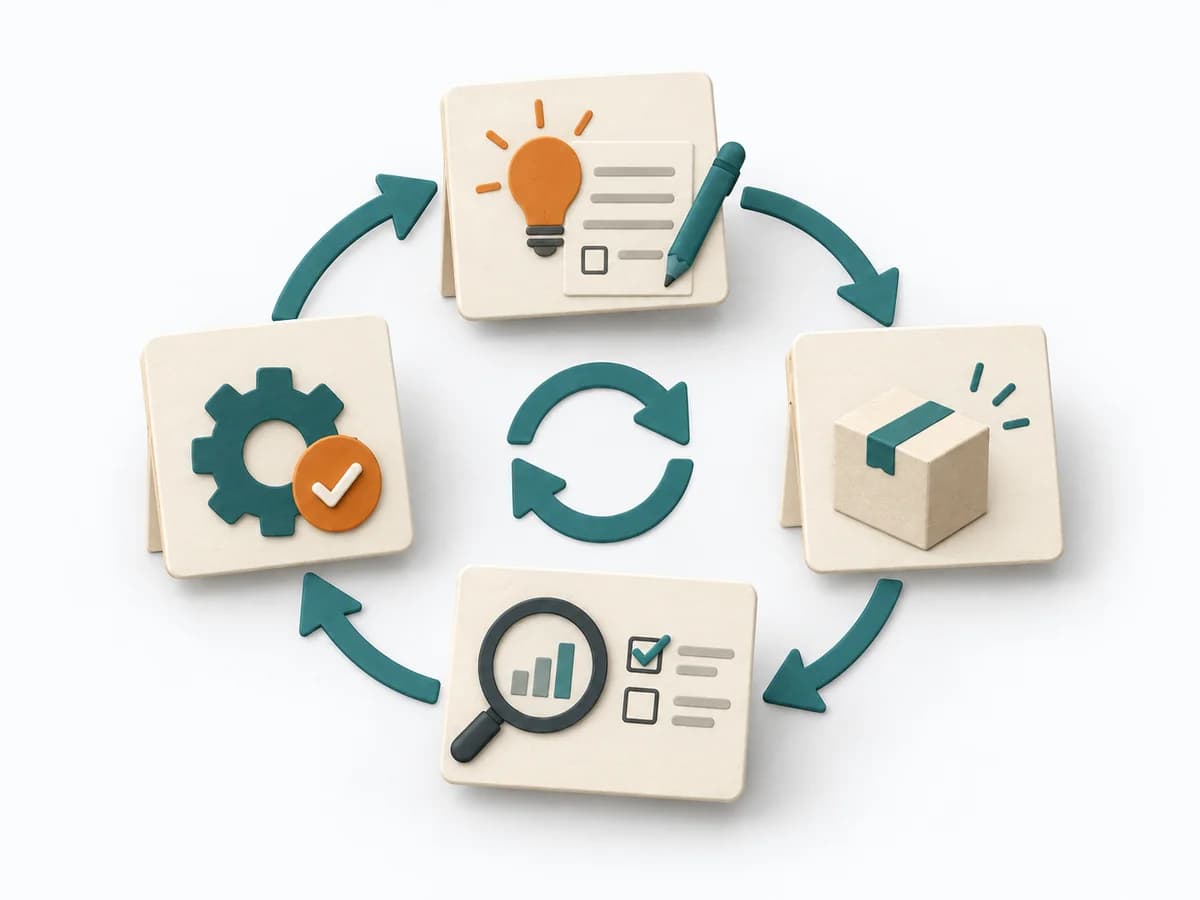 Operations PDCA Cycle | 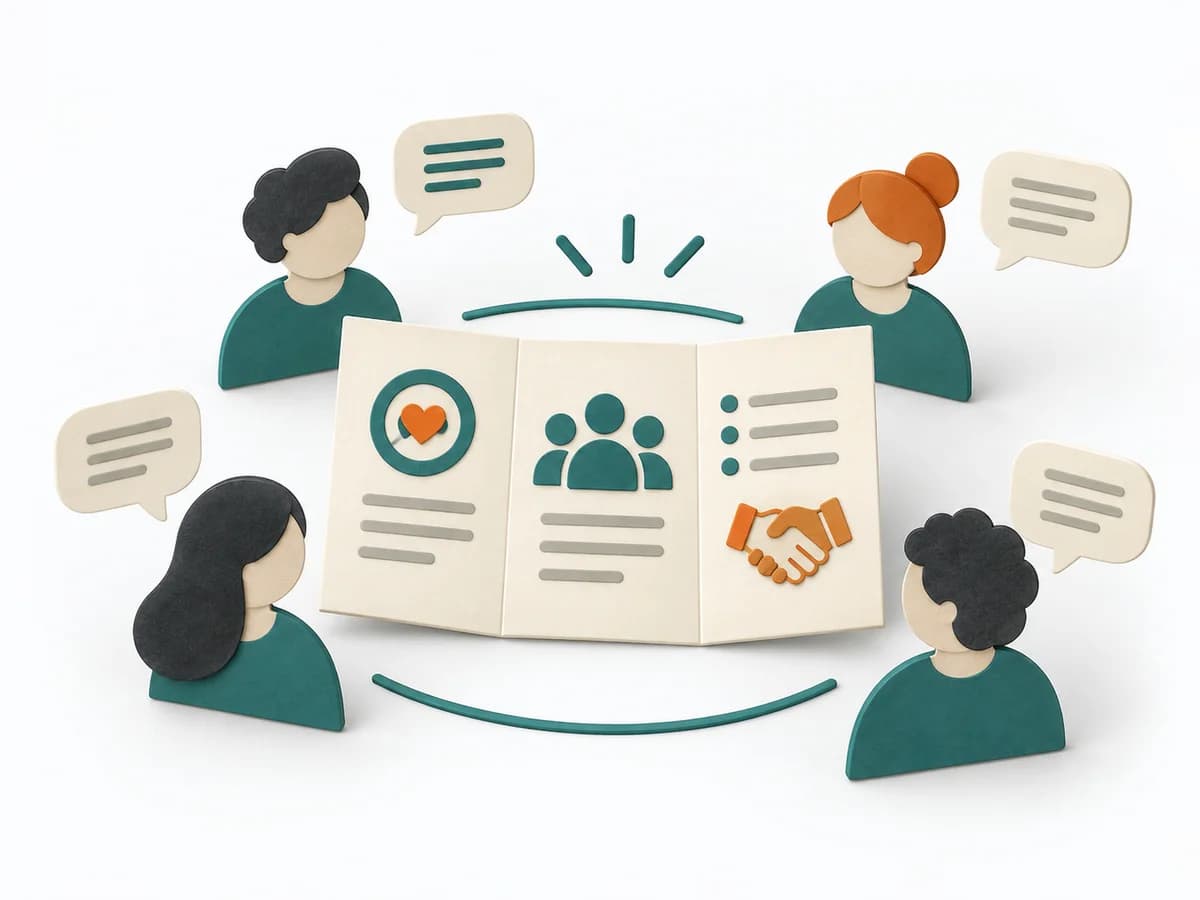 Facilitation Team Charter | 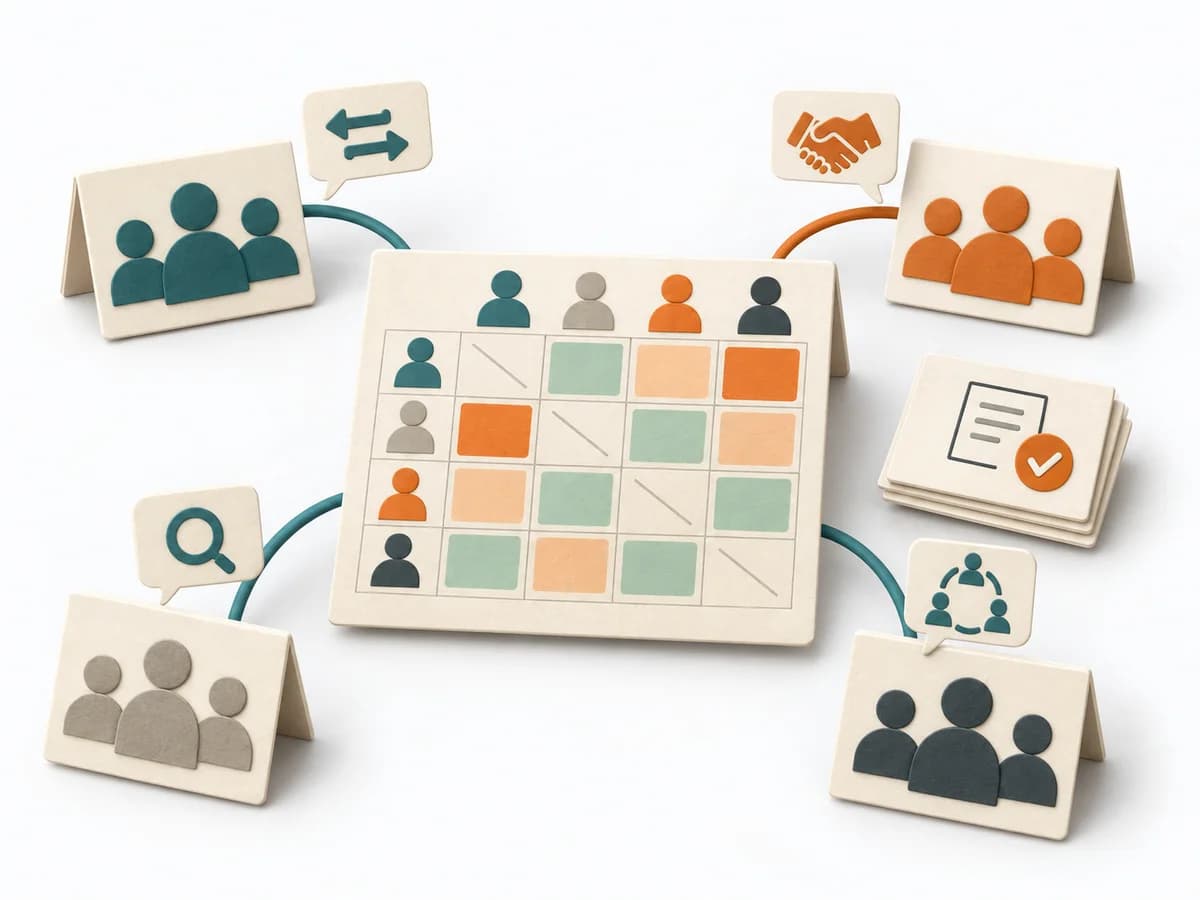 Team Design Team Topologies Interaction Modes |
|---|---|---|---|---|
Purposedifferent | When collaboration needs more than implicit expectations, it lays out shared ground rules openly. It creates reliability for conduct, availability, and decision paths. | For an improvement that still has to prove itself in everyday work, the method runs it through small learning loops. It connects planning, checking, and standardization into a repeatable learning mode. | When a team is starting fresh or working past each other, Team Charter clarifies the shared working basis. It visibly sets out how collaboration, decision paths, and mutual conduct should work day to day. | When several teams collaborate repeatedly, it describes the right interaction mode for each interface between them. It clarifies responsibility, interaction, and load between teams. The result is captured as an interaction heat map and pairwise agreements. |
Complexitydifferent | Low | Low | Medium | Medium |
Timedifferent | 45-90 min | 1 h bis mehrere Wochen | 2-4 h | Half day |
Participantsdifferent | 3-12 | 1-8 | 3-12 | Team-Leads plus Architecture |
Formatdifferent | Workshop | Workshop + async | Workshop | Workshop |
Outputdifferent | Working Agreements, Team Norms, Review Cadence | PDCA Log, Experiment Plan, Learning Outcome, Standard Change | Team Charter, Working Norms, Role Notes | Interaction Heat Map, Agreements per Pair |
Tagsno overlap | TeamCollaborationAgile | Continuous improvementLeanExperiments | TeamAlignmentCollaboration | TeamAlignmentCollaborationOrganization |