View methods side by side.
Choose up to four methods. Add them using the search and share the comparison by copying its link.
| Criterion | 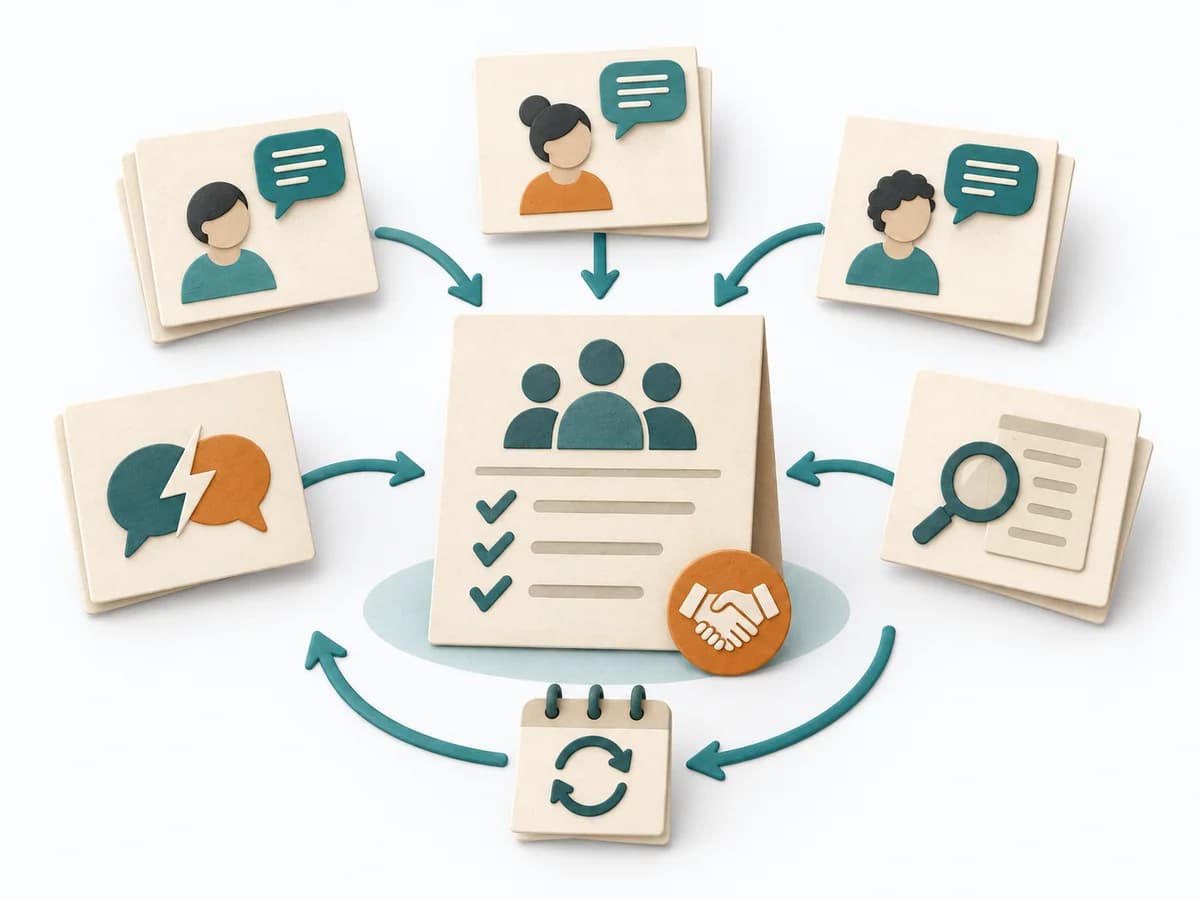 Agile Working Agreements |  Facilitation Expectation Mapping | 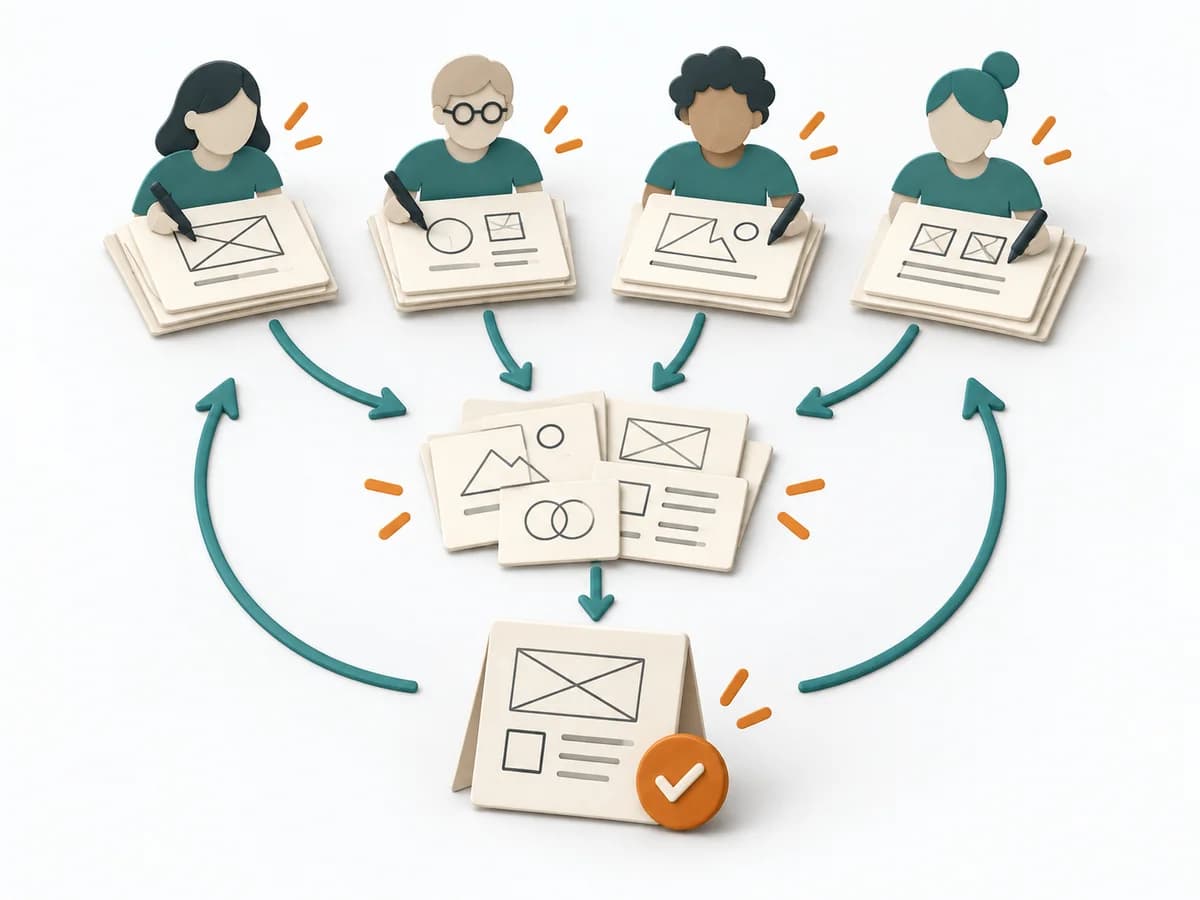 Innovation Design Charrette | 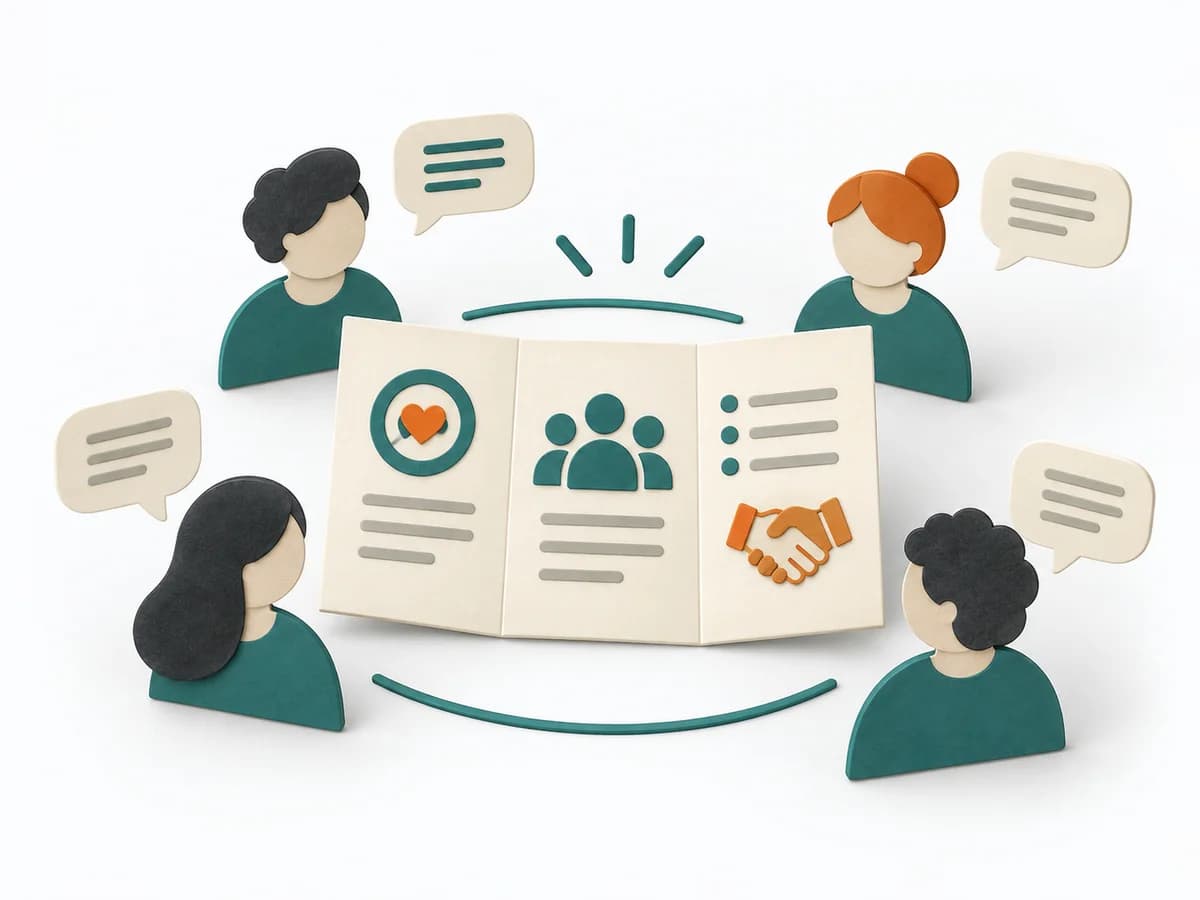 Facilitation Team Charter |
|---|---|---|---|---|
Purposedifferent | When collaboration needs more than implicit expectations, it lays out shared ground rules openly. It creates reliability for conduct, availability, and decision paths. | When roles, interfaces, or projects fail because of differing expectations, Expectation Mapping surfaces these differences. It shows what each side takes for granted and where the pictures diverge. | In a tightly timed design process with many participants, the method pools several lines of thinking in a short time. It brings parallel design energy without letting the discussion tip into endless coordination. This quickly produces solid directions for architecture or space. | When a team is starting fresh or working past each other, Team Charter clarifies the shared working basis. It visibly sets out how collaboration, decision paths, and mutual conduct should work day to day. |
Complexitydifferent | Low | Low | Medium | Medium |
Timedifferent | 45-90 min | 45-90 min | Halber Tag bis mehrere Tage | 2-4 h |
Participantsdifferent | 3-12 | 3-12 | 10-50 | 3-12 |
Formatsame | Workshop | Workshop | Workshop | Workshop |
Outputdifferent | Working Agreements, Team Norms, Review Cadence | Expectation Map, Alignment Notes, Agreements | Sketches and Concepts, Consolidated Solution Sketch, Prioritized Direction | Team Charter, Working Norms, Role Notes |
Tagsno overlap | TeamCollaborationAgile | AlignmentStakeholdersTeam | BrainstormingWorkshopCollaborationIdeation | TeamAlignmentCollaboration |