View methods side by side.
Choose up to four methods. Add them using the search and share the comparison by copying its link.
| Criterion | 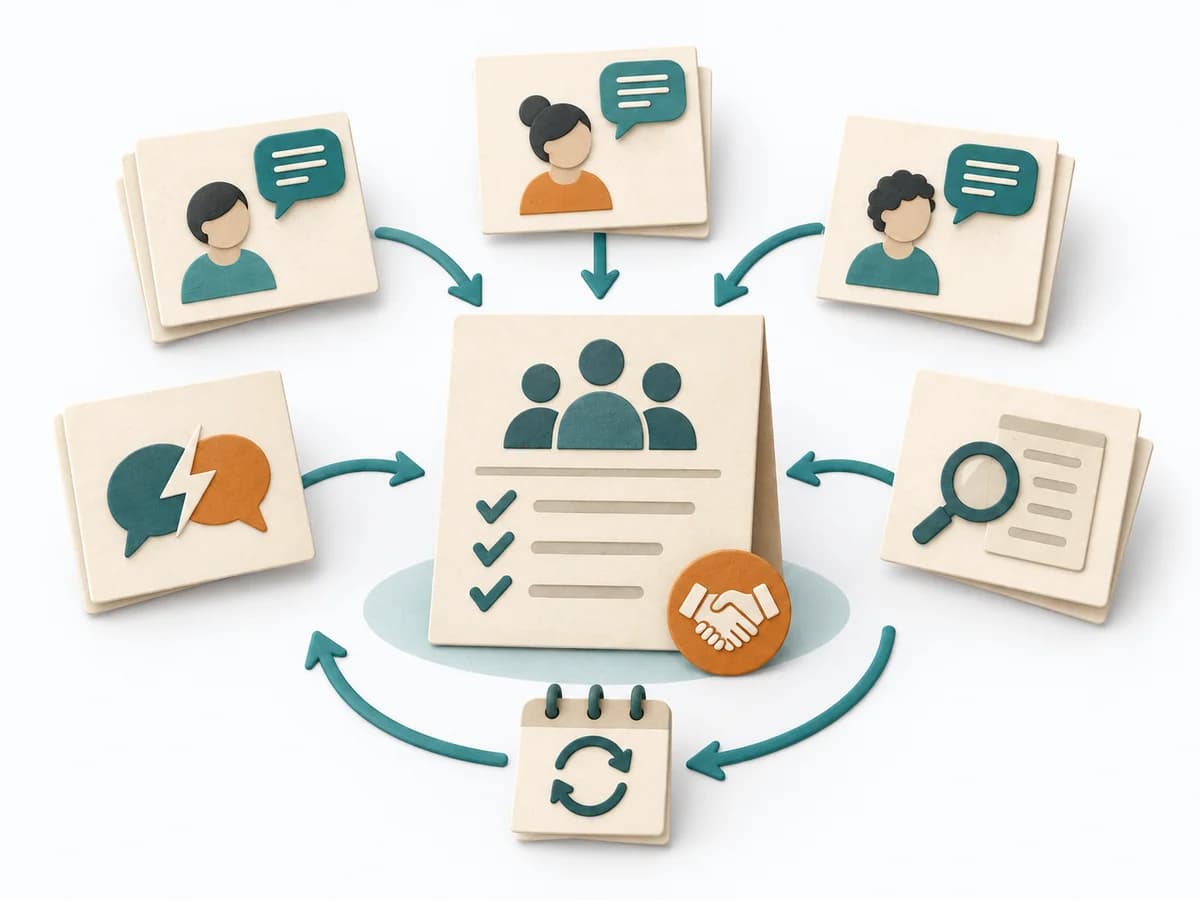 Agile Working Agreements | 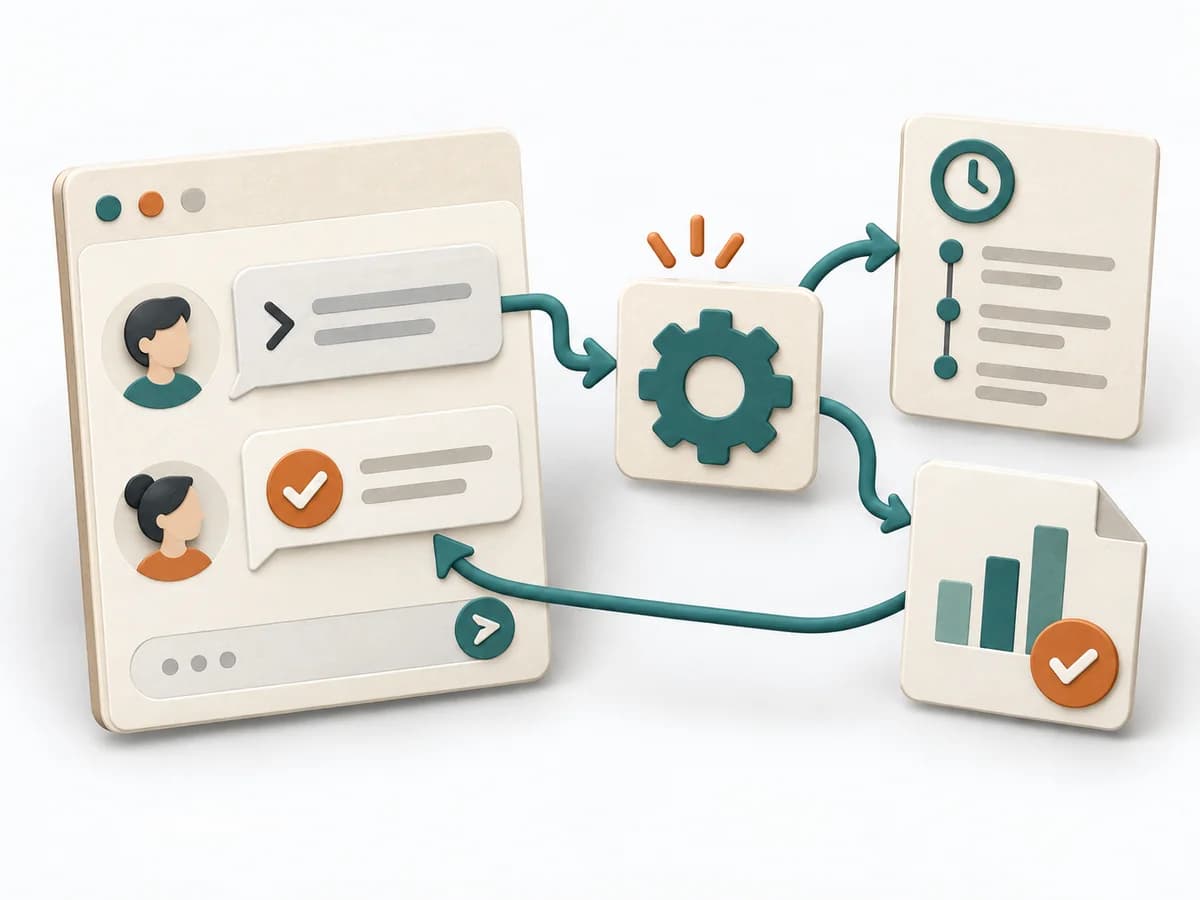 DevOps ChatOps |  Facilitation Alignment Mapping |  Facilitation Stakeholder Mapping |
|---|---|---|---|---|
Purposedifferent | When collaboration needs more than implicit expectations, it lays out shared ground rules openly. It creates reliability for conduct, availability, and decision paths. | For operational work in a distributed team, the method links communication with direct system control. It records decisions right where the signal, the context, and the execution come together. | When several people work toward one goal but hold different mental maps, Alignment Mapping makes the discrepancies visible. It arranges goals, assumptions, and priorities so shared direction becomes verifiable. | When an initiative depends on many people, interests, and power dynamics, Stakeholder Mapping systematically orders the environment. It shows who influences, who is affected, and where relationship management or safeguarding matters first. |
Complexitydifferent | Low | Medium | Medium | Low |
Timedifferent | 45-90 min | Ongoing | 1-2 h | 60–90 min |
Participantsdifferent | 3-12 | 2-20 | 4-12 | 2-8 |
Formatdifferent | Workshop | Workshop + async | Workshop | Workshop + async |
Outputdifferent | Working Agreements, Team Norms, Review Cadence | Chat Transcript, Action Log, Automations | Alignment Map, Open Issues, Decision Questions | Stakeholder Map, Engagement Plan, Risk Notes |
Tagsno overlap | TeamCollaborationAgile | CollaborationEngineeringIncident | AlignmentStakeholdersStrategyFacilitation | StakeholdersAlignmentFacilitationChange |