View methods side by side.
Choose up to four methods. Add them using the search and share the comparison by copying its link.
| Criterion | 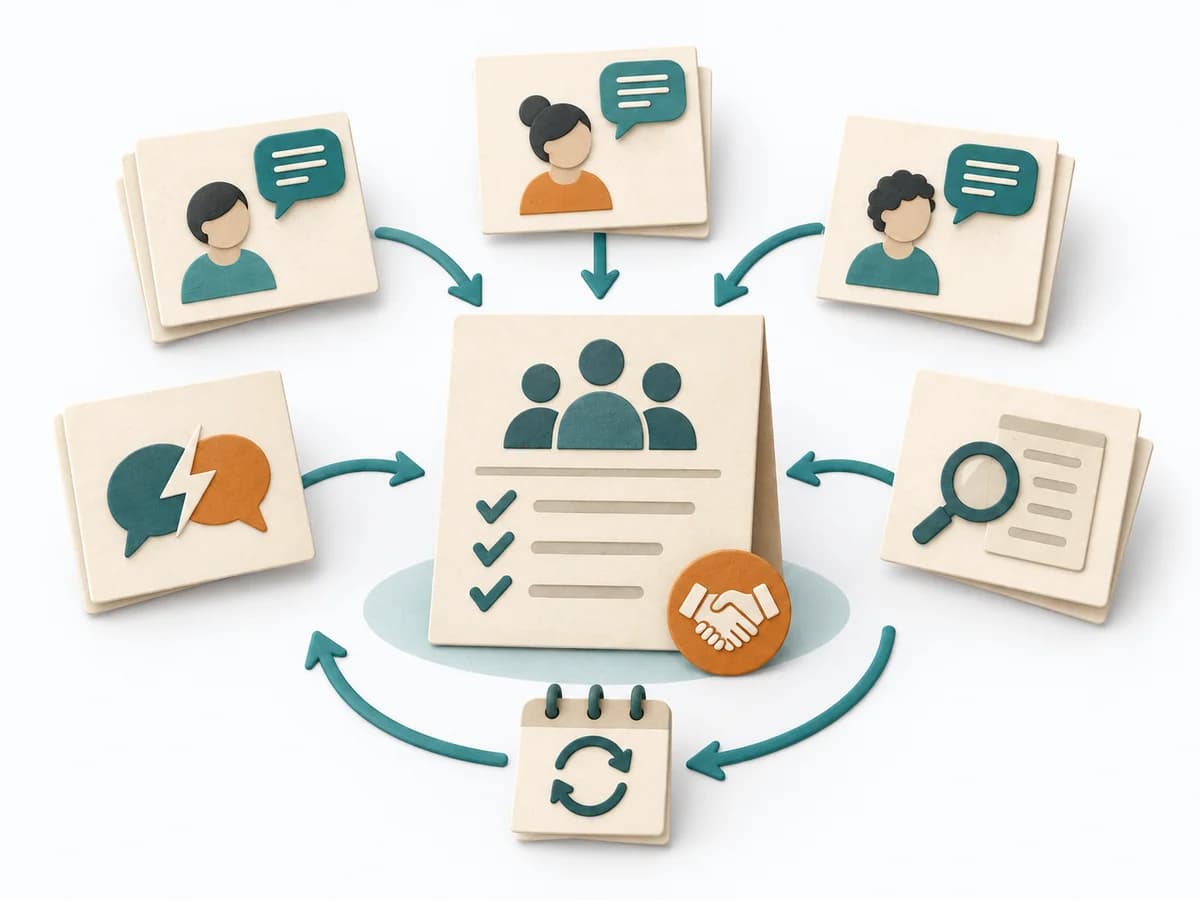 Agile Working Agreements |  Facilitation Alignment Mapping | 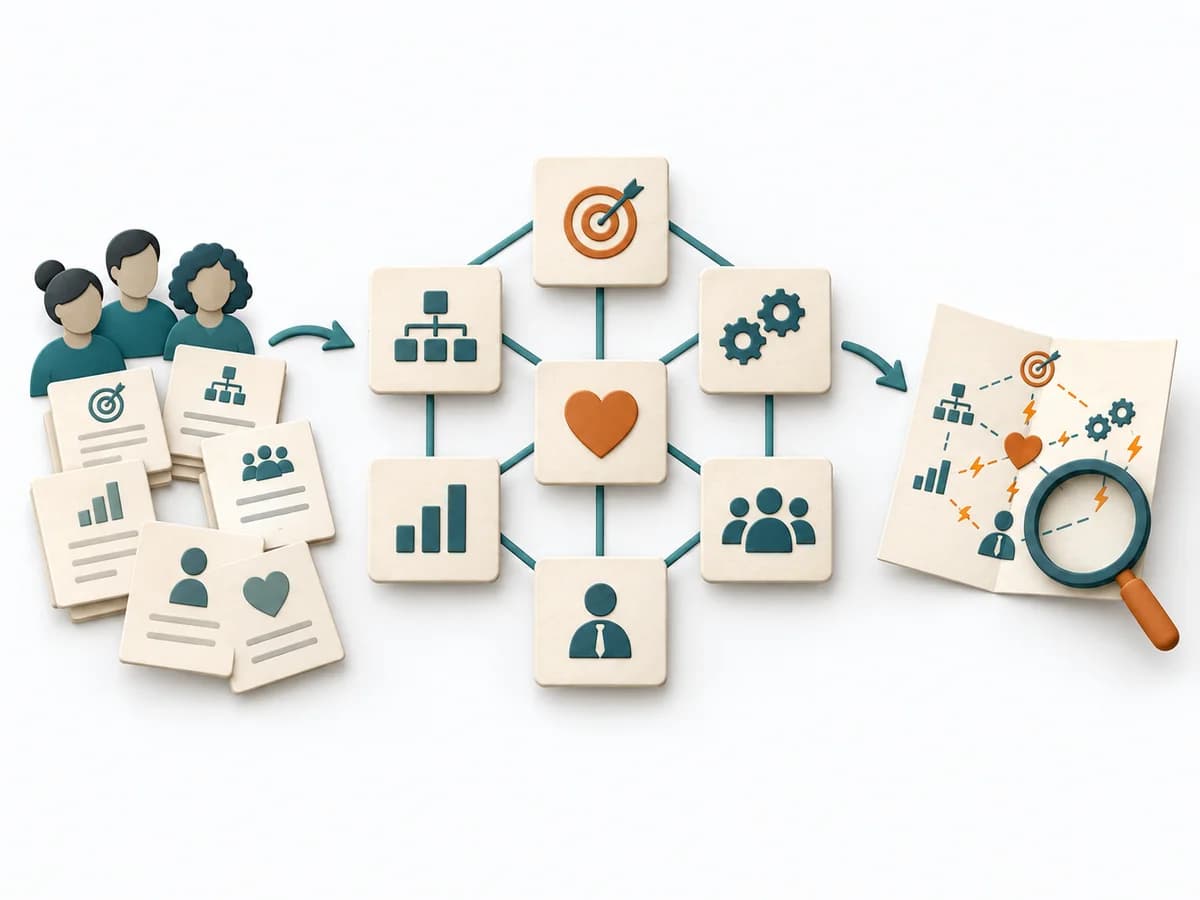 Business Strategy McKinsey 7S | 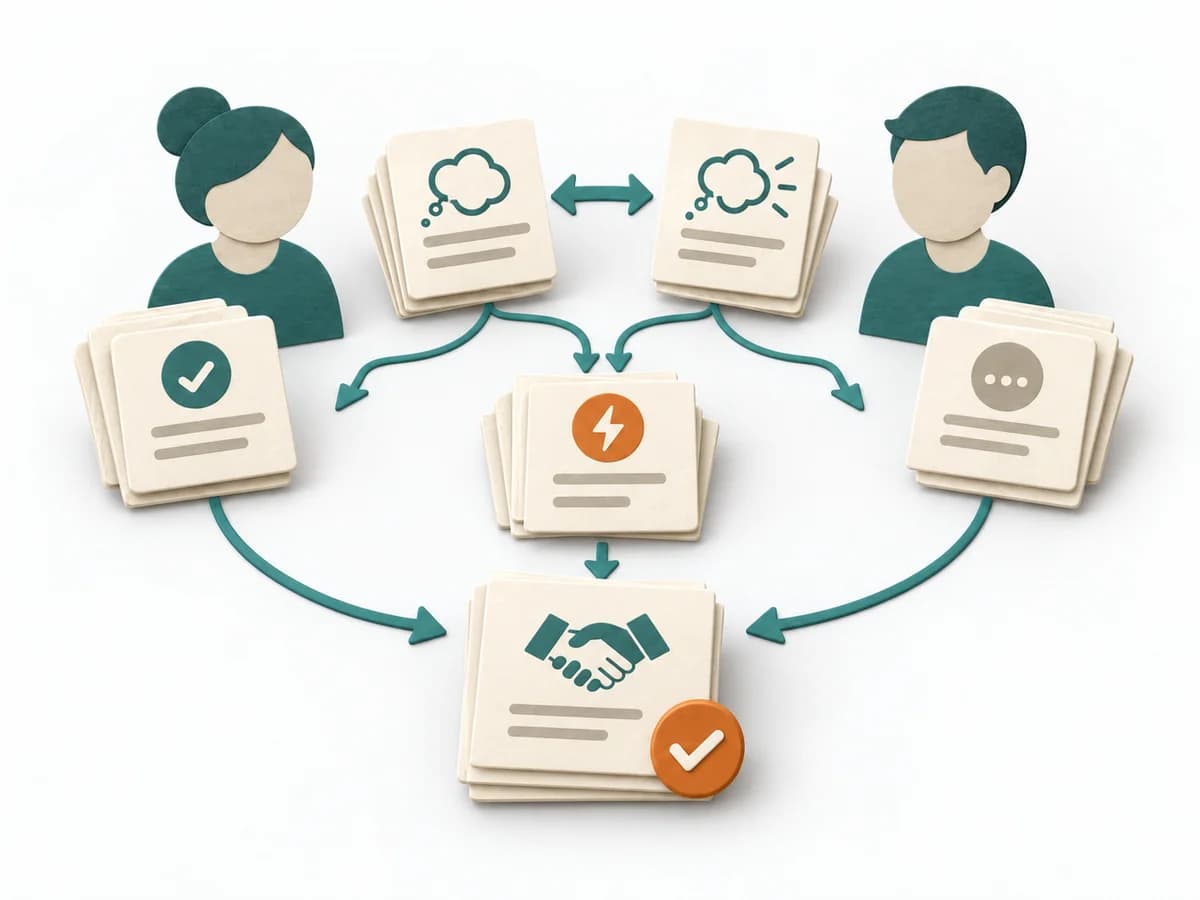 Facilitation Expectation Mapping |
|---|---|---|---|---|
Purposedifferent | When collaboration needs more than implicit expectations, it lays out shared ground rules openly. It creates reliability for conduct, availability, and decision paths. | When several people work toward one goal but hold different mental maps, Alignment Mapping makes the discrepancies visible. It arranges goals, assumptions, and priorities so shared direction becomes verifiable. | McKinsey 7S checks whether Strategy, Structure, Systems, Shared Values, Skills, Style, and Staff fit together. Organizational misalignments become visible across multiple levers as a result. | When roles, interfaces, or projects fail because of differing expectations, Expectation Mapping surfaces these differences. It shows what each side takes for granted and where the pictures diverge. |
Complexitydifferent | Low | Medium | Medium | Low |
Timedifferent | 45-90 min | 1-2 h | 2-4 h | 45-90 min |
Participantsdifferent | 3-12 | 4-12 | 3-12 | 3-12 |
Formatsame | Workshop | Workshop | Workshop | Workshop |
Outputdifferent | Working Agreements, Team Norms, Review Cadence | Alignment Map, Open Issues, Decision Questions | 7S Assessment, Alignment Gaps, Change Actions | Expectation Map, Alignment Notes, Agreements |
Tagsno overlap | TeamCollaborationAgile | AlignmentStakeholdersStrategyFacilitation | OrganizationStrategyAlignmentChange | AlignmentStakeholdersTeam |