View methods side by side.
Choose up to four methods. Add them using the search and share the comparison by copying its link.
| Criterion | 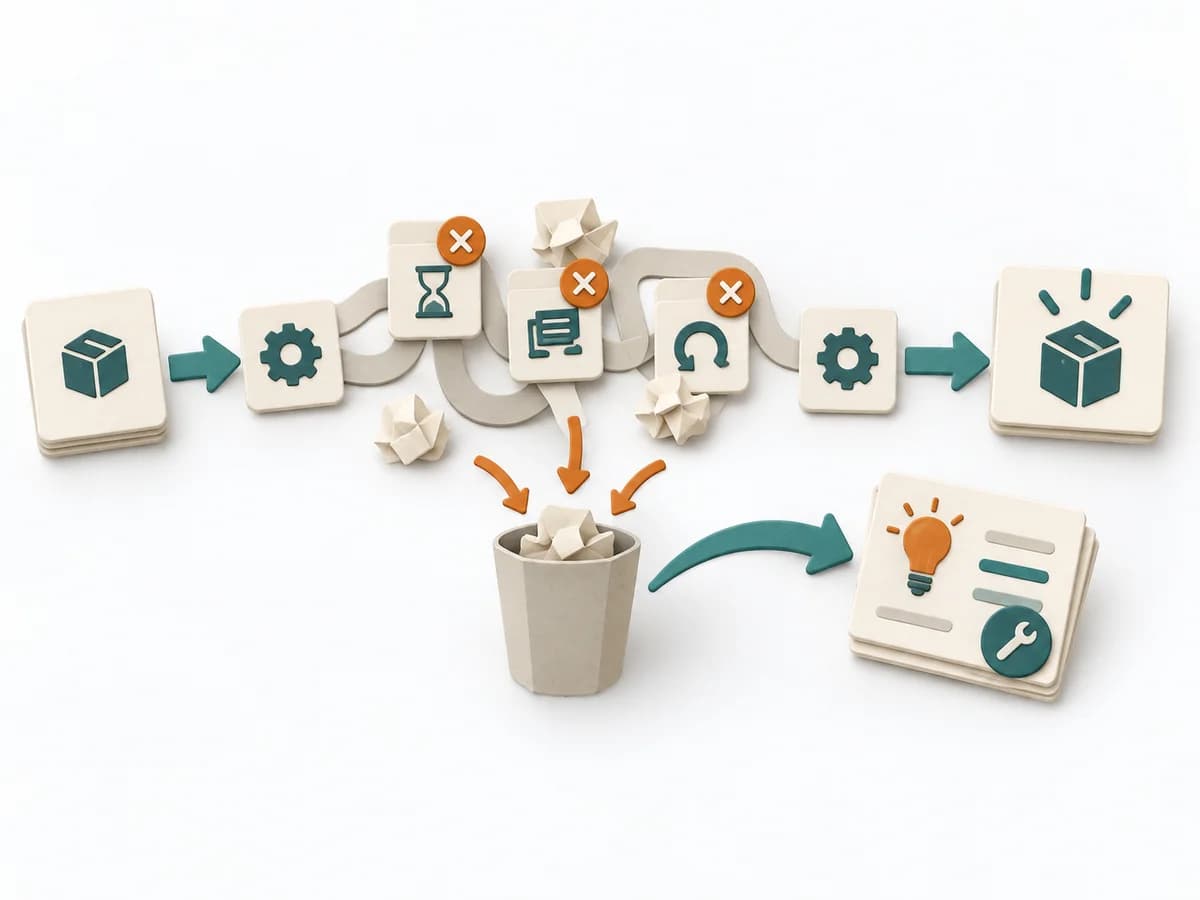 Operations Waste Analysis | 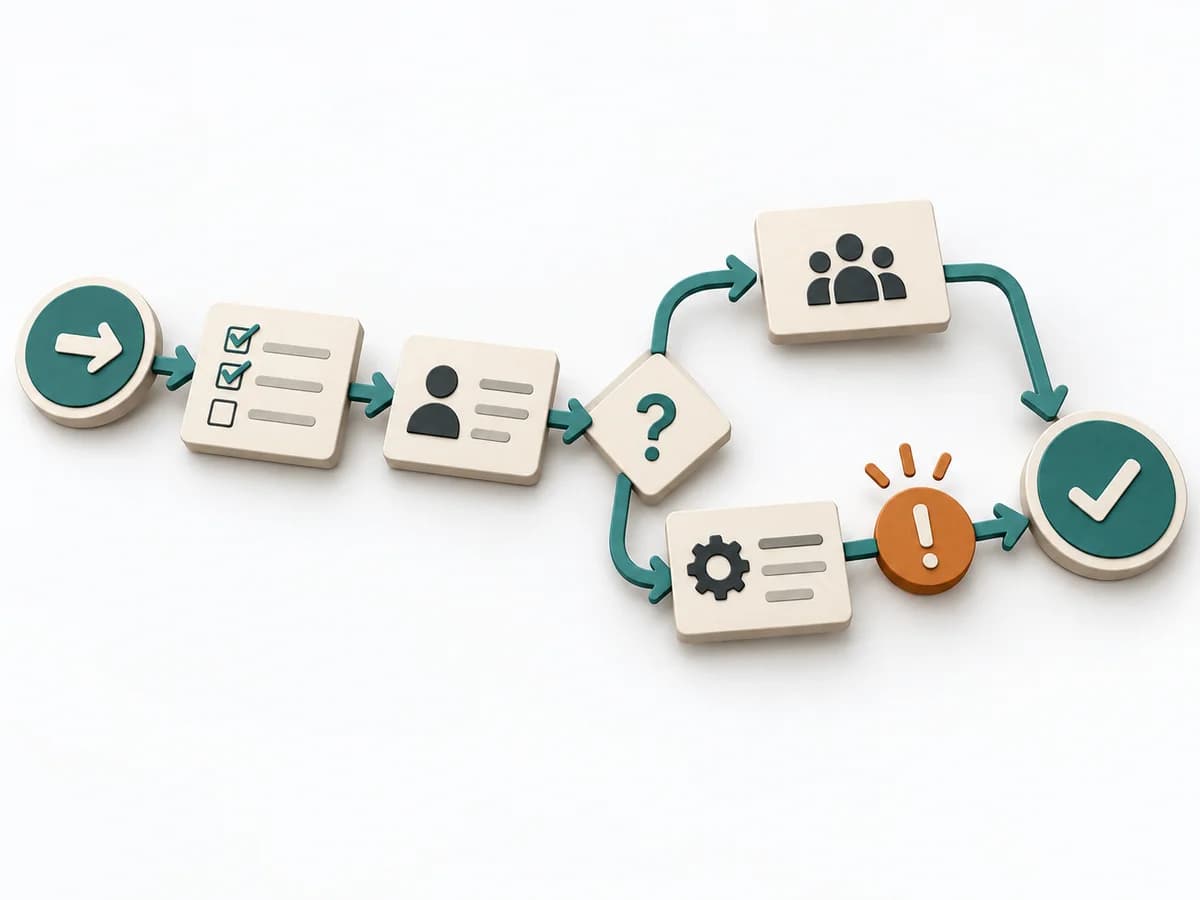 Operations Process Mapping | 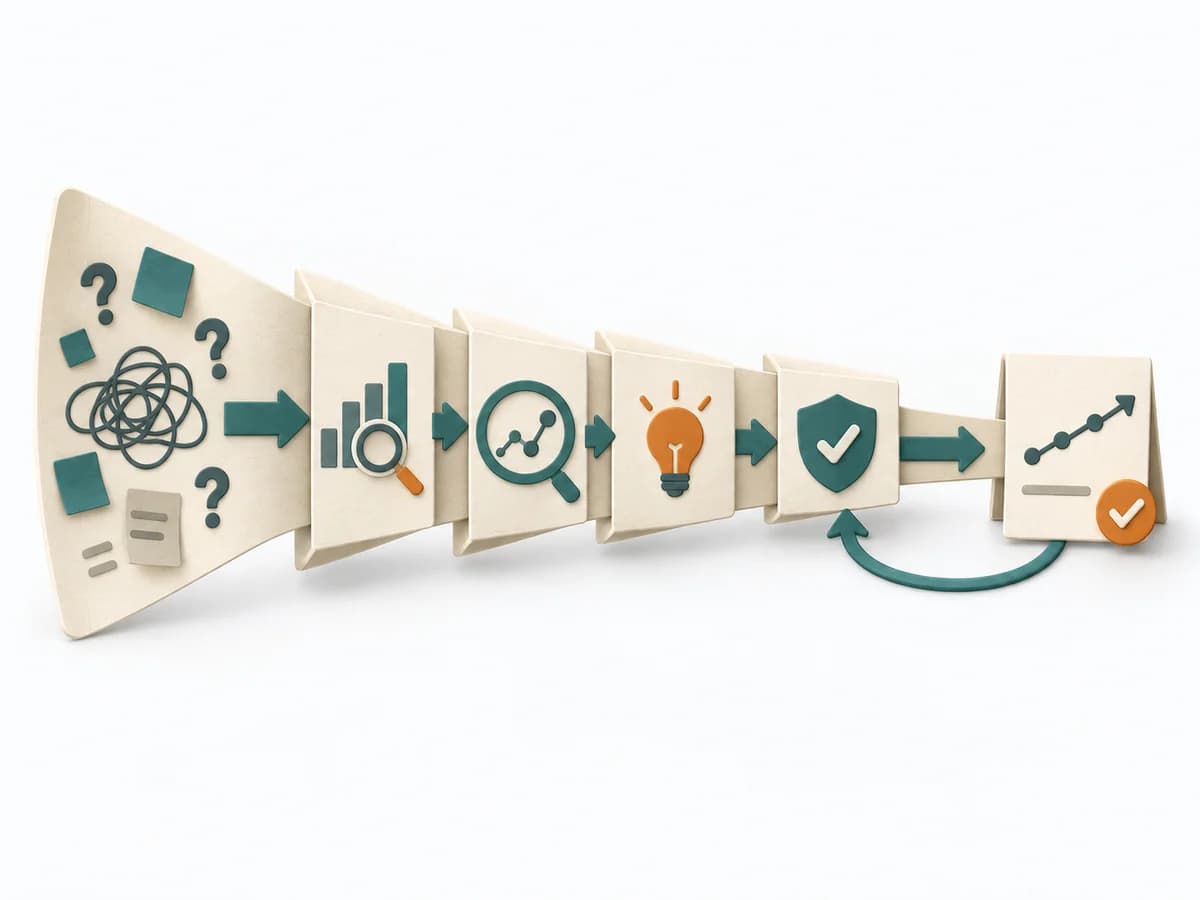 Operations DMAIC | 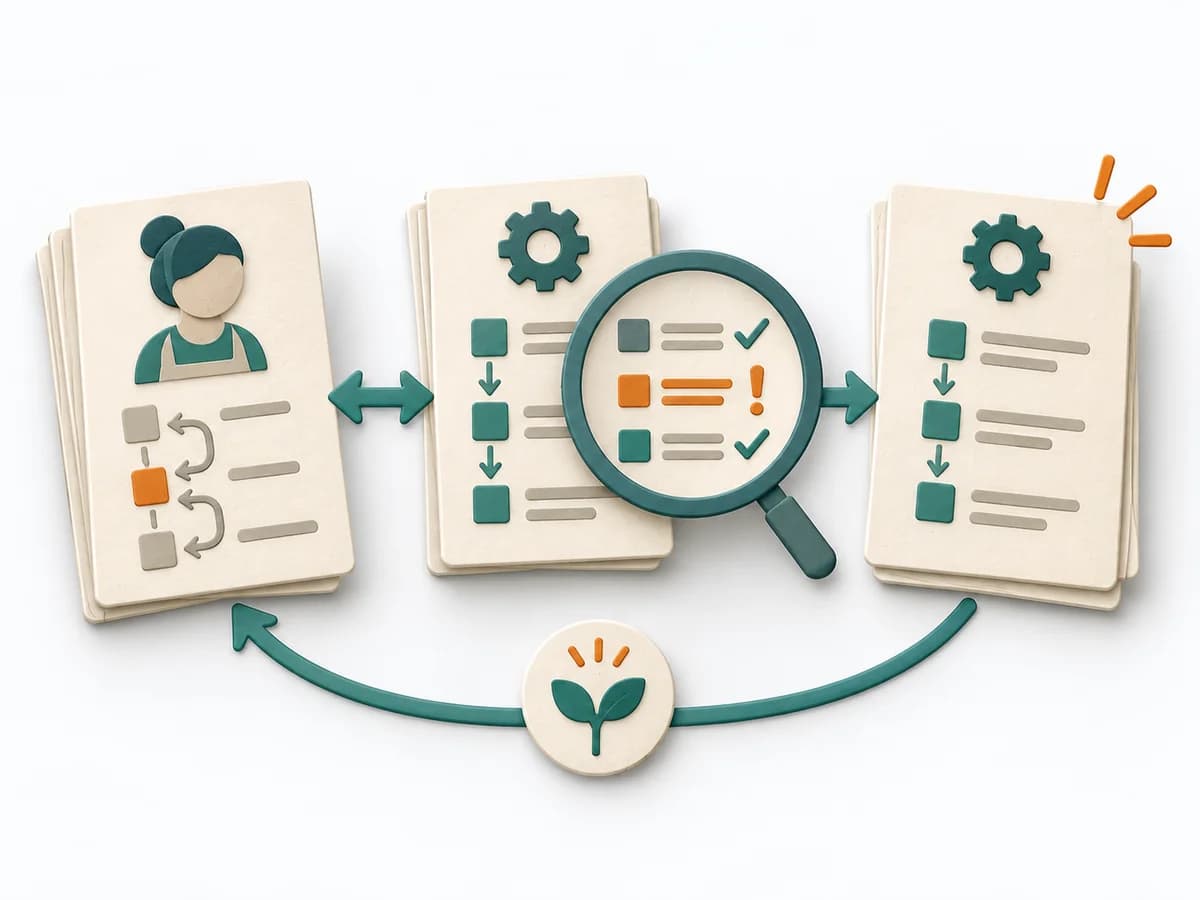 Operations Standard Work Analysis |
|---|---|---|---|---|
Purposedifferent | For a process that keeps people busy but creates little value, the method exposes waste. It directs attention to unnecessary movement, waiting times, rework, and overdelivery. | With a confusing workflow that has many handoffs, the method makes the actual process visible. It shows where work is passed on, delayed, or duplicated, so improvement targets the right spots. | For a process problem with fluctuating performance, the method brings analysis and improvement into a disciplined sequence. It creates a framework in which numbers, causes, and control come together. | When the same task is done differently depending on the person, the method exposes the reliable core. It creates comparability without unnecessarily choking off needed latitude. |
Complexitydifferent | Low | Medium | High | Medium |
Timedifferent | 45-120 min | 1-3 h | 2-12 Wochen | 1-3 h |
Participantsdifferent | 2-8 | 3-10 | 3-10 | 2-6 |
Formatdifferent | Workshop | Workshop | Workshop + async | Workshop |
Outputdifferent | Waste Map, Prioritized Waste, Improvement Backlog | Process Map, Handoff List, Improvement Backlog | Project Charter, Measurement Plan, Cause Analysis, Control Plan | Standard Work Sheet, Deviation List, Improved Standard, Training Needs |
Tagsno overlap | WasteLeanProcess improvement | ProcessOperationsImprovement | Continuous improvementQualityProcess improvement | LeanProcessQuality |