View methods side by side.
Choose up to four methods. Add them using the search and share the comparison by copying its link.
| Criterion | 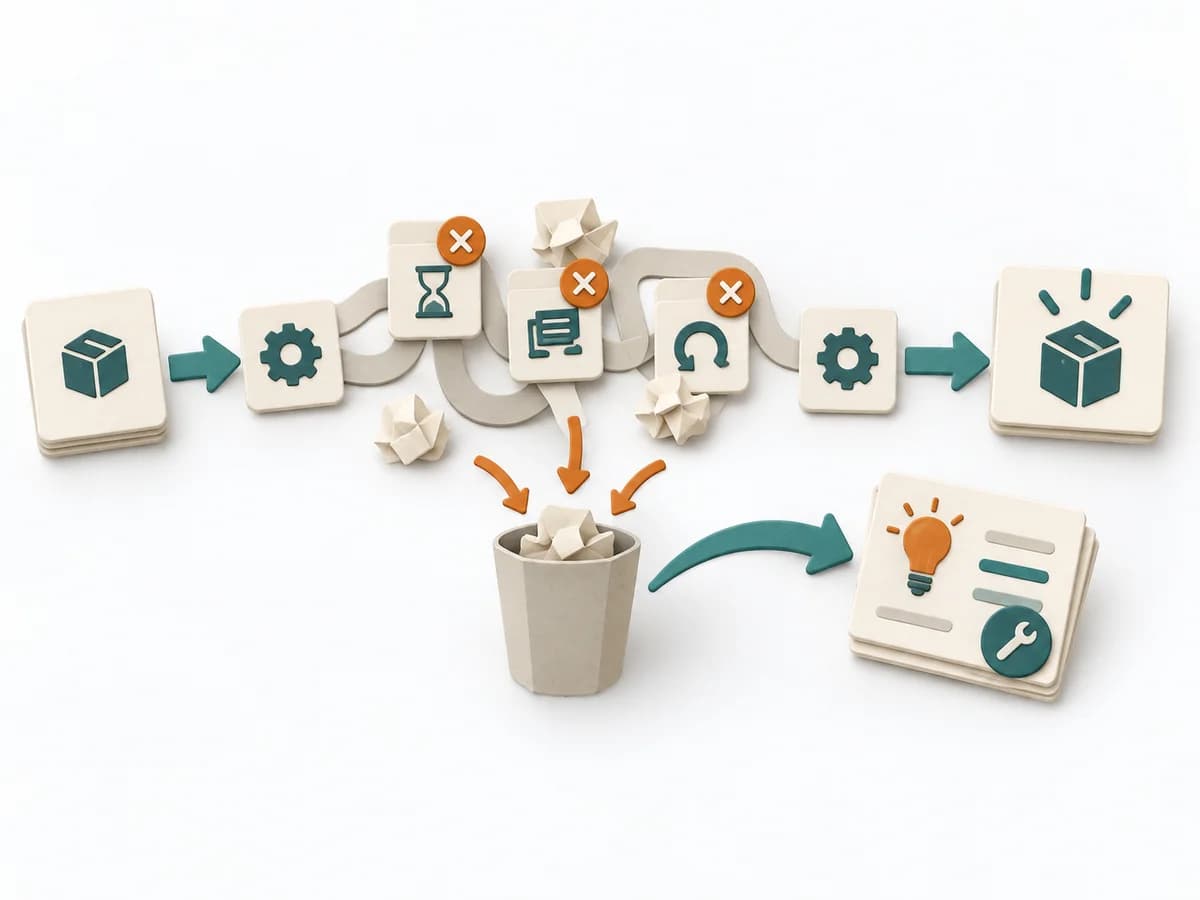 Operations Waste Analysis |  Delivery MoSCoW | 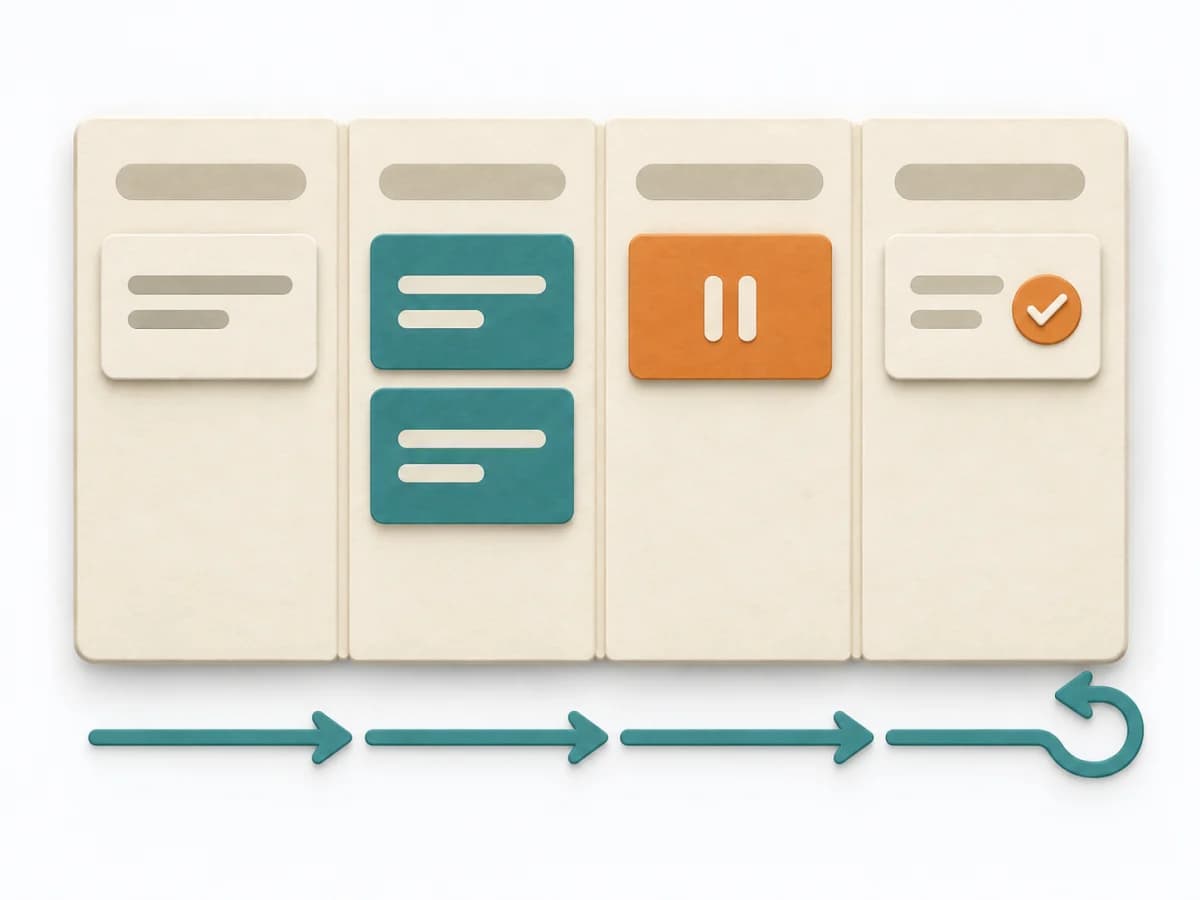 Engineering Kanban | 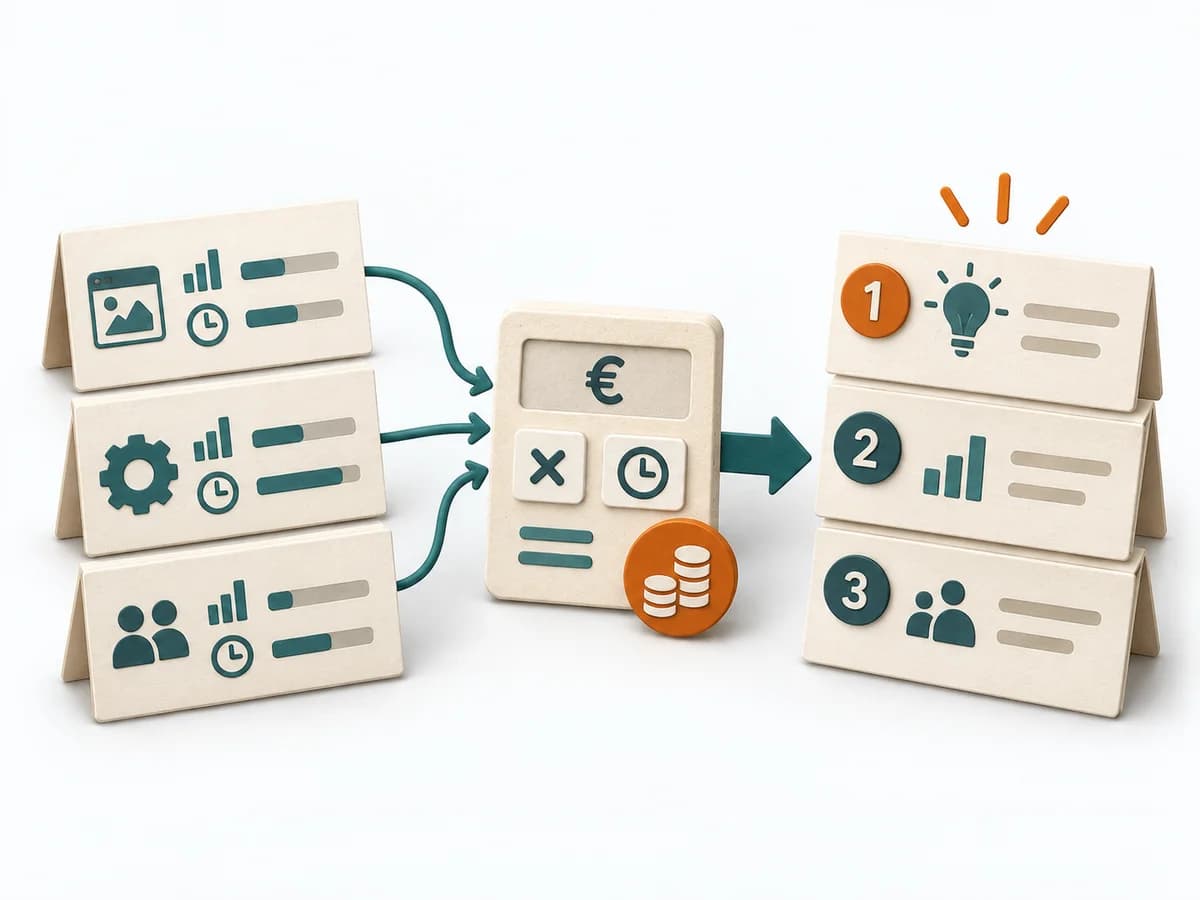 Delivery Cost of Delay |
|---|---|---|---|---|
Purposedifferent | For a process that keeps people busy but creates little value, the method exposes waste. It directs attention to unnecessary movement, waiting times, rework, and overdelivery. | When a release carries too many demands and priorities are only ever negotiated, MoSCoW creates clear boundaries for the next cut. Must, Should, Could, and Won't make commitment, room for maneuver, and trade-off logic visible to everyone involved. | When work sits in too many parallel streams, throughput suffers and no one sees the bottlenecks. Kanban makes the flow of work visible and limits overload so a system becomes calmer and more predictable. | Helps clarify scope, order, and delivery flow in concrete terms. It makes work, constraints, and sequence manageable. The result is captured as a Cost of Delay table and prioritization sequence. |
Complexitydifferent | Low | Low | Medium | High |
Timedifferent | 45-120 min | 30-90 min | Ongoing | 90-180 min |
Participantsdifferent | 2-8 | 3-12 | 2-12 | 3-8 |
Formatdifferent | Workshop | Workshop + async | Workshop + async | Workshop |
Outputdifferent | Waste Map, Prioritized Waste, Improvement Backlog | Prioritized Backlog, Release Scope, Tradeoff Notes | Kanban board, WIP policies, Flow metrics | CoD Table, Prioritization Sequence |
Tagsno overlap | WasteLeanProcess improvement | PrioritizationScopeDecision | FlowVisual managementDelivery | PrioritizationDeliveryEconomicsDecision |