View methods side by side.
Choose up to four methods. Add them using the search and share the comparison by copying its link.
| Criterion | 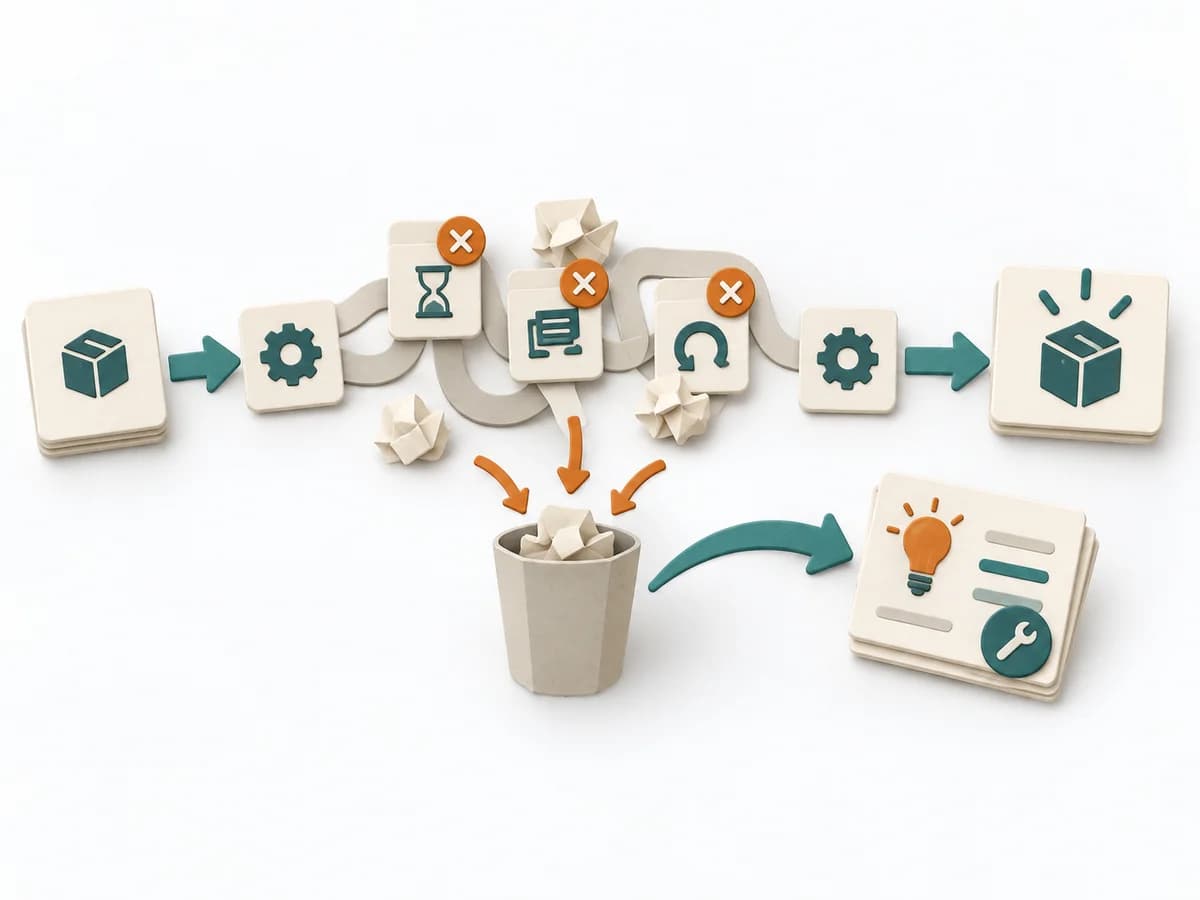 Operations Waste Analysis | 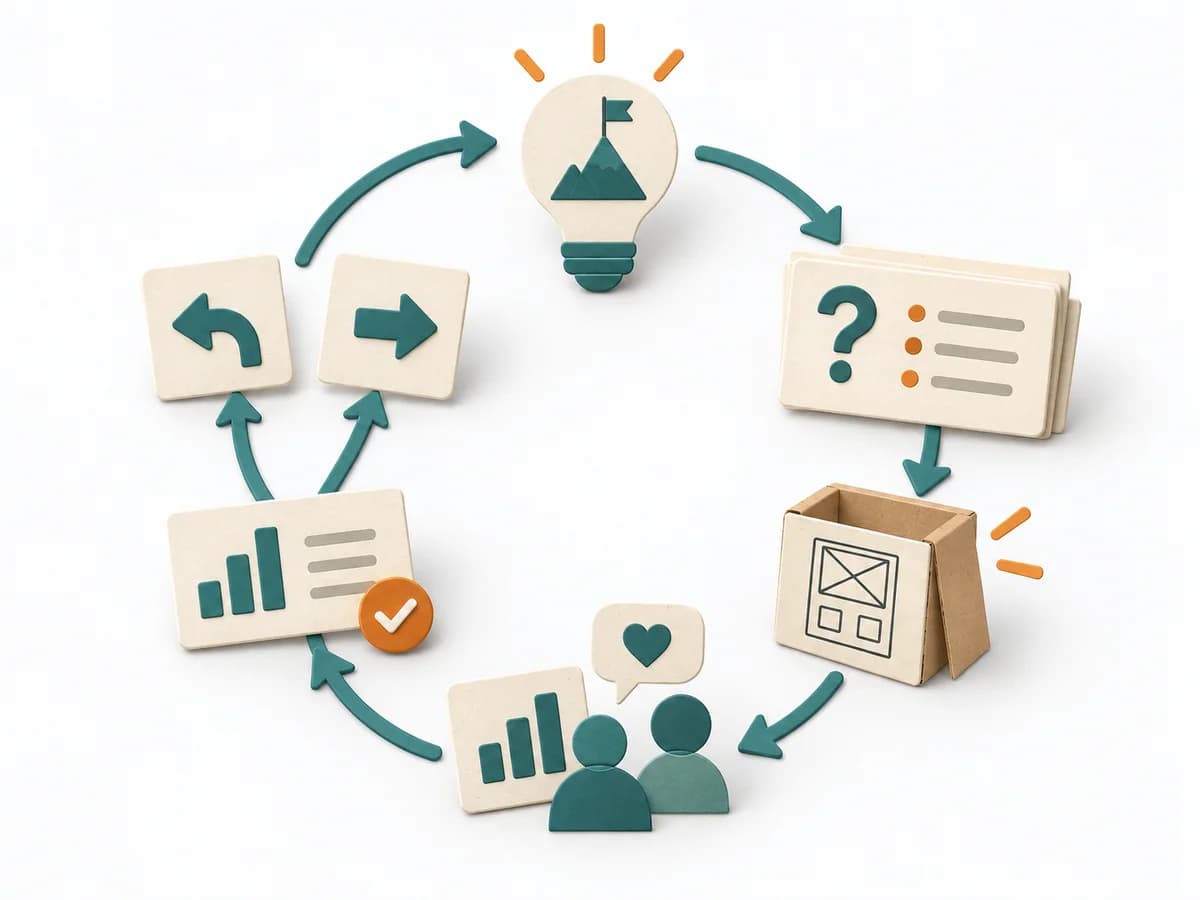 Innovation Lean Startup |  Systems Thinking Leverage Points | 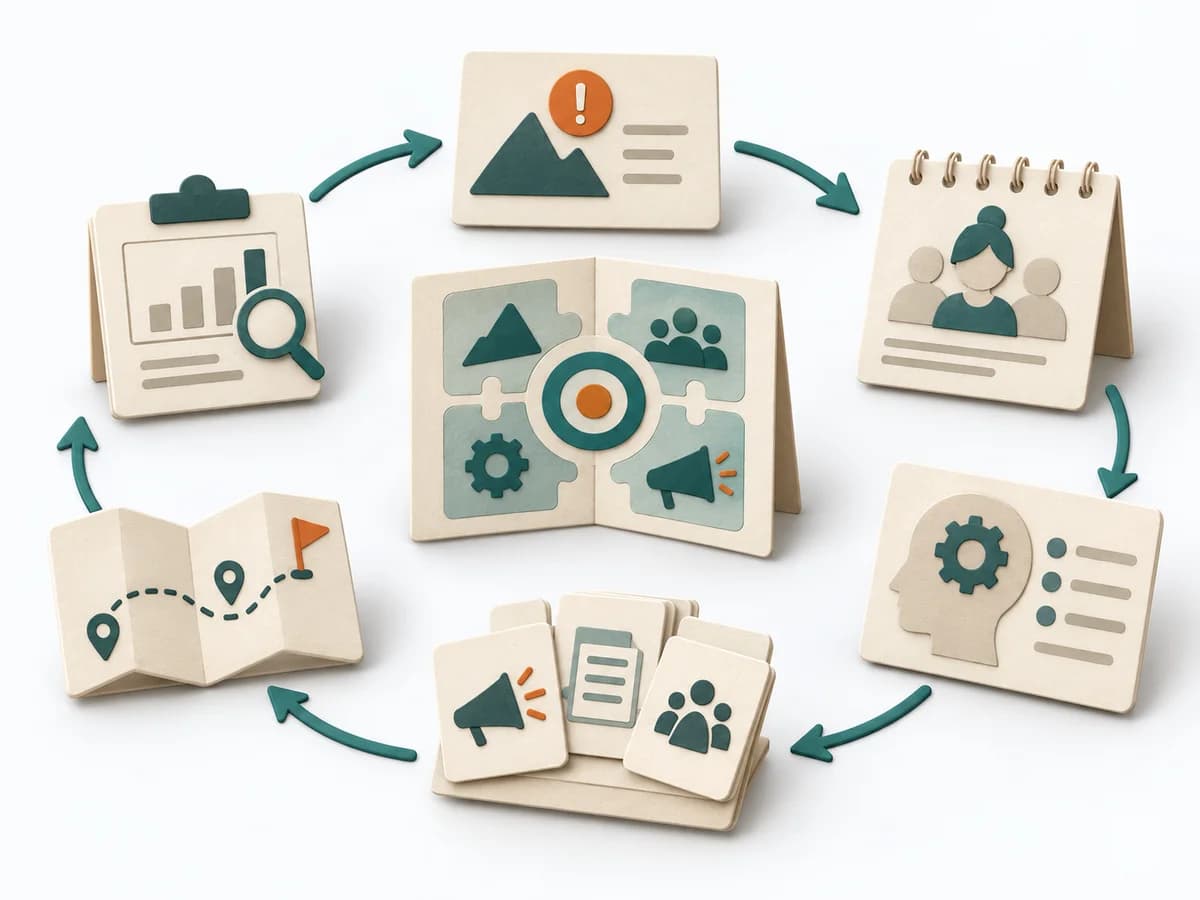 Systems Thinking Intervention Mapping |
|---|---|---|---|---|
Purposedifferent | For a process that keeps people busy but creates little value, the method exposes waste. It directs attention to unnecessary movement, waiting times, rework, and overdelivery. | For uncertain business assumptions, the method forces the idea into contact with real market reactions early. It separates wishful picture, assumption, and observable behavior, so that learning becomes faster than planning. This translates uncertainty into measurable insight. | Leverage Points show exactly where interventions in a system produce a disproportionate effect. It draws relationships, patterns, and feedback loops. The result is captured as a leverage map and action strategy. | Intervention Mapping translates a need for change into a planned, evaluable program. The method connects target group, determinants, actions, and measurement into a traceable chain. |
Complexitydifferent | Low | Medium | High | High |
Timedifferent | 45-120 min | Wochen bis Monate je Lernzyklus | Half day | 1-5 Tage |
Participantsdifferent | 2-8 | 2-8 | 3-12 | 4-12 |
Formatdifferent | Workshop | Workshop + async | Workshop | Workshop + async |
Outputdifferent | Waste Map, Prioritized Waste, Improvement Backlog | Hypothesis list, MVPs, Learning reports, Pivot or persevere decision | Leverage Map, Action Strategy | Logic Model, Change Objectives, Intervention Components, Evaluation Plan |
Tagsno overlap | WasteLeanProcess improvement | LeanStartupValidationMVP | Systems thinkingChangeStrategy | ChangeSystems thinkingCapability |