View methods side by side.
Choose up to four methods. Add them using the search and share the comparison by copying its link.
| Criterion | 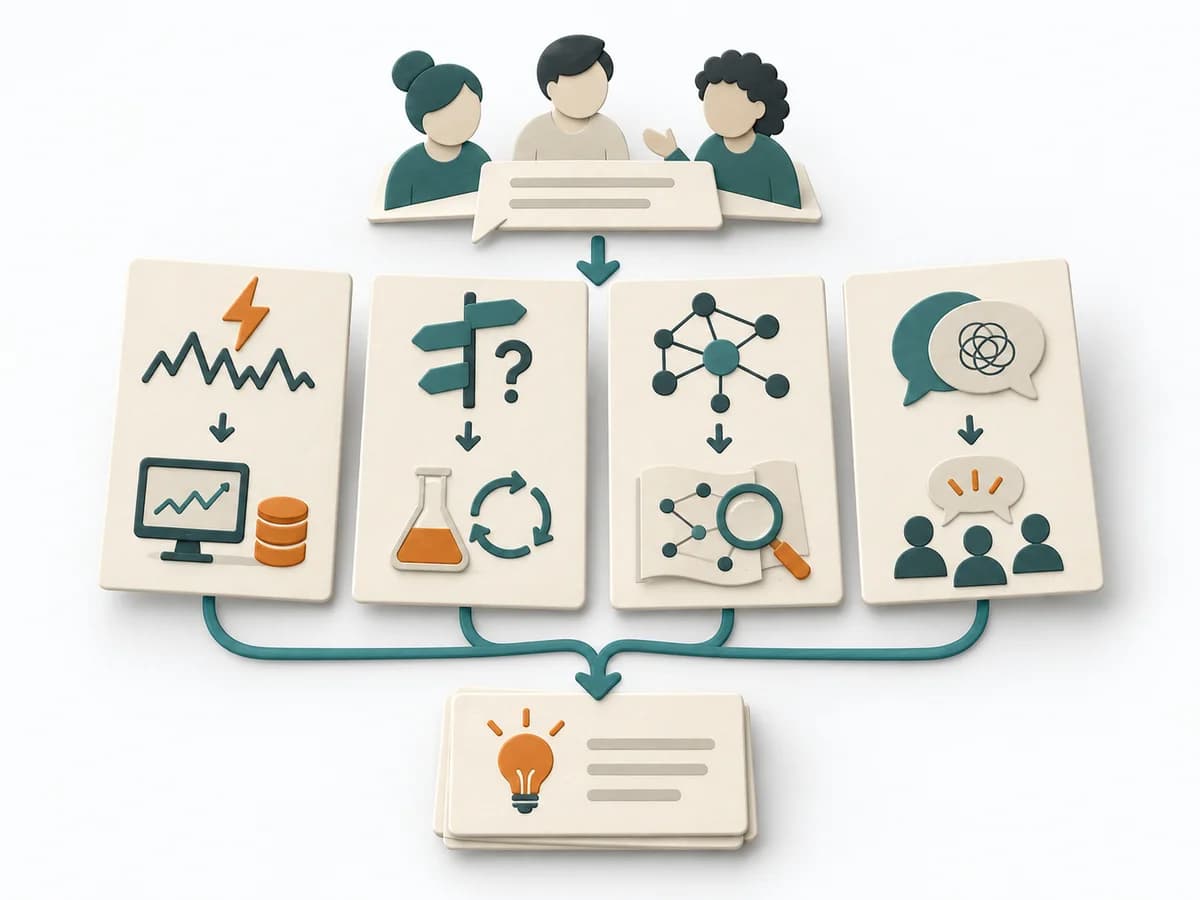 Systems Thinking VUCA Scan | 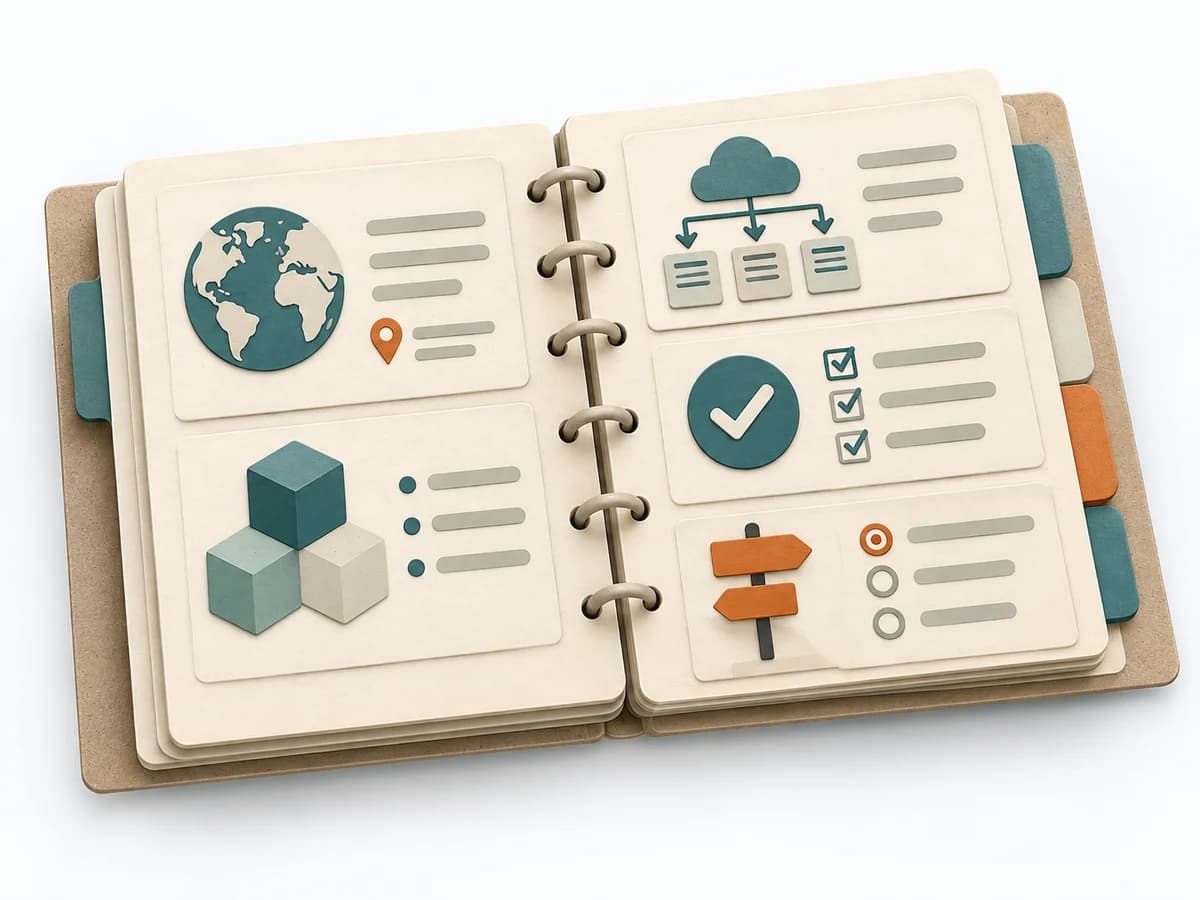 Architecture arc42 |  Facilitation Power Interest Grid | 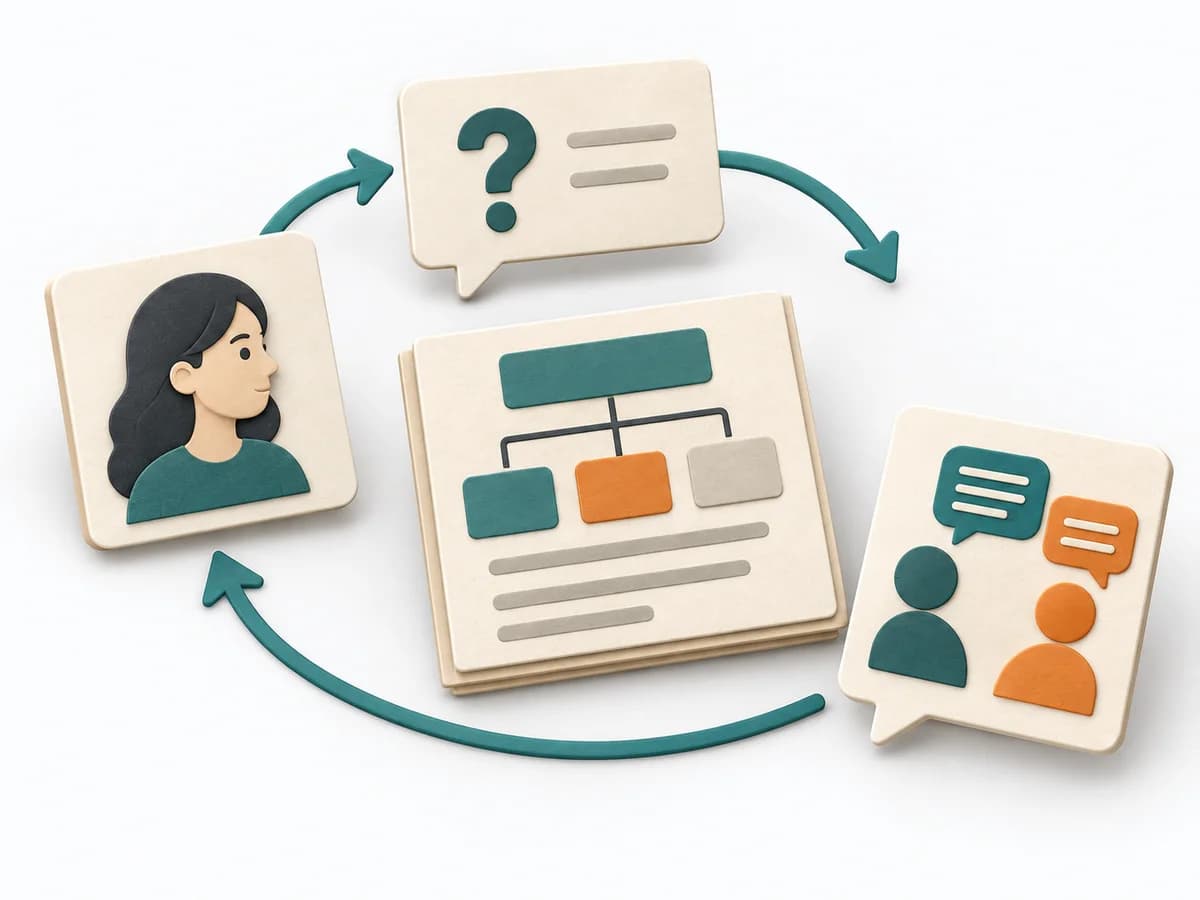 Architecture Architecture Communication Canvas |
|---|---|---|---|---|
Purposedifferent | The VUCA Scan helps read difficult situations more precisely. Instead of treating unclarity as generally complicated, the method separates fast change, missing knowledge, systemic entanglement, and ambiguous interpretation. | arc42 structures architecture knowledge so teams can document system, decisions, and risks consistently. The template builds a living understanding of the architecture instead of scattered notes. | When many stakeholders compete for attention at once, the Power Interest Grid sorts them by influence and stake. It turns individual contributions into a visible selection. The result is captured as a Power Interest Grid and a stakeholder-specific strategy. | The Architecture Communication Canvas plans architecture communication so the right people receive the right message. The method turns technical complexity into deliberate communication design. |
Complexitydifferent | Low | Low | Low | Medium |
Timedifferent | 30-90 min | 1-2 Tage | 30-60 min | 60-120 min |
Participantsdifferent | 1-10 | 1-4 | 2-8 | 2-8 |
Formatdifferent | Workshop + async | Workshop + async | Workshop | Workshop + async |
Outputdifferent | VUCA Map, Response Options, Signal and Learning Plan | Architecture Document, Context View, Runtime View, Deployment View | Power Interest Grid, Strategy per Stakeholder | Communication Canvas, Stakeholder Messages, Architecture Communication Plan |
Tagsno overlap | SensemakingUncertaintyComplexityStrategyForesight | ArchitectureDocumentationCommunication | StakeholdersFacilitationAlignmentPlanning | ArchitectureCommunicationStakeholdersCanvas |