View methods side by side.
Choose up to four methods. Add them using the search and share the comparison by copying its link.
| Criterion | 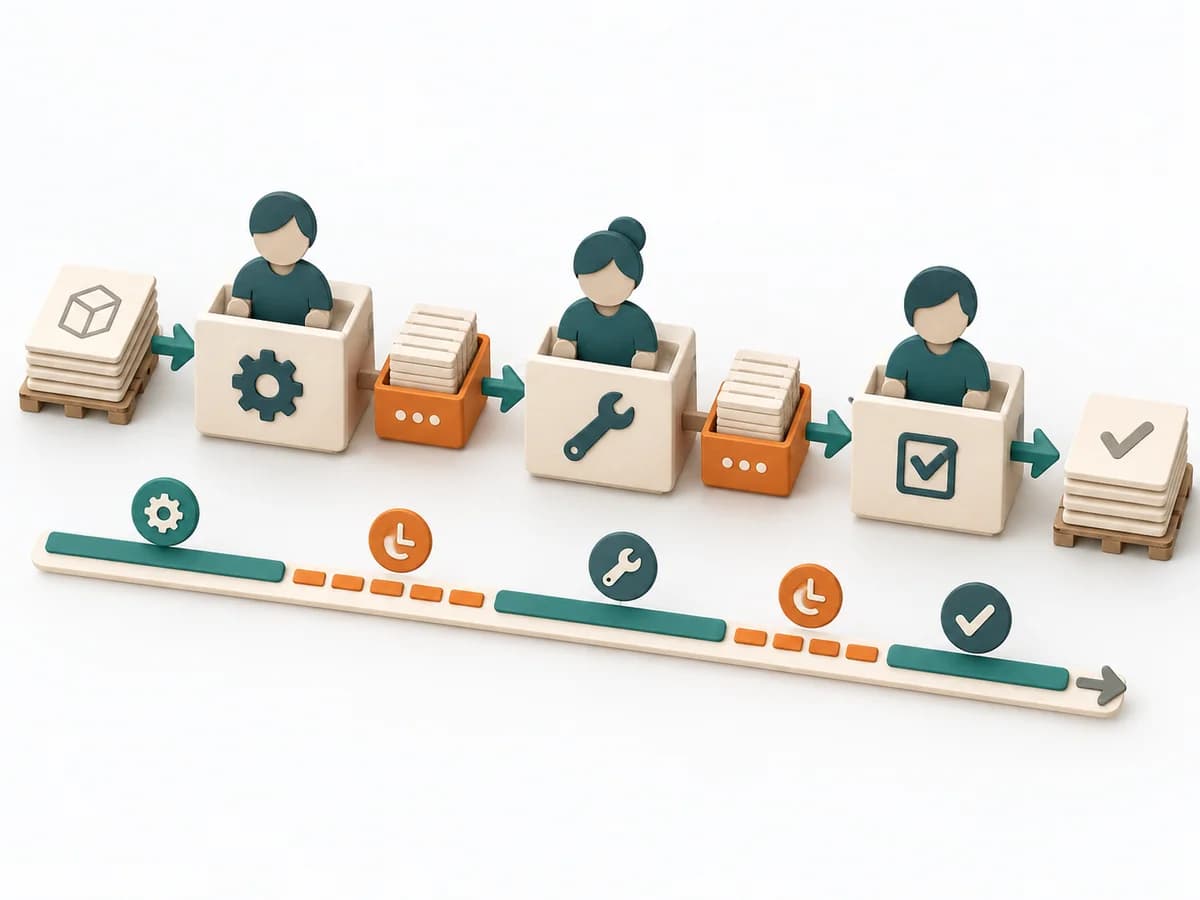 Delivery Value Stream Mapping | 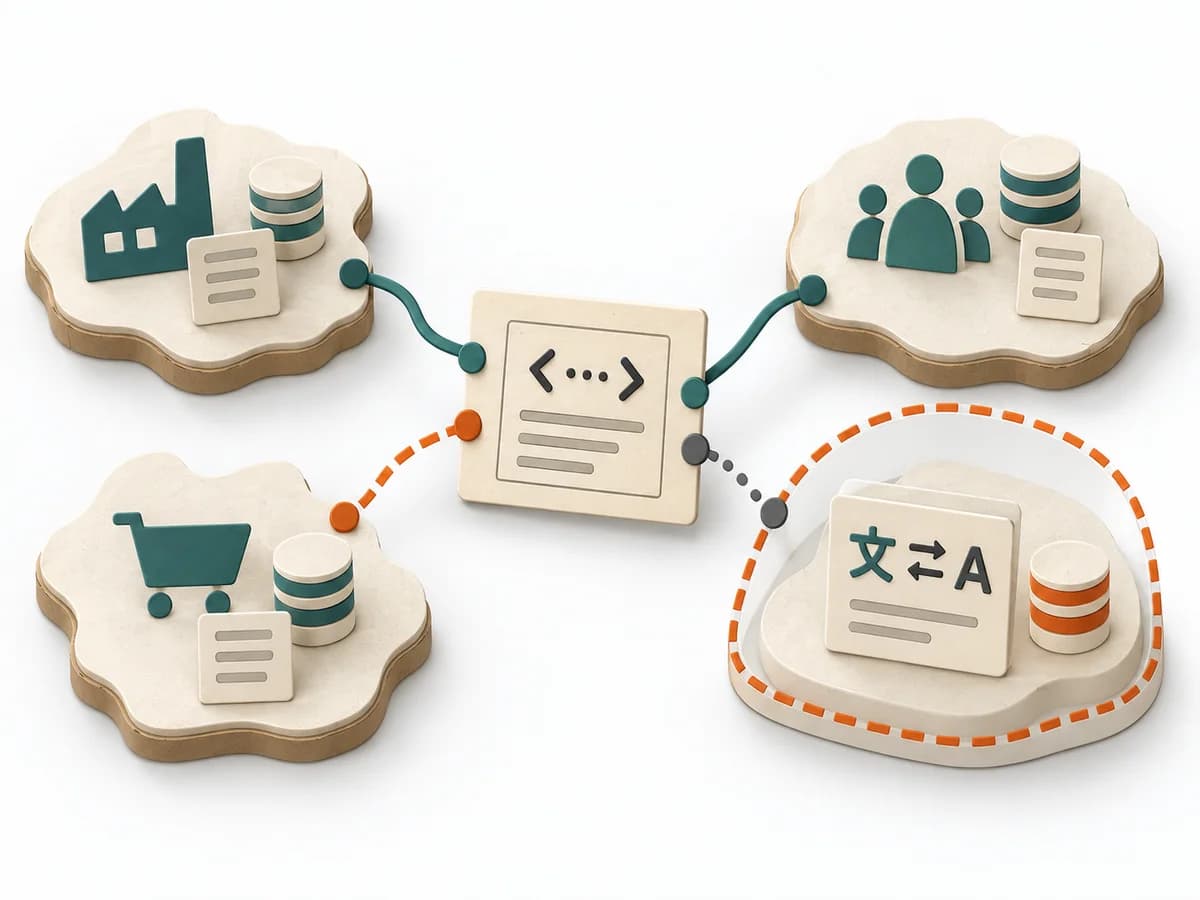 Domain Modeling Context Map | 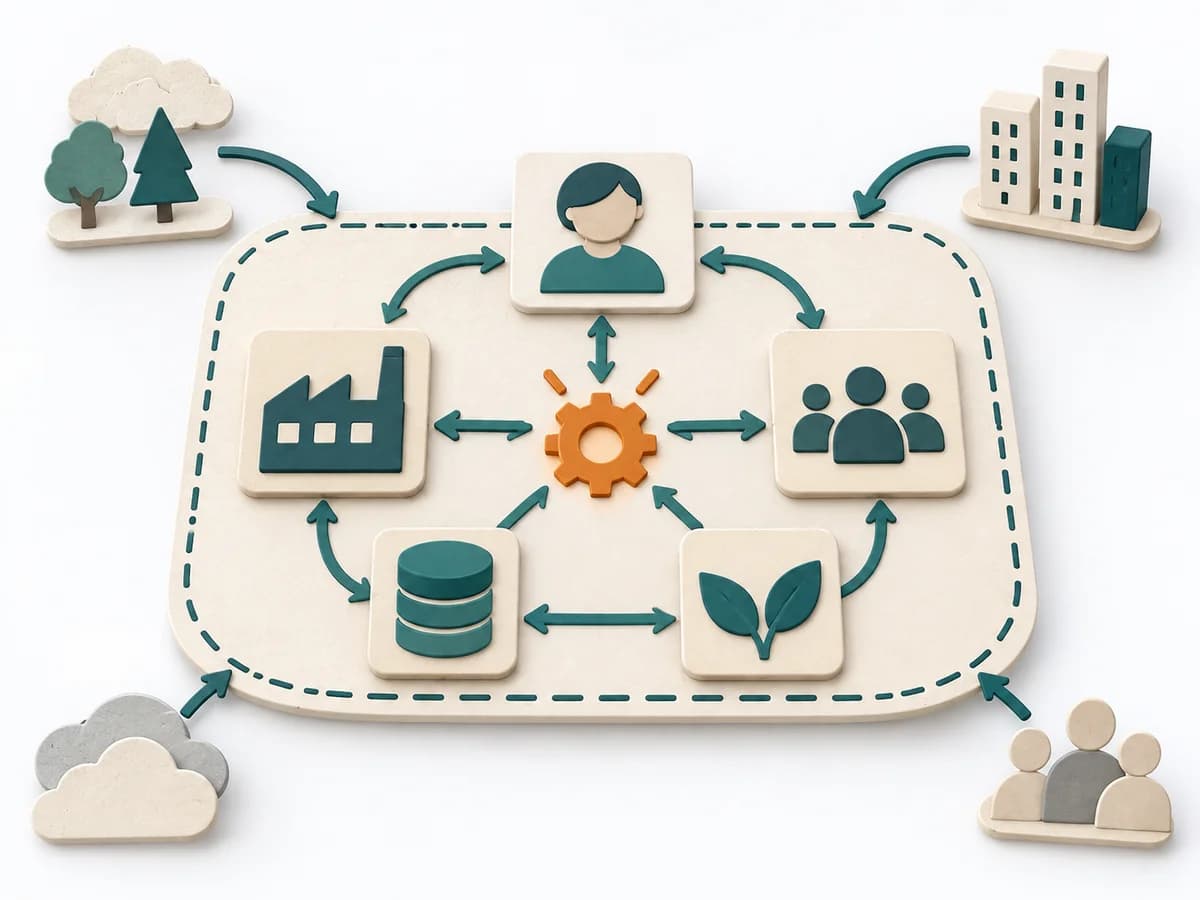 Systems Thinking Systems Mapping |  Systems Thinking Leverage Points |
|---|---|---|---|---|
Purposedifferent | When delivery work dissolves into wait times, handoffs, and hidden effort, Value Stream Mapping makes the actual flow visible. The method exposes bottlenecks, idle time, and feedback loops so lead time and improvement levers become tangible. | When several contexts need to talk to each other, it makes their relationships and dependencies legible. It helps sort integration pressure and responsibilities across system boundaries. | Systems Mapping arranges elements, relationships, and boundaries so a complex field becomes legible at a glance. The overview stabilizes the overall picture before detail work or steering begins. | Leverage Points show exactly where interventions in a system produce a disproportionate effect. It draws relationships, patterns, and feedback loops. The result is captured as a leverage map and action strategy. |
Complexitydifferent | Medium | Medium | Medium | High |
Timedifferent | 1-3 h | 1-3 h | 1-3 h | Half day |
Participantsdifferent | 4-10 | 2-8 | 3-12 | 3-12 |
Formatdifferent | Workshop | Workshop + async | Workshop + async | Workshop |
Outputdifferent | Current-state map, Future-state map, Bottleneck list | Context Map, Integration Patterns, Boundary Notes | System Map, Dependencies, Leverage Points | Leverage Map, Action Strategy |
Tagsno overlap | LeanFlowWasteDelivery | Domain-Driven DesignBoundariesStrategy | Systems thinkingMappingBoundariesChange | Systems thinkingChangeStrategy |