View methods side by side.
Choose up to four methods. Add them using the search and share the comparison by copying its link.
| Criterion | 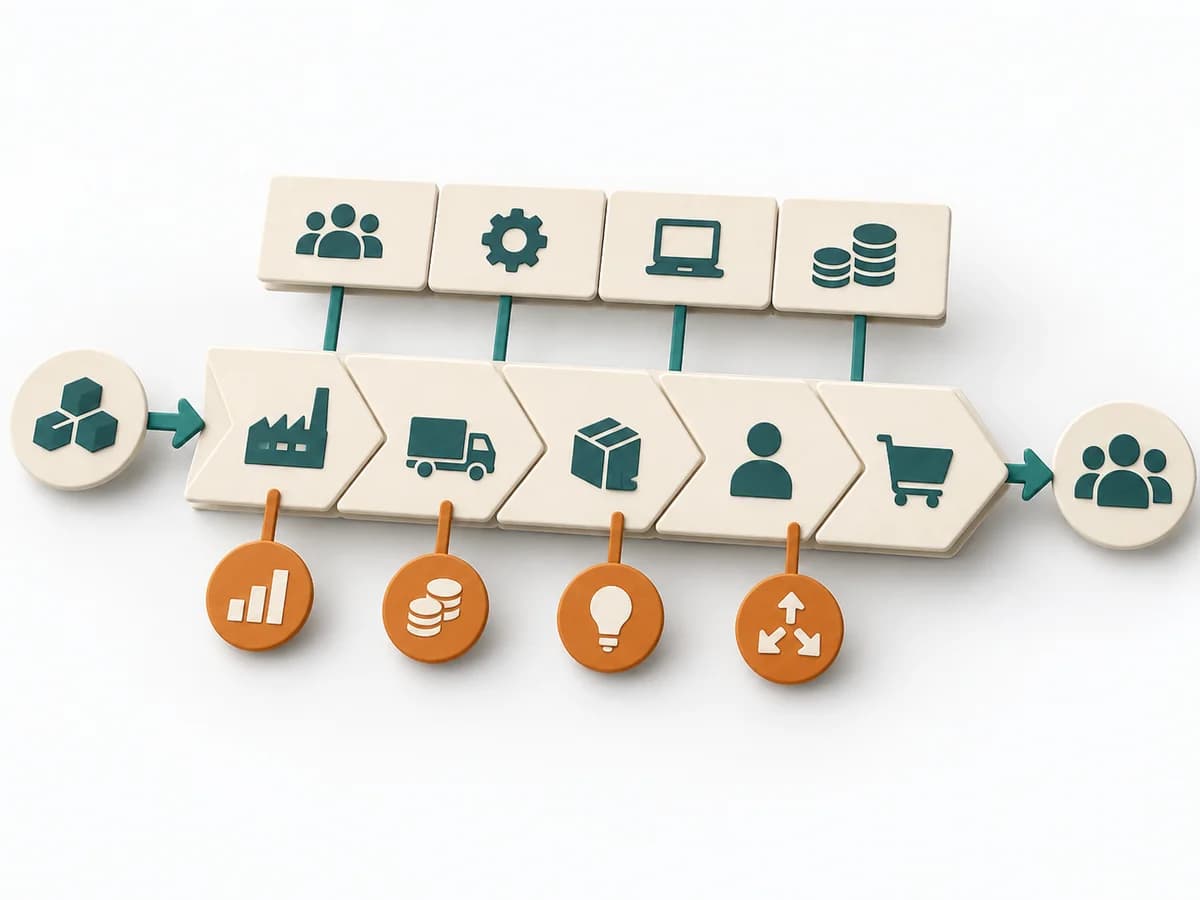 Business Strategy Value Chain Analysis |  Facilitation Stakeholder Salience Model | 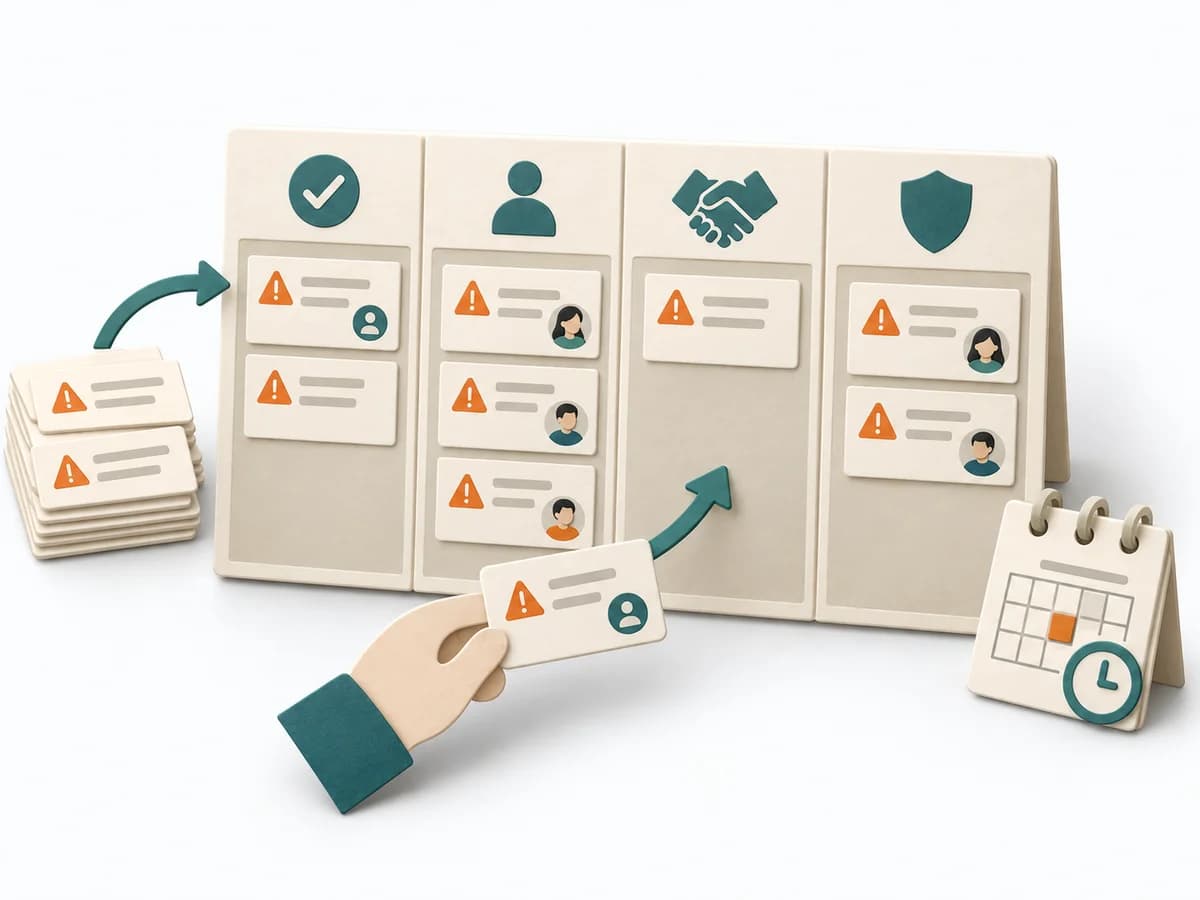 Agile ROAM Board |  Facilitation Alignment Mapping |
|---|---|---|---|---|
Purposedifferent | Value Chain Analysis shows where value is created, costs accrue, and differentiation becomes possible along the process. It compares strengths, risks, market logic, and courses of action. The result is captured as a value-chain map and lever list. | When stakeholders appear to matter very differently, the Stakeholder Salience Model rates their actual priority through power, legitimacy, and urgency. It turns individual contributions into a visible selection. The result is captured as a Salience diagram and a class-based strategy. | When work needs to move between different states or columns, it makes that movement and its handoffs legible. It sorts work by value, risk, and delivery ability. The result is captured as a ROAM Board and an Owner List. | When several people work toward one goal but hold different mental maps, Alignment Mapping makes the discrepancies visible. It arranges goals, assumptions, and priorities so shared direction becomes verifiable. |
Complexitydifferent | High | Medium | Low | Medium |
Timedifferent | Half day | 60-90 min | 20-40 min initial, dann laufend | 1-2 h |
Participantsdifferent | 3-8 | 3-6 | 3-15 | 4-12 |
Formatdifferent | Workshop | Workshop | Workshop + async | Workshop |
Outputdifferent | Value Chain Map, Lever List | Salience Diagram, Strategy per Class | ROAM Board, Owner List | Alignment Map, Open Issues, Decision Questions |
Tagsno overlap | StrategyBusiness modelDiagnosisAnalysis | StakeholdersFacilitationAlignmentGovernance | RiskAgileTrackingAlignment | AlignmentStakeholdersStrategyFacilitation |