View methods side by side.
Choose up to four methods. Add them using the search and share the comparison by copying its link.
| Criterion | 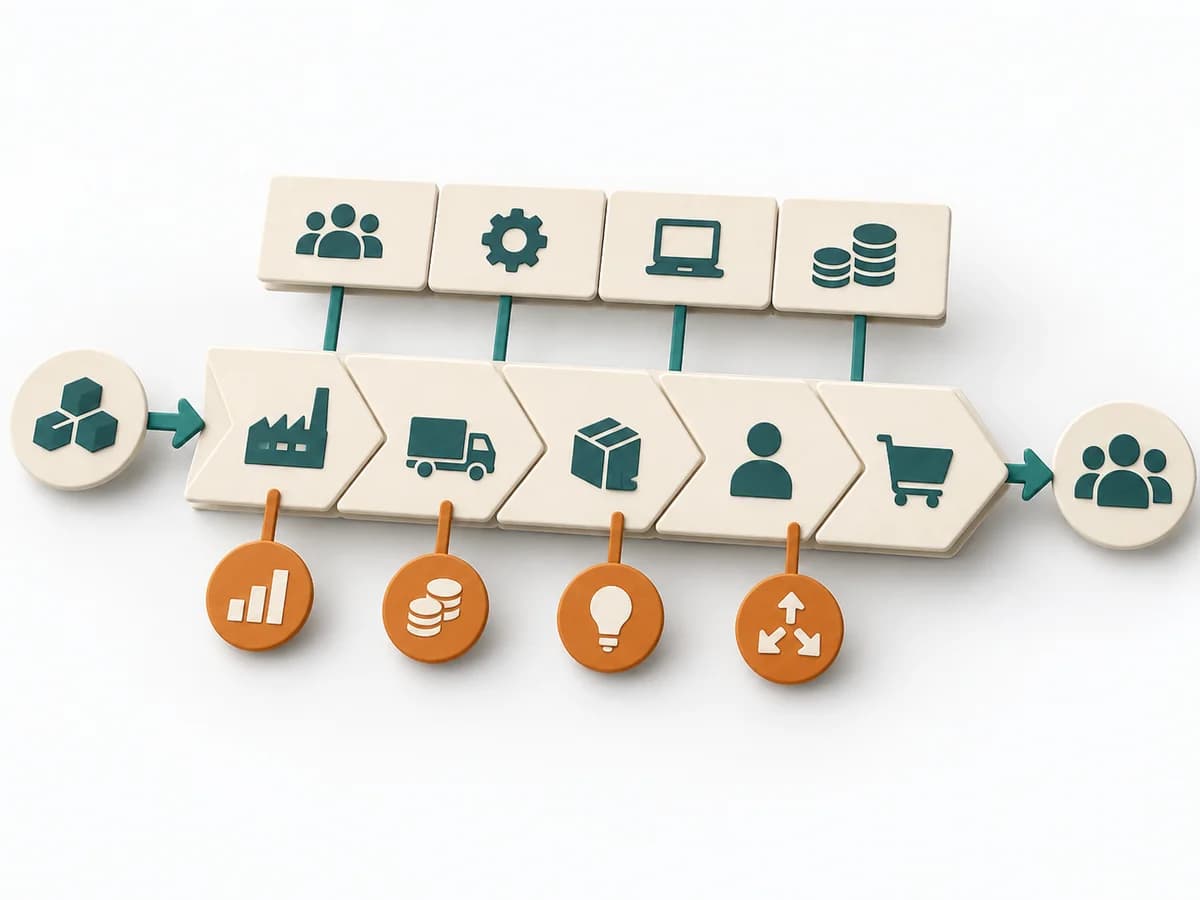 Business Strategy Value Chain Analysis | 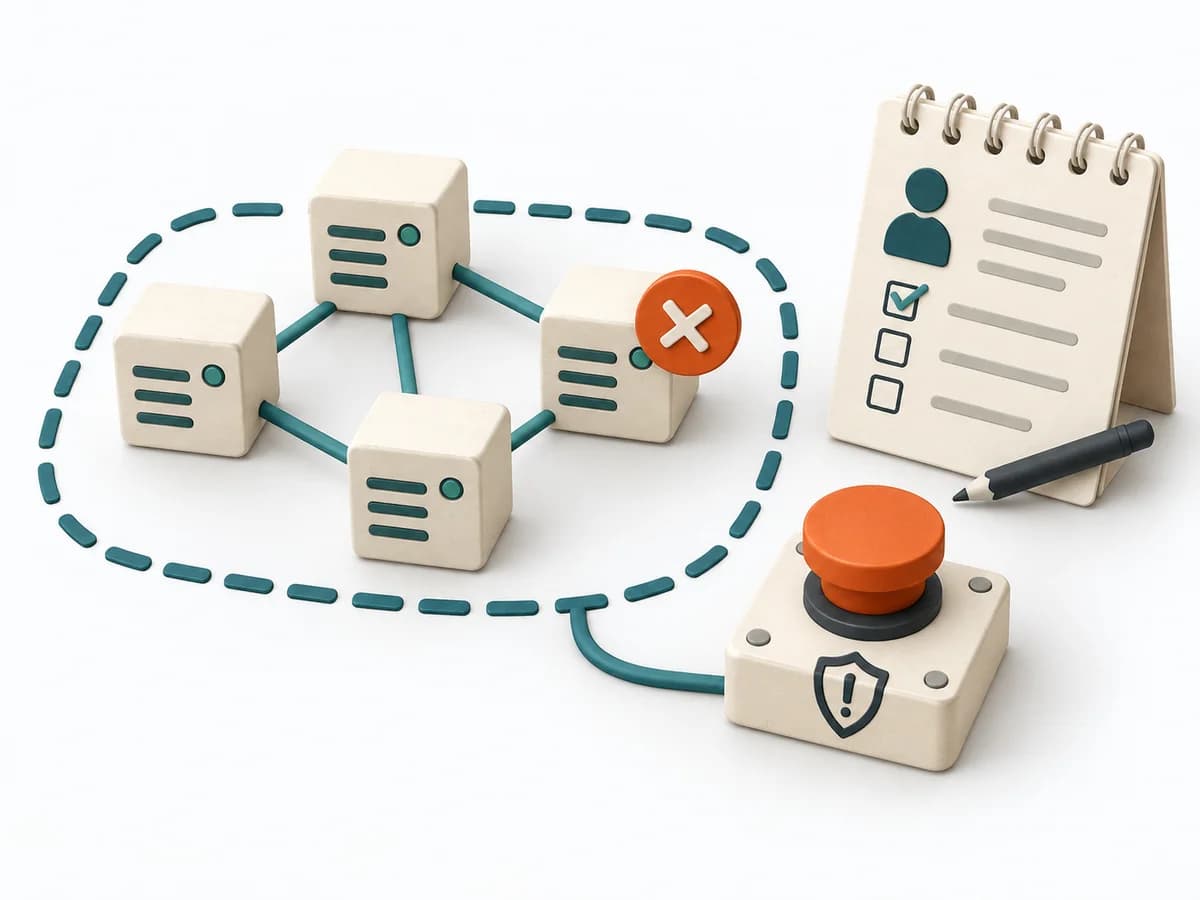 DevOps Game Day | 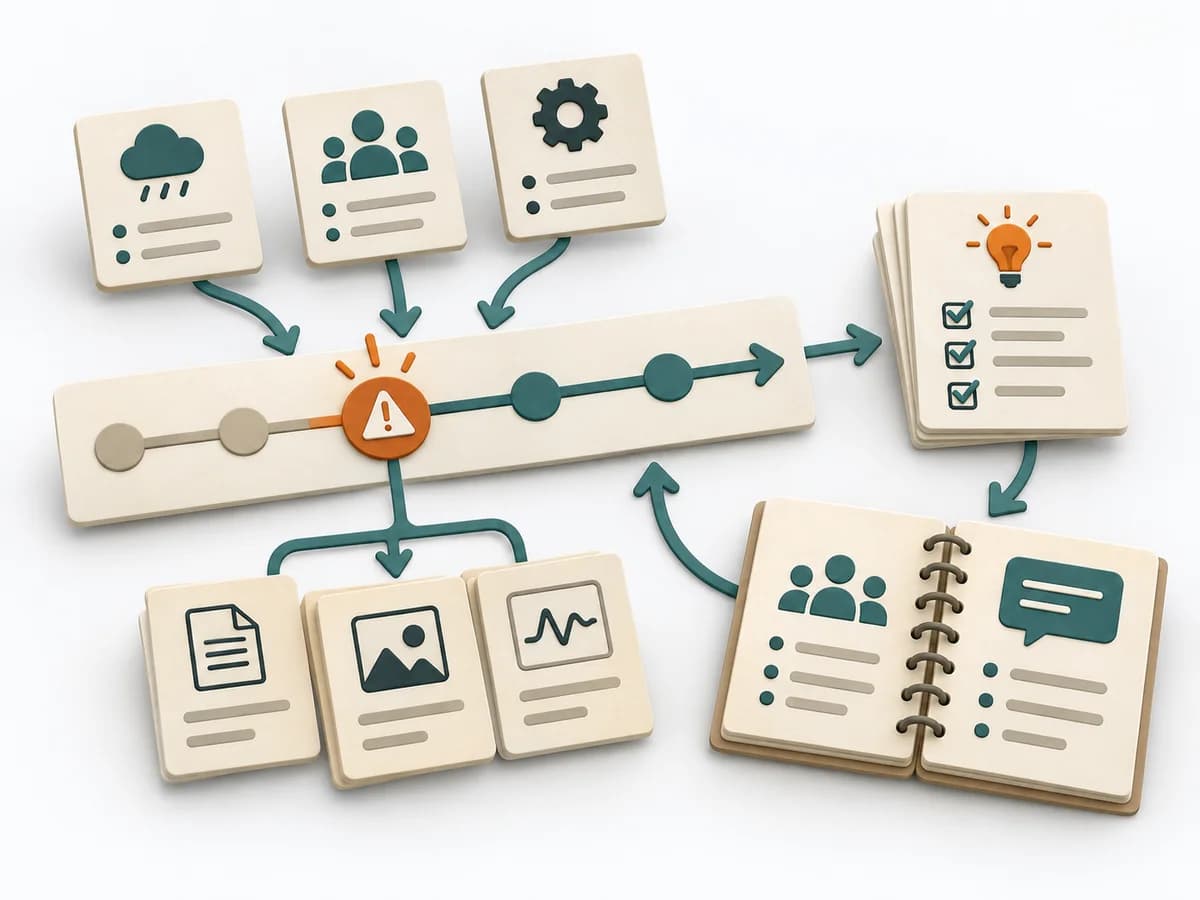 DevOps Blameless Postmortem | 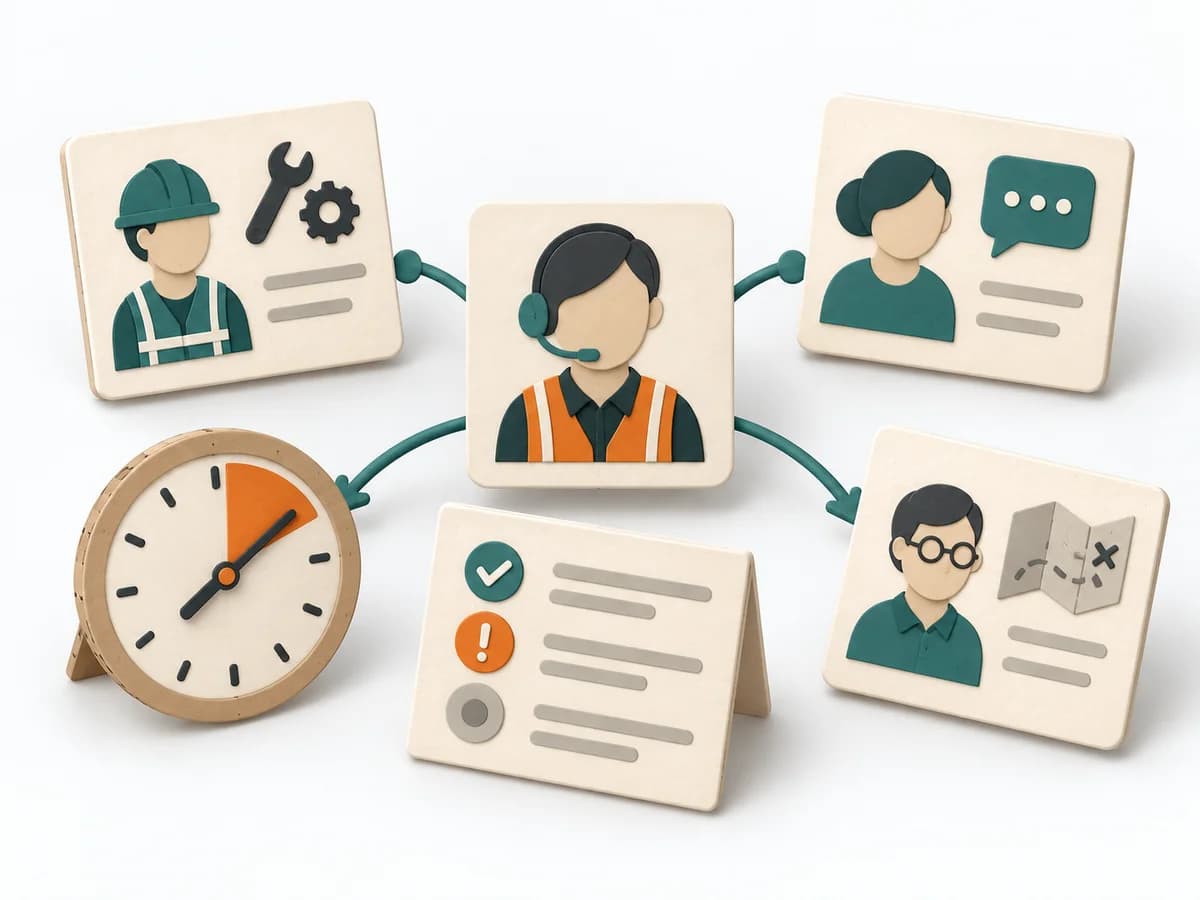 DevOps Incident Command |
|---|---|---|---|---|
Purposedifferent | Value Chain Analysis shows where value is created, costs accrue, and differentiation becomes possible along the process. It compares strengths, risks, market logic, and courses of action. The result is captured as a value-chain map and lever list. | In preparing for rare incidents, the method tests response capability under controlled conditions. It shows where assumptions about stability, roles, and recovery are too optimistic. | After an incident with damage or a near miss, the method creates a sober field for learning without assigning blame. It directs attention to the course of events, conditions, and effective countermeasures. | During an acute incident with several people involved, the method creates a clear leadership and communication structure. It reduces chaos when fast coordination and clean situational awareness are both needed at once. |
Complexitydifferent | High | High | Medium | Medium |
Timedifferent | Half day | Halber Tag | 30-90 min | As needed |
Participantsdifferent | 3-8 | 5-20 | 3-12 | 4-15 |
Formatdifferent | Workshop | Workshop | Workshop + async | Workshop + async |
Outputdifferent | Value Chain Map, Lever List | Simulation Notes, Gaps List, Updated Runbooks | Postmortem Doc, Action Items, Timeline | Incident Log, Action Tracker, Stakeholder Updates |
Tagsno overlap | StrategyBusiness modelDiagnosisAnalysis | ResilienceOperationsIncident | Site Reliability EngineeringIncidentLearningReliability | IncidentOperationsReliability |