View methods side by side.
Choose up to four methods. Add them using the search and share the comparison by copying its link.
| Criterion |  UX Research User Interviews | 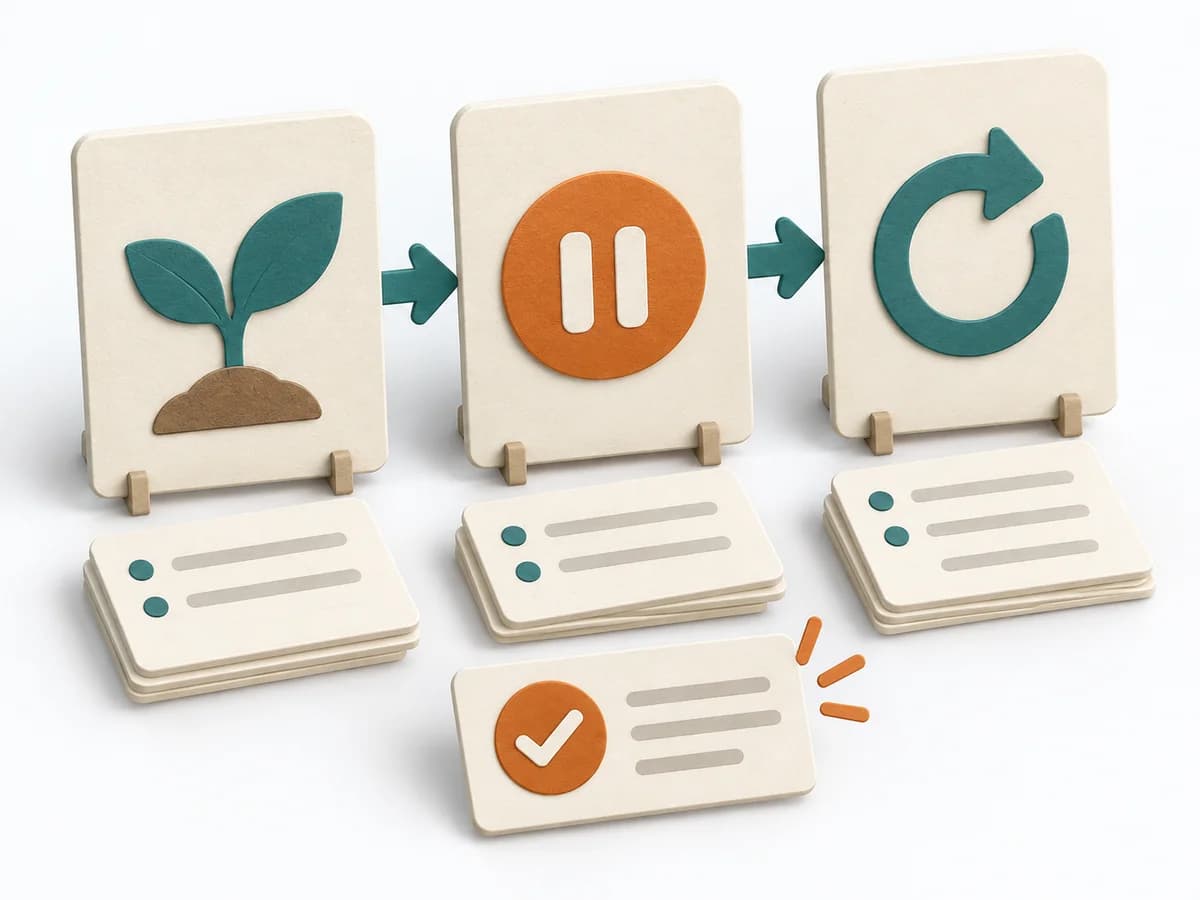 Agile Start Stop Continue | 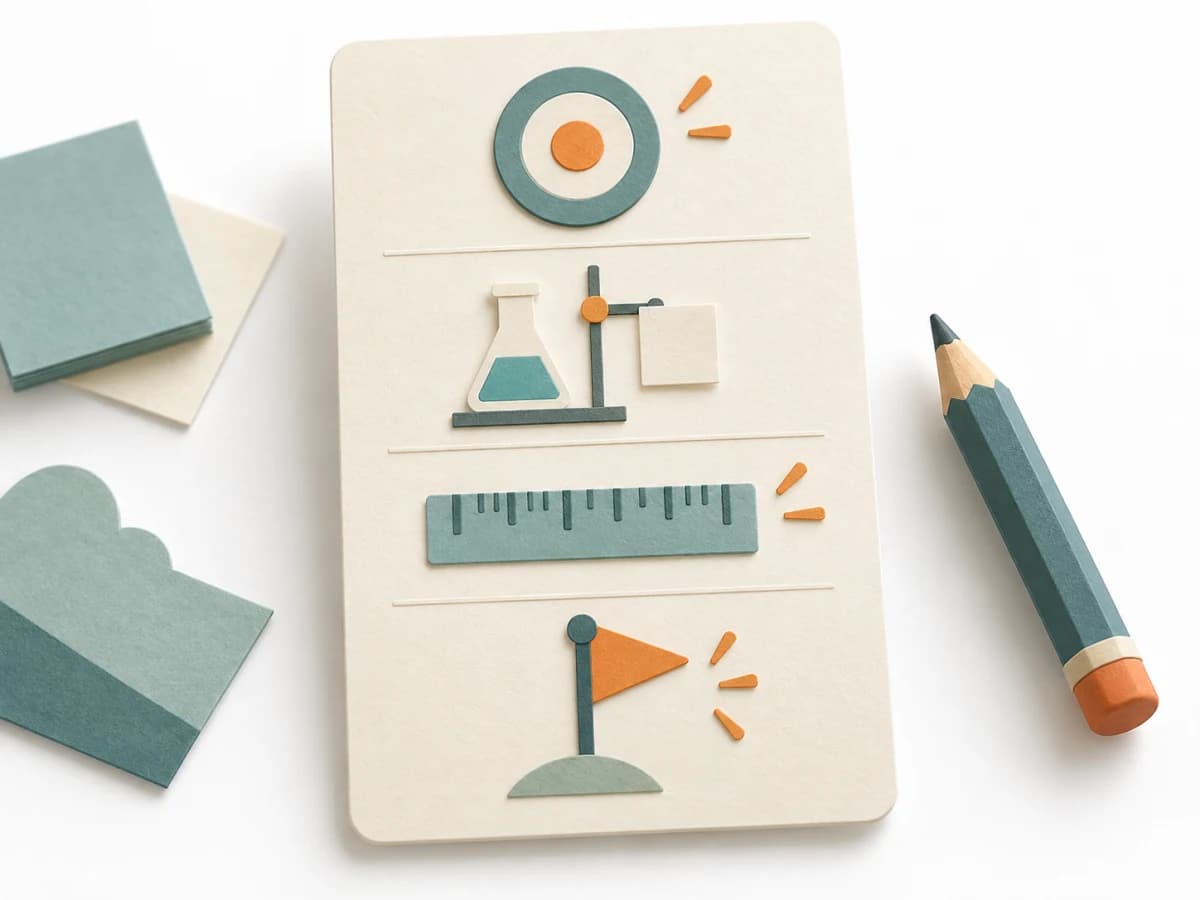 Product Discovery Test Card | 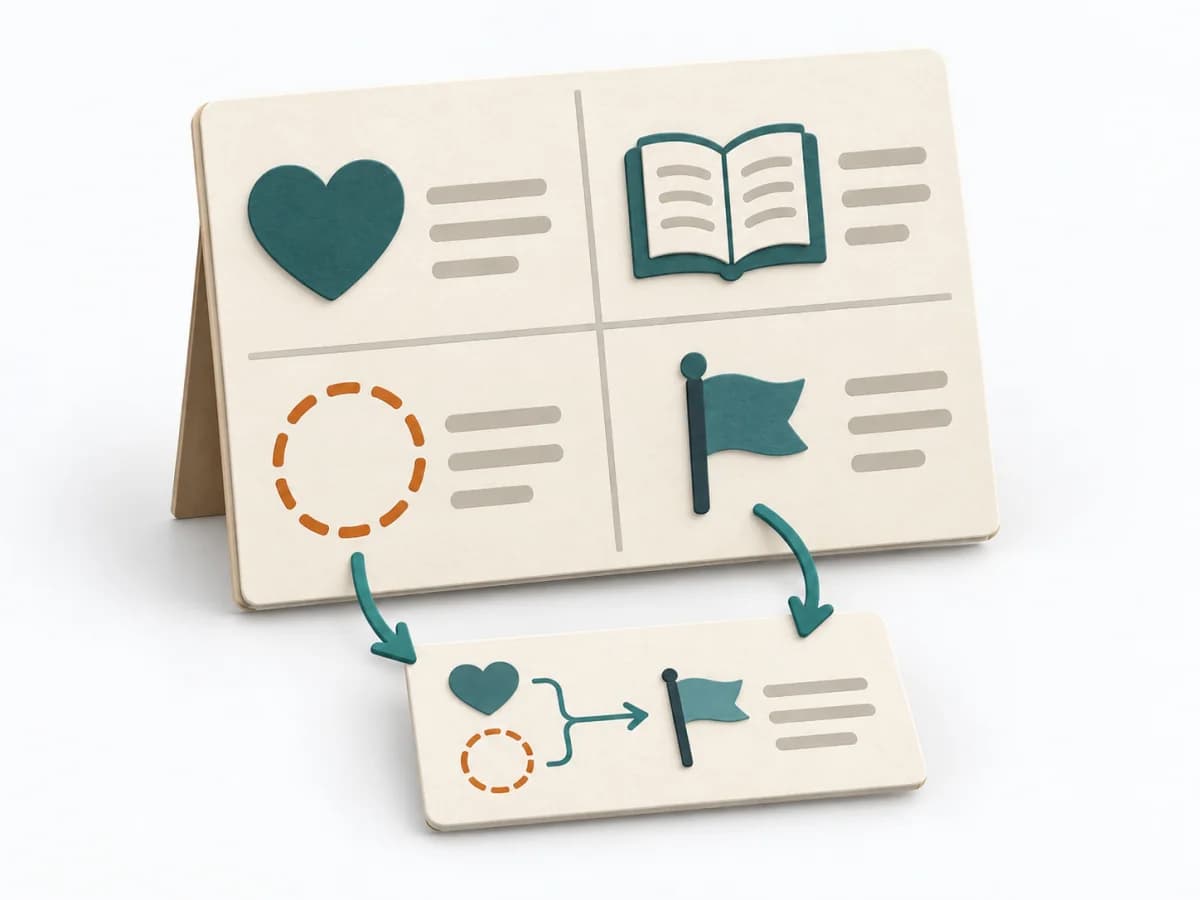 Agile 4Ls Retrospective |
|---|---|---|---|---|
Purposedifferent | When teams derive needs only from assumptions and real motives are missing, user interviews give direct access to behavior and meaning. Conversations from the target group's everyday life make patterns, tensions, and open questions solidly visible. | When a team wants to deliberately adjust its working behavior, it makes habits visible and assessable. It focuses on concrete changes instead of diffuse mood. | The Test Card turns a critical assumption into a testable claim and specifies in advance which result counts as success. | When a sprint should not only be assessed but also learned from, it captures experience in clear learning categories. It records what worked, what's missing, and what should run differently next time. |
Complexitysame | Low | Low | Low | Low |
Timedifferent | 30–60 min per interview | 30-60 min | 20-35 min | 45–75 min |
Participantsdifferent | 1 participant per interview | 3-12 | 1-5 | Team members involved |
Formatdifferent | Workshop + async | Workshop | Workshop + async | Workshop |
Outputdifferent | Interview Notes, Themes, Insight Summary | Start Stop Continue Board, Improvement Actions | Test Card with a pre-set threshold | 4Ls Board, Learning Themes, Improvement Actions |
Tagsno overlap | QualitativeResearchCustomerDiscovery | RetrospectiveImprovementTeamReflection | ExperimentsValidationDiscoveryHypothesis | RetrospectiveLearningReflectionTeam |