View methods side by side.
Choose up to four methods. Add them using the search and share the comparison by copying its link.
| Criterion |  UX Research User Interviews | 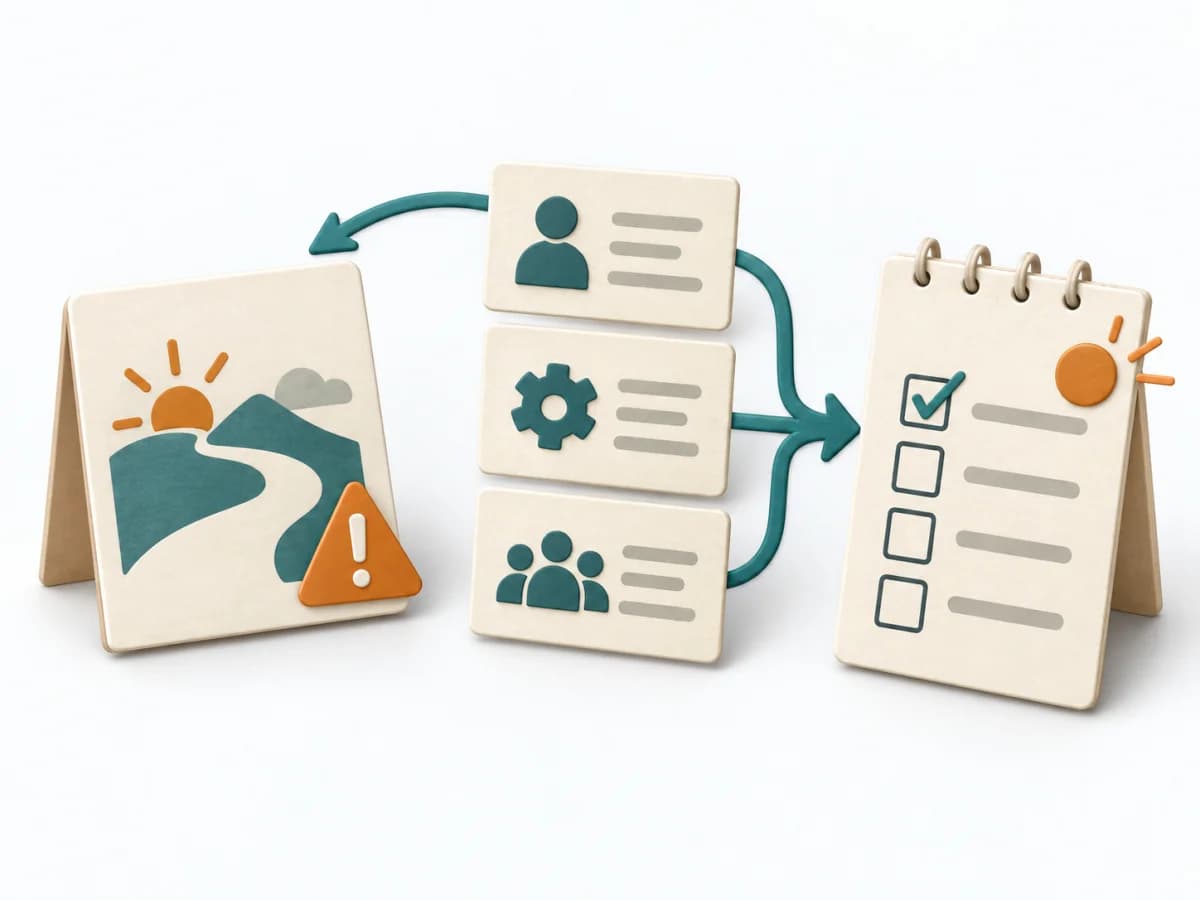 Decision Making Pre-Mortem | 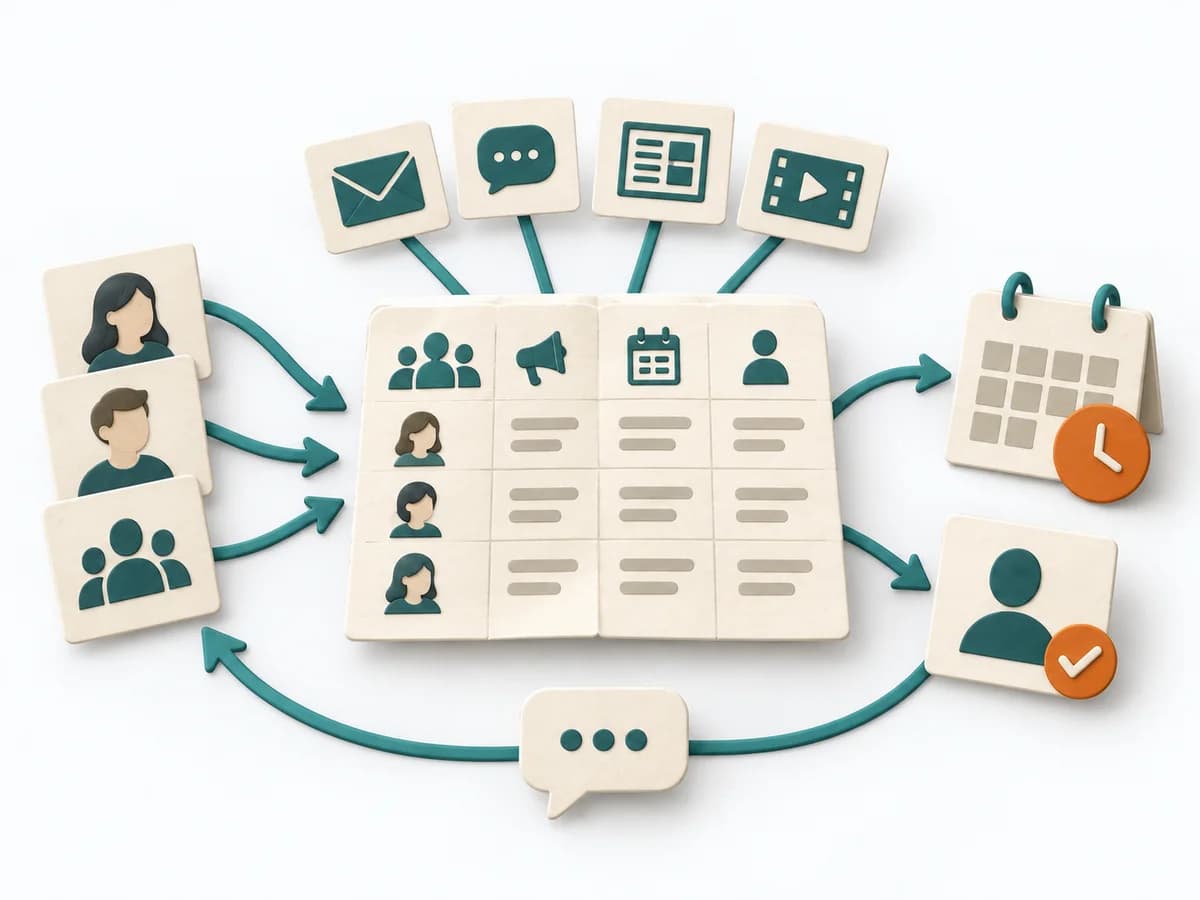 Delivery Communication Plan | 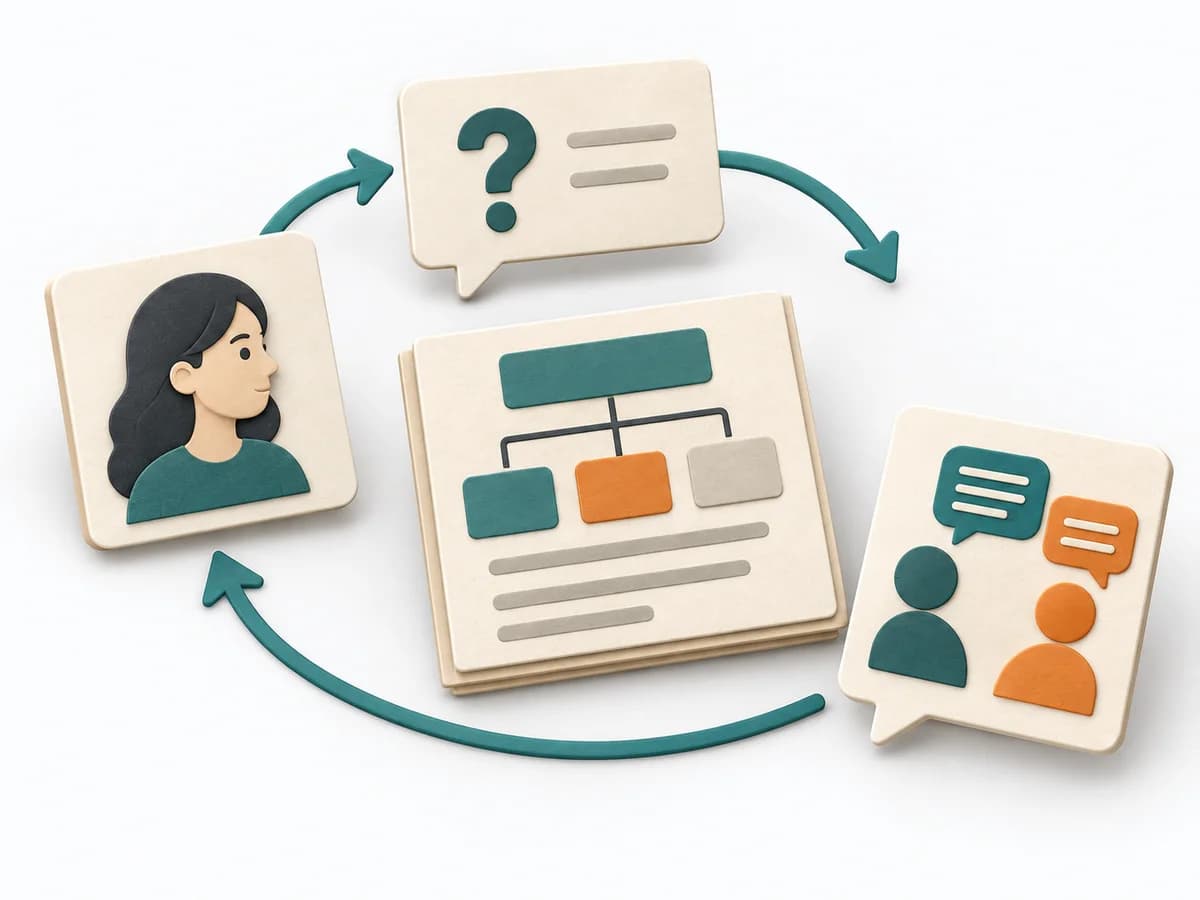 Architecture Architecture Communication Canvas |
|---|---|---|---|---|
Purposedifferent | When teams derive needs only from assumptions and real motives are missing, user interviews give direct access to behavior and meaning. Conversations from the target group's everyday life make patterns, tensions, and open questions solidly visible. | In early initiatives with many uncertainties, planning quickly turns too optimistic. A pre-mortem makes the expected failure visible in advance and sharpens the view of causes, gaps, and countermeasures. | When many people need to be informed in parallel and messages would otherwise arrive unevenly or too late, a Communication Plan orders communication reliably. Channels, audiences, and cadences interlock so important information doesn't get lost. | The Architecture Communication Canvas plans architecture communication so the right people receive the right message. The method turns technical complexity into deliberate communication design. |
Complexitydifferent | Low | Low | Low | Medium |
Timedifferent | 30–60 min per interview | 20–45 min | 45-90 min | 60-120 min |
Participantsdifferent | 1 participant per interview | Small cross-functional group | 2-6 | 2-8 |
Formatdifferent | Workshop + async | Workshop | Workshop + async | Workshop + async |
Outputdifferent | Interview Notes, Themes, Insight Summary | Risk list, Mitigation plan, Assumption log | Communication Plan, Channel Matrix, Message Cadence | Communication Canvas, Stakeholder Messages, Architecture Communication Plan |
Tagsno overlap | QualitativeResearchCustomerDiscovery | RiskDecisionFailurePlanning | CommunicationStakeholdersDeliveryPlanning | ArchitectureCommunicationStakeholdersCanvas |