View methods side by side.
Choose up to four methods. Add them using the search and share the comparison by copying its link.
| Criterion |  UX Research User Interviews | 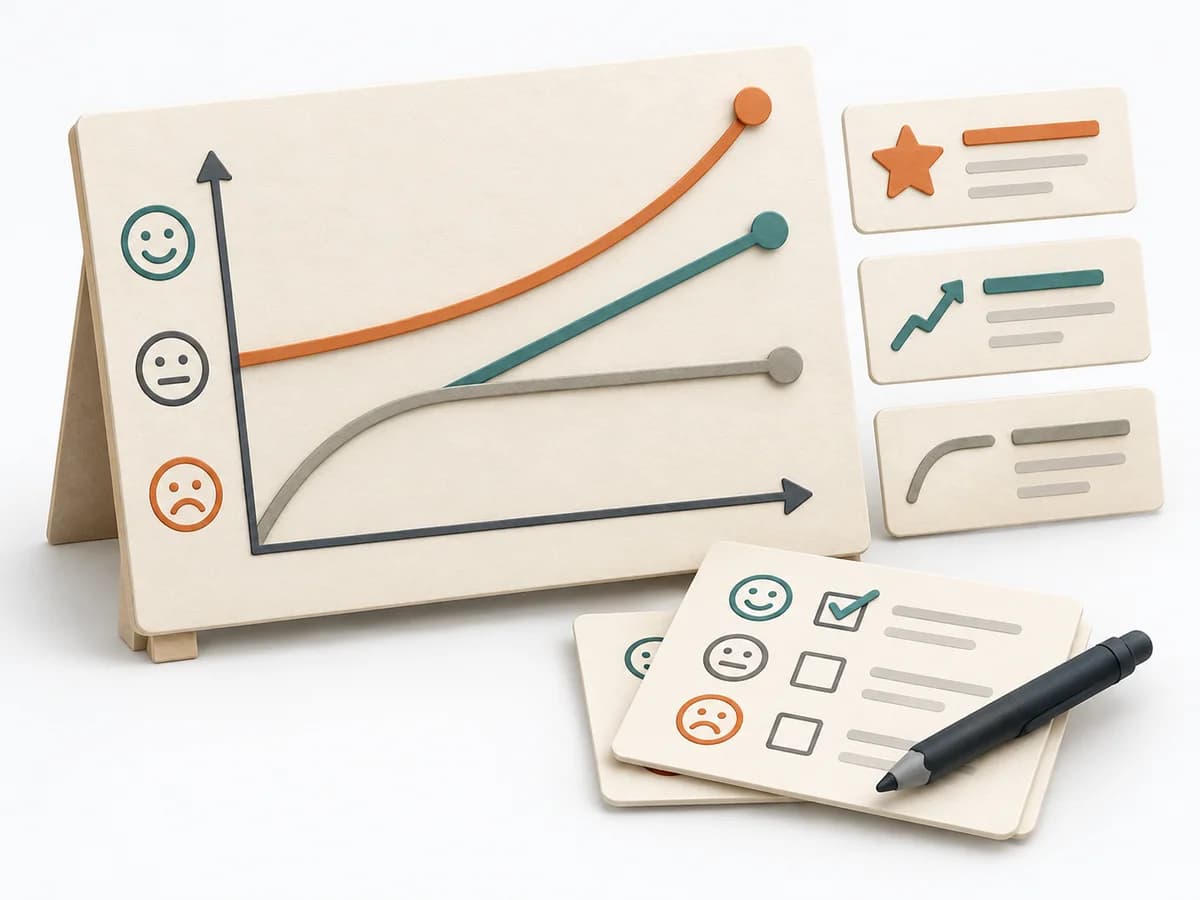 Product Discovery Kano Model | 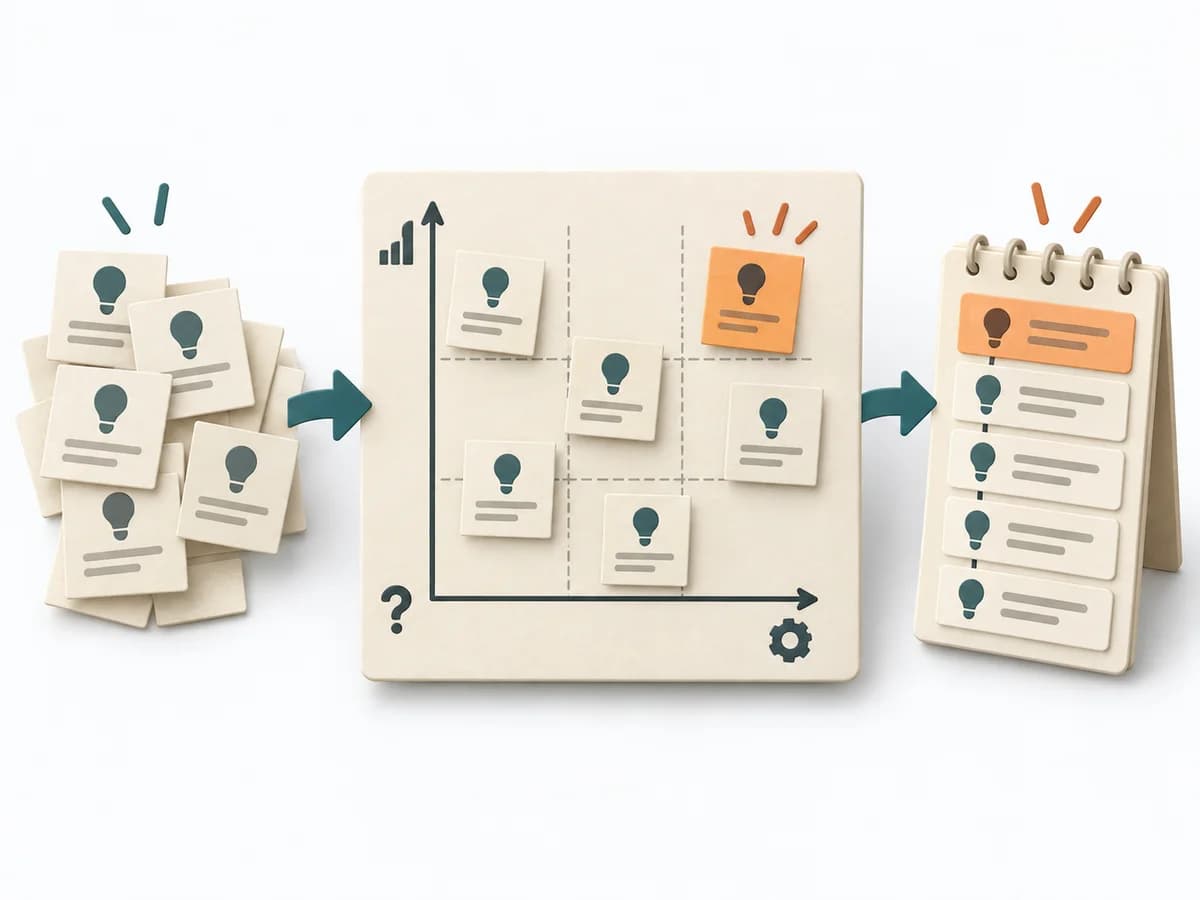 Product Discovery Hypothesis Prioritization Canvas | 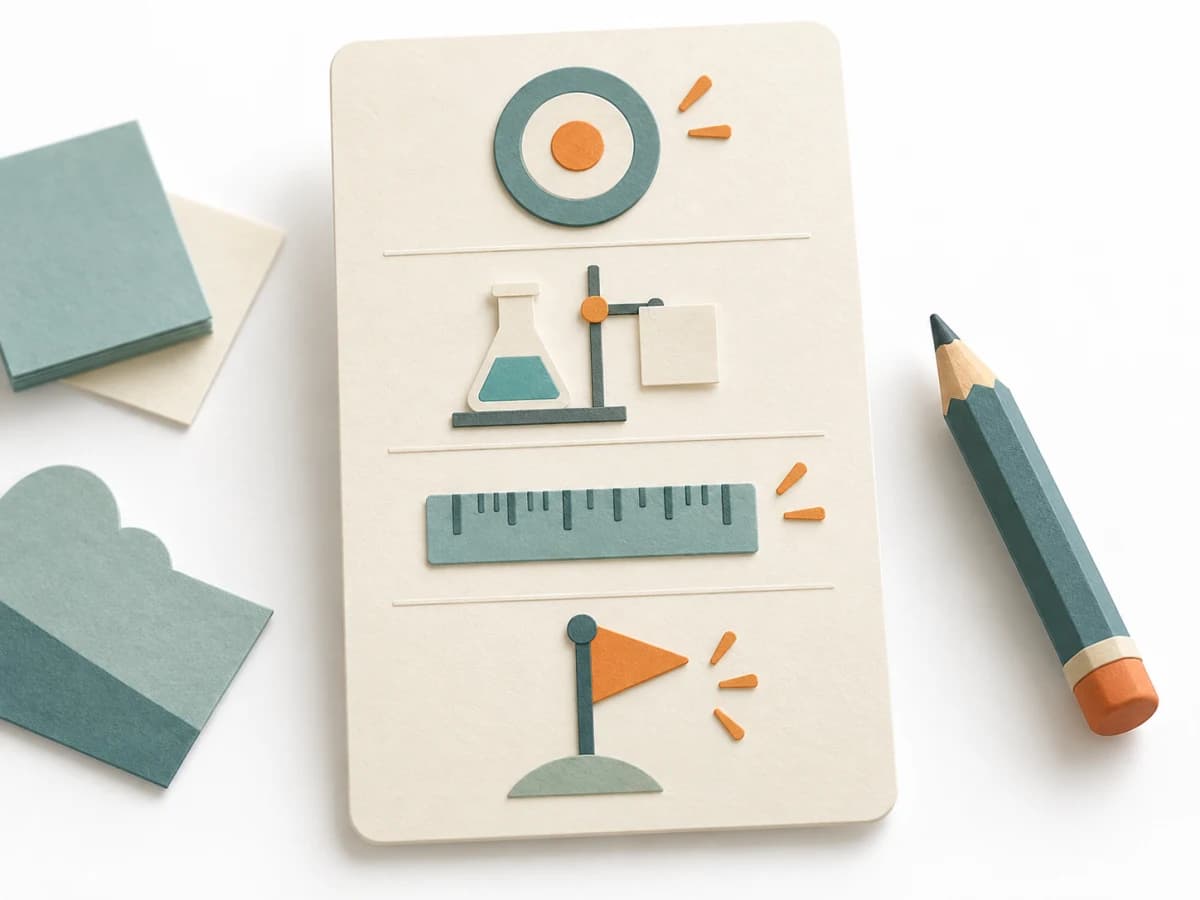 Product Discovery Test Card |
|---|---|---|---|---|
Purposedifferent | When teams derive needs only from assumptions and real motives are missing, user interviews give direct access to behavior and meaning. Conversations from the target group's everyday life make patterns, tensions, and open questions solidly visible. | When features need to be distinguished by their effect on satisfaction, it makes expectations and surprises comparable. It separates basic needs, performance contribution, and delight. | When many hypotheses compete for attention, it brings order to their learning sequence and importance. It separates problem, assumption, solution, and evidence. The result is captured as a prioritization canvas and a hypothesis backlog. | The Test Card turns a critical assumption into a testable claim and specifies in advance which result counts as success. |
Complexitydifferent | Low | Medium | Medium | Low |
Timedifferent | 30–60 min per interview | 1-2 Tage | 60-90 min | 20-35 min |
Participantsdifferent | 1 participant per interview | 10-50 | 3-8 | 1-5 |
Formatdifferent | Workshop + async | Workshop + async | Workshop | Workshop + async |
Outputdifferent | Interview Notes, Themes, Insight Summary | Kano Matrix, Feature Classes, Priority Themes | Prioritization Canvas, Hypothesis Backlog | Test Card with a pre-set threshold |
Tagsno overlap | QualitativeResearchCustomerDiscovery | SatisfactionPrioritizationCustomer | ExperimentsPrioritizationDiscoveryHypothesis | ExperimentsValidationDiscoveryHypothesis |