View methods side by side.
Choose up to four methods. Add them using the search and share the comparison by copying its link.
| Criterion |  UX Research User Interviews | 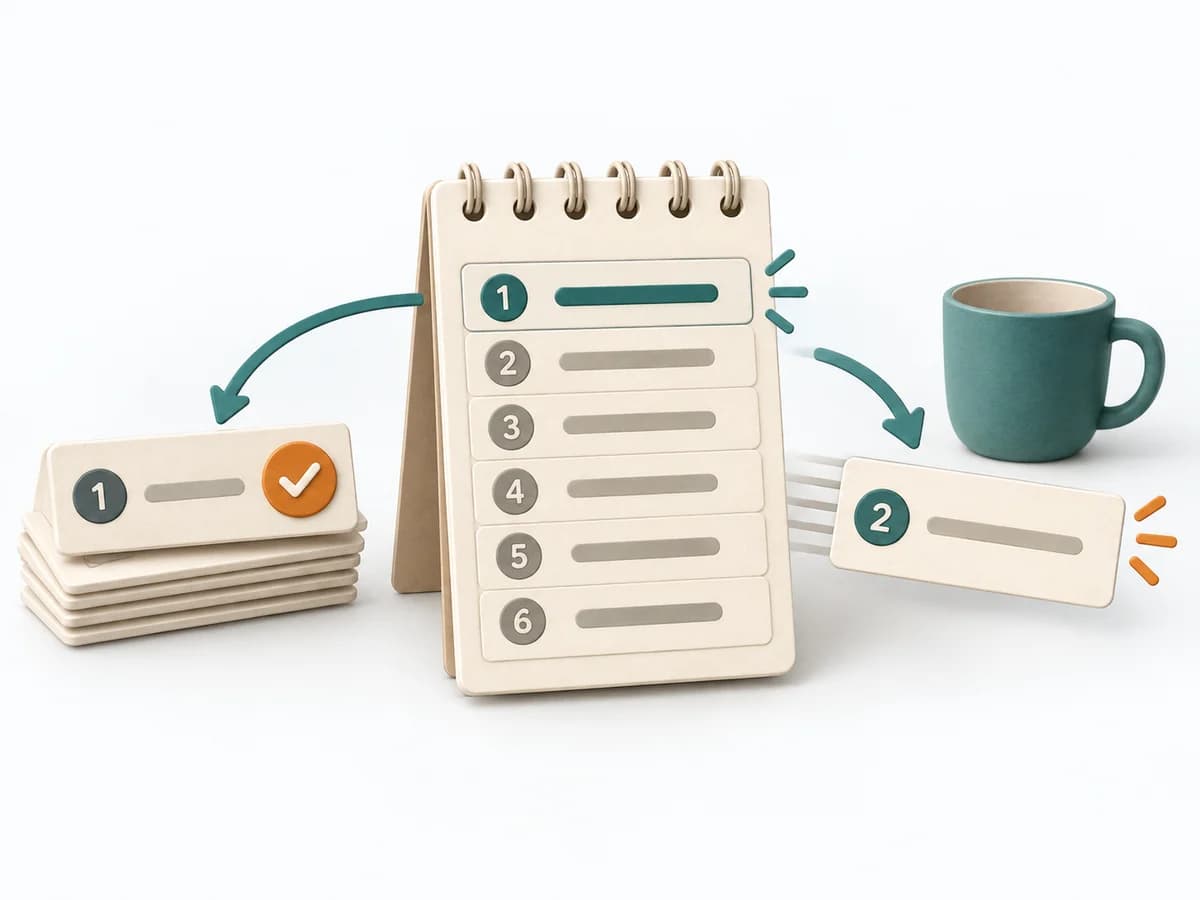 Operations Ivy Lee Method |  Operations Root Cause Analysis | 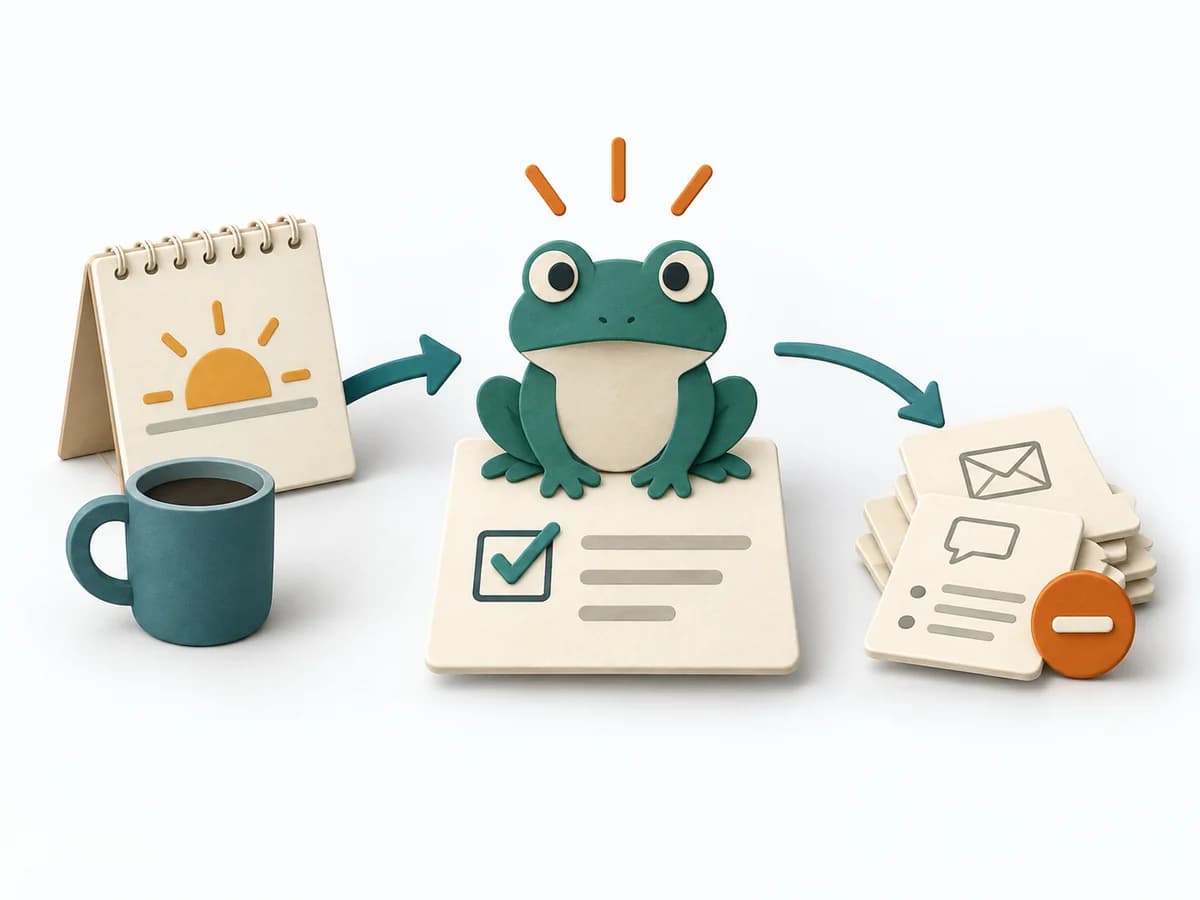 Operations Eat the Frog |
|---|---|---|---|---|
Purposedifferent | When teams derive needs only from assumptions and real motives are missing, user interviews give direct access to behavior and meaning. Conversations from the target group's everyday life make patterns, tensions, and open questions solidly visible. | With a restless workday full of too many open items, the method creates radical simplicity. It directs attention to a short sequence instead of a broad, still-open field. | When a problem keeps recurring and the cause stays unclear, the method exposes the underlying mechanism. It separates symptom, guess, and robust explanation from one another. | The method protects energy and attention for the task that creates the largest progress and is often postponed. |
Complexitydifferent | Low | Low | Medium | Low |
Timedifferent | 30–60 min per interview | 5-10 min daily | 1-4 h | 15-90 min daily |
Participantsdifferent | 1 participant per interview | 1 | 3-8 | 1 |
Formatdifferent | Workshop + async | Async | Workshop + async | Async |
Outputdifferent | Interview Notes, Themes, Insight Summary | Daily Priority List, Completion Notes | Problem Statement, Cause Hypotheses, Confirmed Causes, Action Plan | Priority Task, Completion Note, Daily Focus |
Tagsno overlap | QualitativeResearchCustomerDiscovery | PrioritizationProductivityExecution | Root causeProblem solvingQualityIncident | PrioritizationProductivityFocusExecution |