View methods side by side.
Choose up to four methods. Add them using the search and share the comparison by copying its link.
| Criterion | 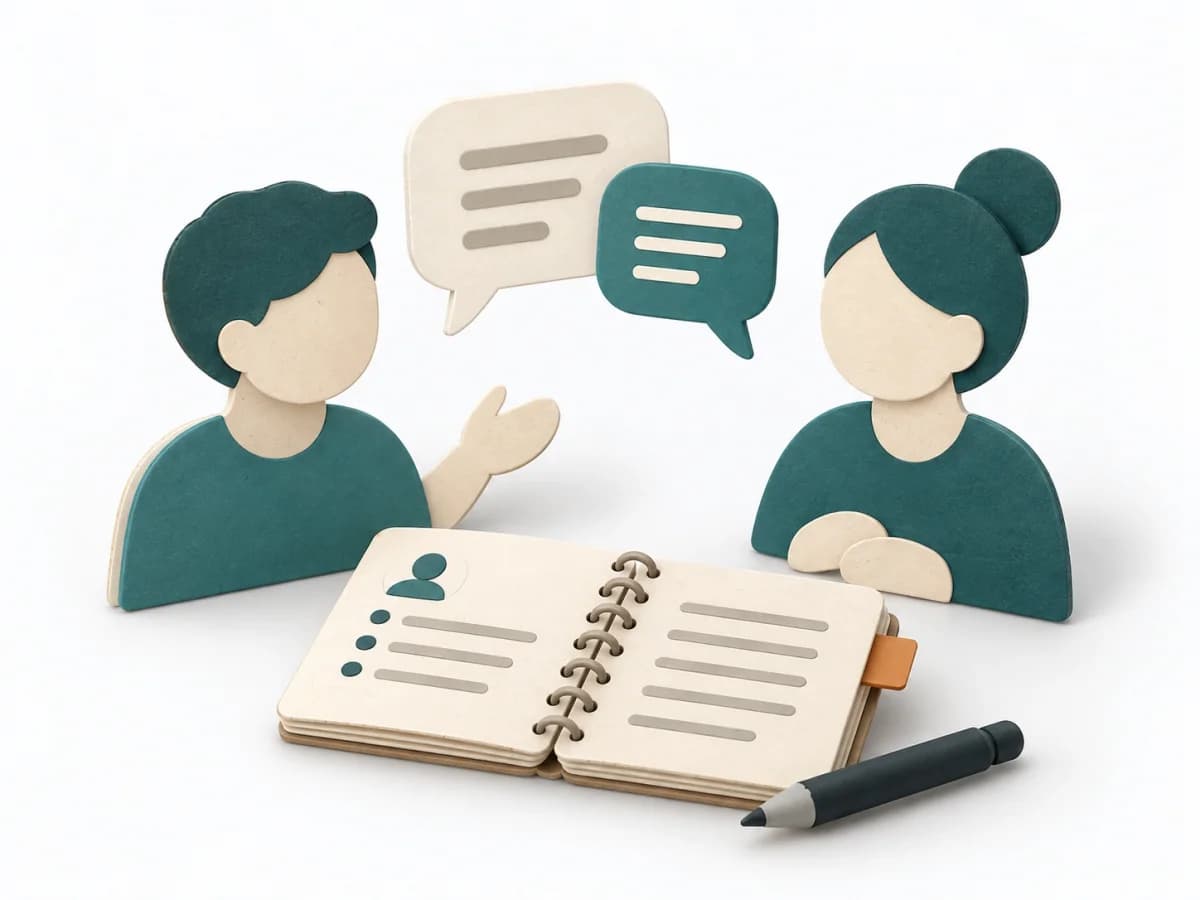 UX Research User Interviews | 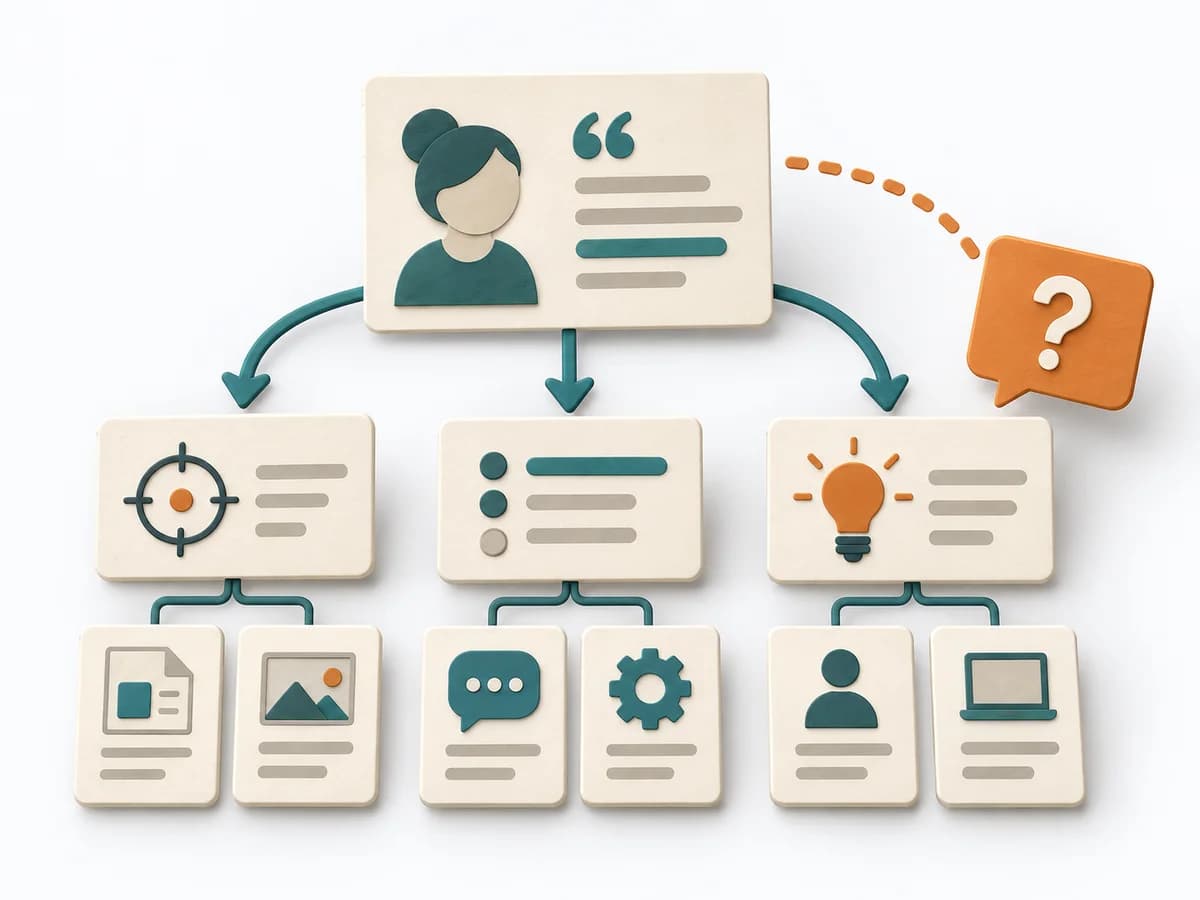 Agile Example Mapping | 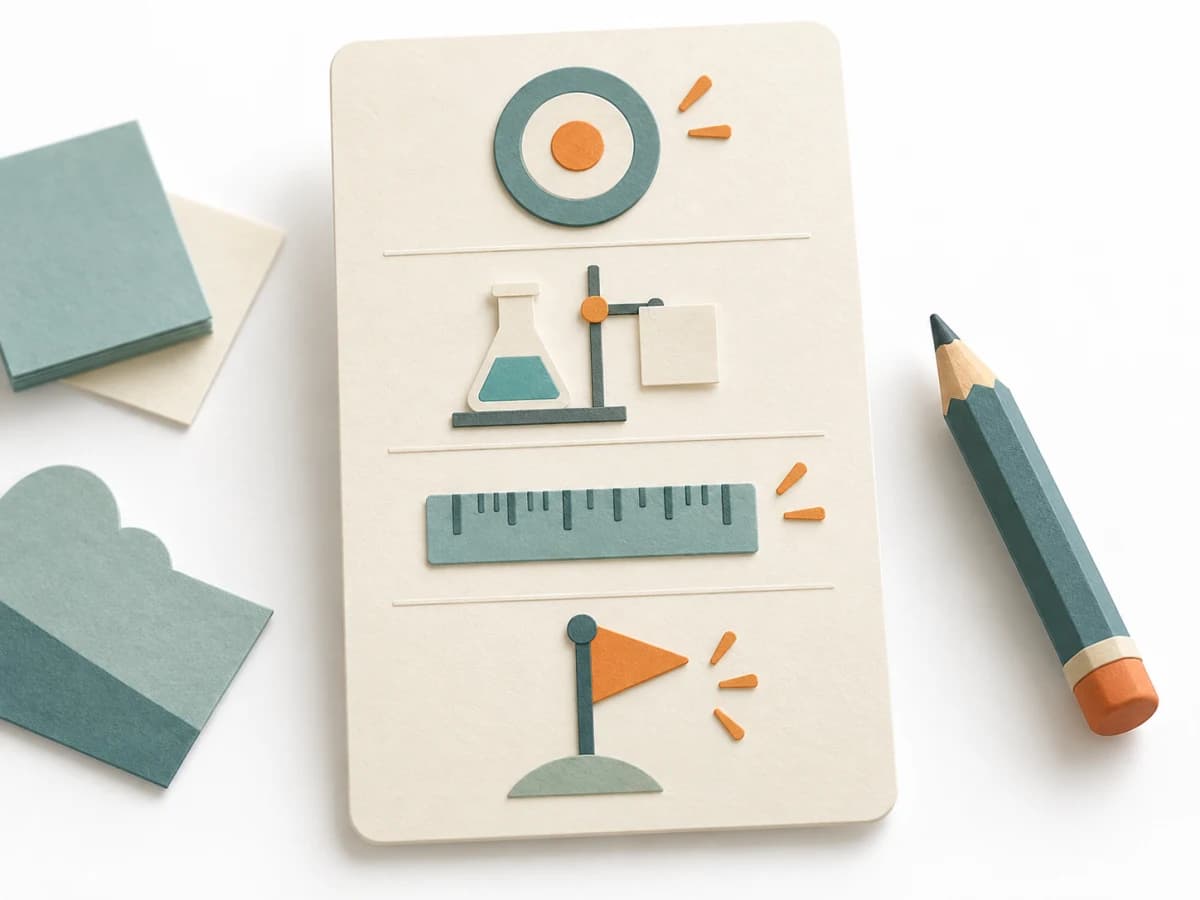 Product Discovery Test Card | 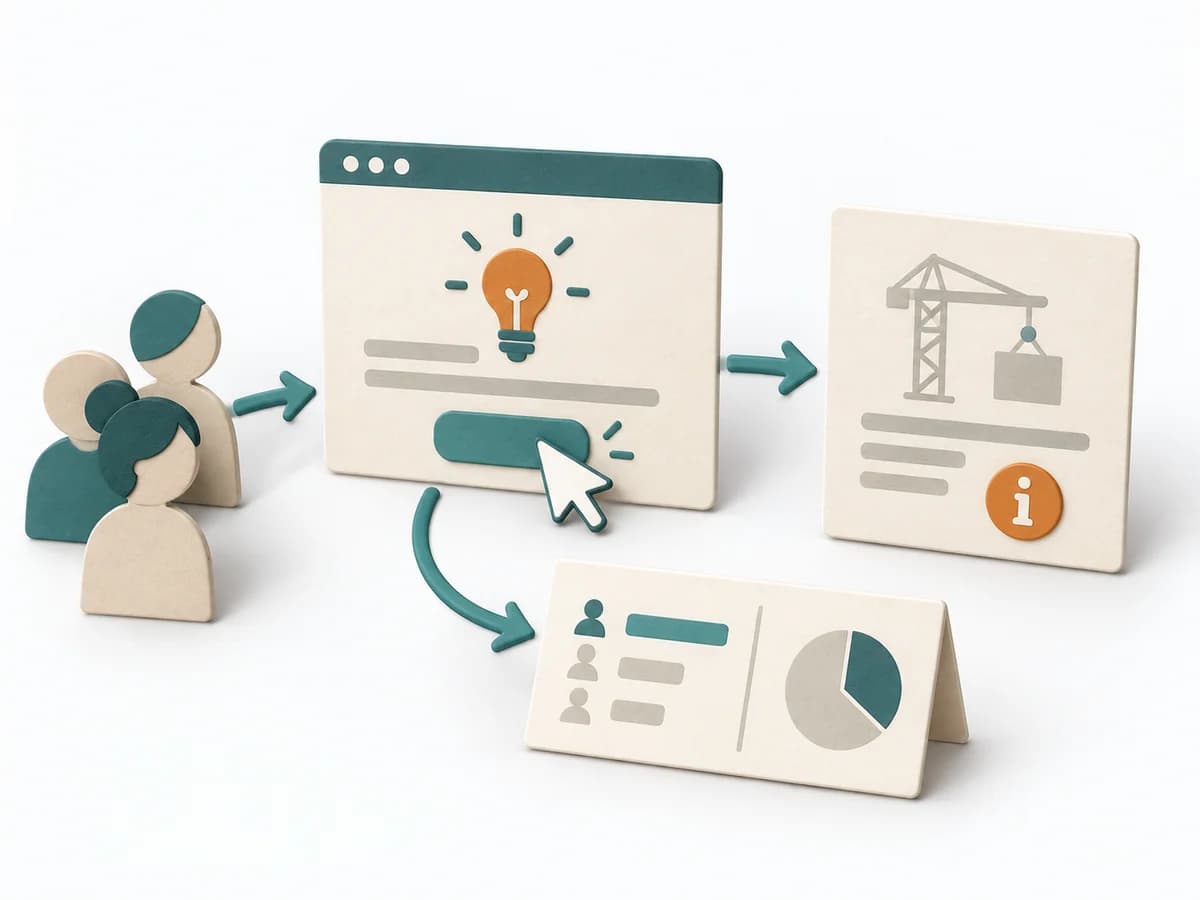 Product Discovery Fake Door Test |
|---|---|---|---|---|
Purposedifferent | When teams derive needs only from assumptions and real motives are missing, user interviews give direct access to behavior and meaning. Conversations from the target group's everyday life make patterns, tensions, and open questions solidly visible. | When a story carries business rules and exceptions, it brings clarity before implementation. It makes examples, open questions, and boundaries visible enough that the logic becomes jointly sound. | The Test Card turns a critical assumption into a testable claim and specifies in advance which result counts as success. | When demand is still unclear, it measures interest in a feature before it is built. It separates real behavior from polite agreement and deliberately keeps build effort small. |
Complexitydifferent | Low | Low | Low | Medium |
Timedifferent | 30–60 min per interview | 30-60 min | 20-35 min | 1-5 Tage |
Participantsdifferent | 1 participant per interview | 3-7 | 1-5 | Nutzertraffic |
Formatdifferent | Workshop + async | Workshop | Workshop + async | Async |
Outputdifferent | Interview Notes, Themes, Insight Summary | Example Map, Acceptance Criteria, Open Questions | Test Card with a pre-set threshold | Click Data, Interest Signal, Learning Decision |
Tagsno overlap | QualitativeResearchCustomerDiscovery | Behavior-Driven DevelopmentRequirementsExamplesRefinement | ExperimentsValidationDiscoveryHypothesis | ValidationExperimentsDemandDiscovery |