View methods side by side.
Choose up to four methods. Add them using the search and share the comparison by copying its link.
| Criterion | 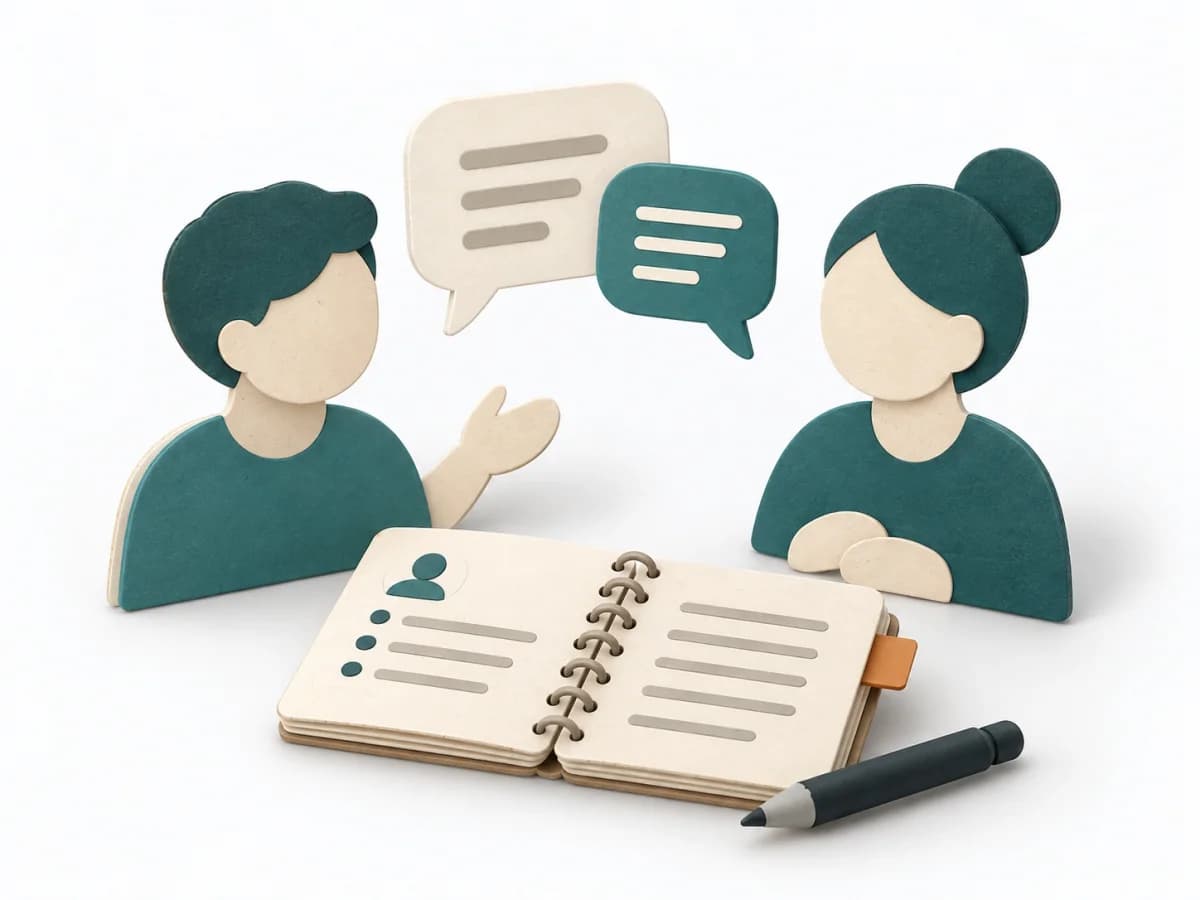 UX Research User Interviews | 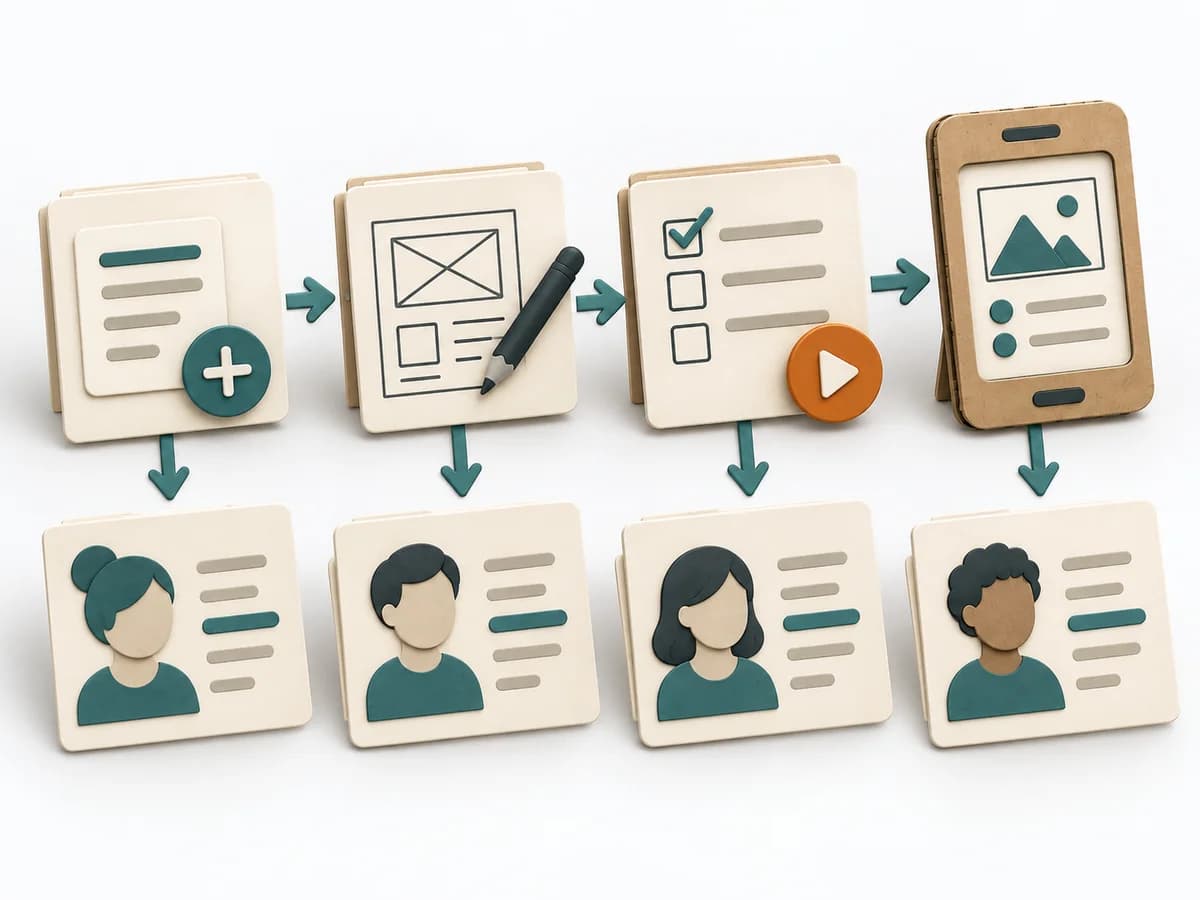 Knowledge Modeling Event Modeling | 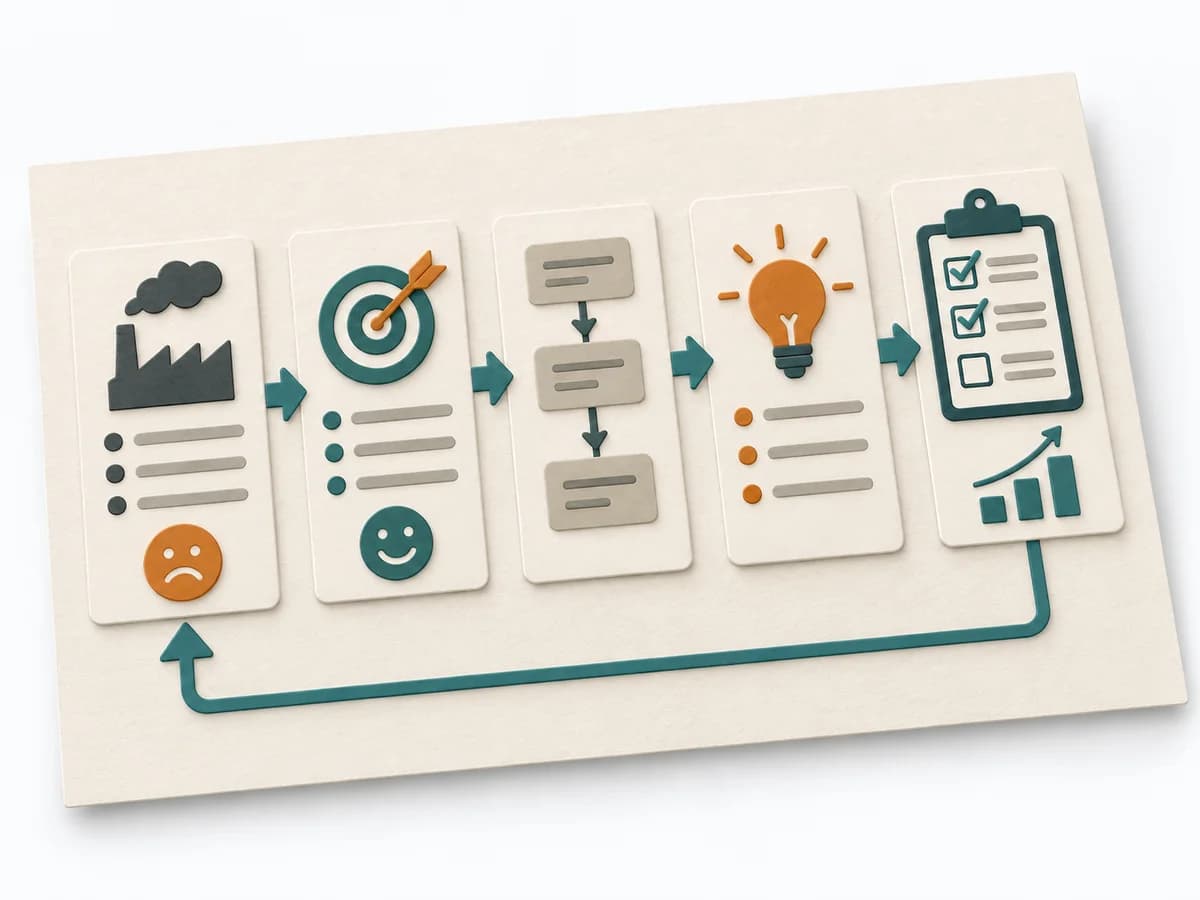 Operations A3 Problem Solving | 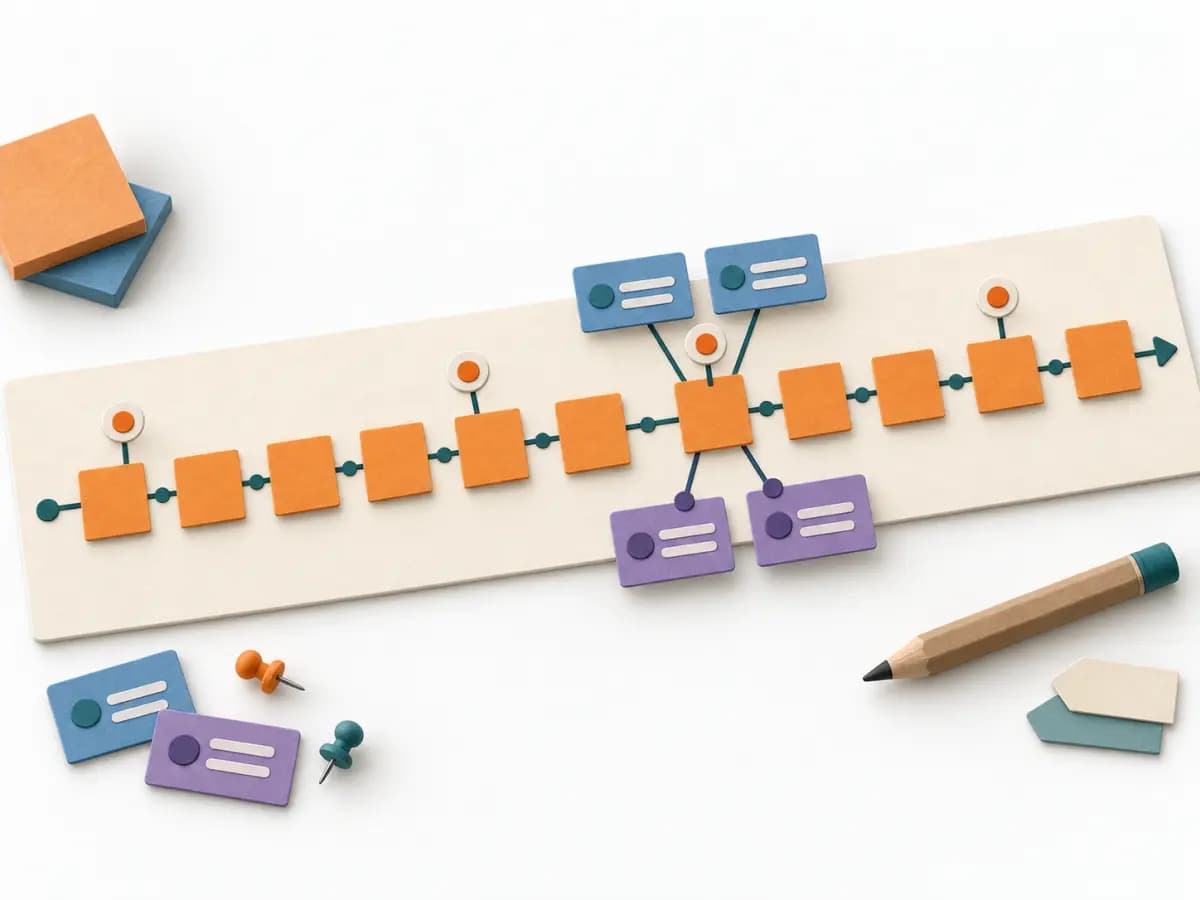 Domain Modeling EventStorming |
|---|---|---|---|---|
Purposedifferent | When teams derive needs only from assumptions and real motives are missing, user interviews give direct access to behavior and meaning. Conversations from the target group's everyday life make patterns, tensions, and open questions solidly visible. | Event Modeling connects business workflows with commands, events, and views into one coherent mental model. It helps design behavior, UI, and technical slices from the same underlying logic. | For a complex deviation with several people involved, the method bundles problem, analysis, and decision onto one page. It creates a shared working space where causes, countermeasures, and follow-up fit together. | When a domain consists of many events, rules, and states, it creates a shared modeling space for the team. It bundles language, flows, and boundaries before domain knowledge fragments into siloed views. |
Complexitydifferent | Low | Medium | Medium | Medium |
Timedifferent | 30–60 min per interview | 2-6 h | 45-90 min | 2-8 h |
Participantsdifferent | 1 participant per interview | 2-8 | 2-5 | 5-12 |
Formatdifferent | Workshop + async | Workshop + async | Workshop + async | Workshop |
Outputdifferent | Interview Notes, Themes, Insight Summary | Event Model, UI Flow, Commands, Read Models | A3 Report, Action Plan, Root Cause Analysis | Event Timeline, Ubiquitous Language, Boundaries, Open Questions |
Tagsno overlap | QualitativeResearchCustomerDiscovery | EventsBlueprintDomain-Driven DesignBehavior | LeanProblem solvingCoachingOperations | Domain-Driven DesignEventsDiscoveryWorkshop |