View methods side by side.
Choose up to four methods. Add them using the search and share the comparison by copying its link.
| Criterion |  UX Research User Interviews |  Domain Modeling Context Map | 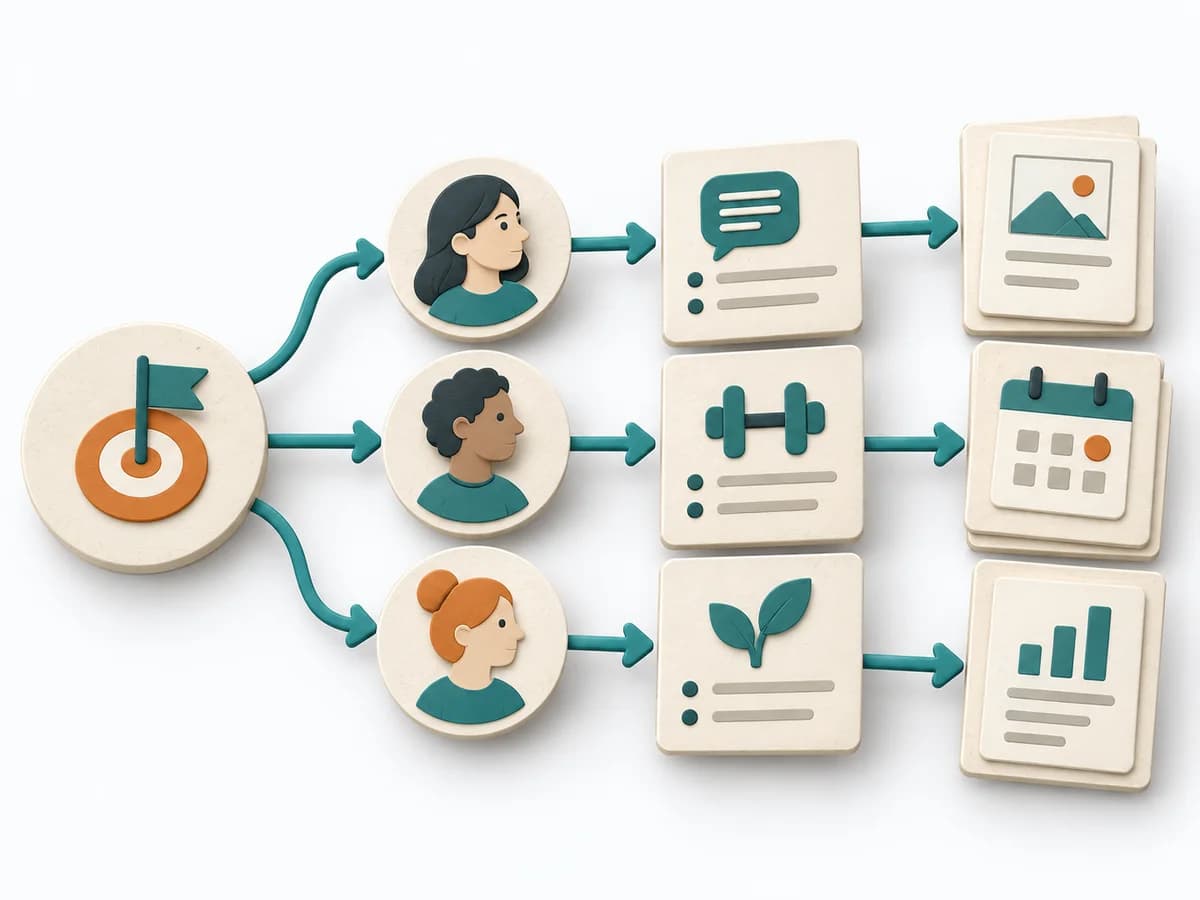 Product Strategy Impact Mapping | 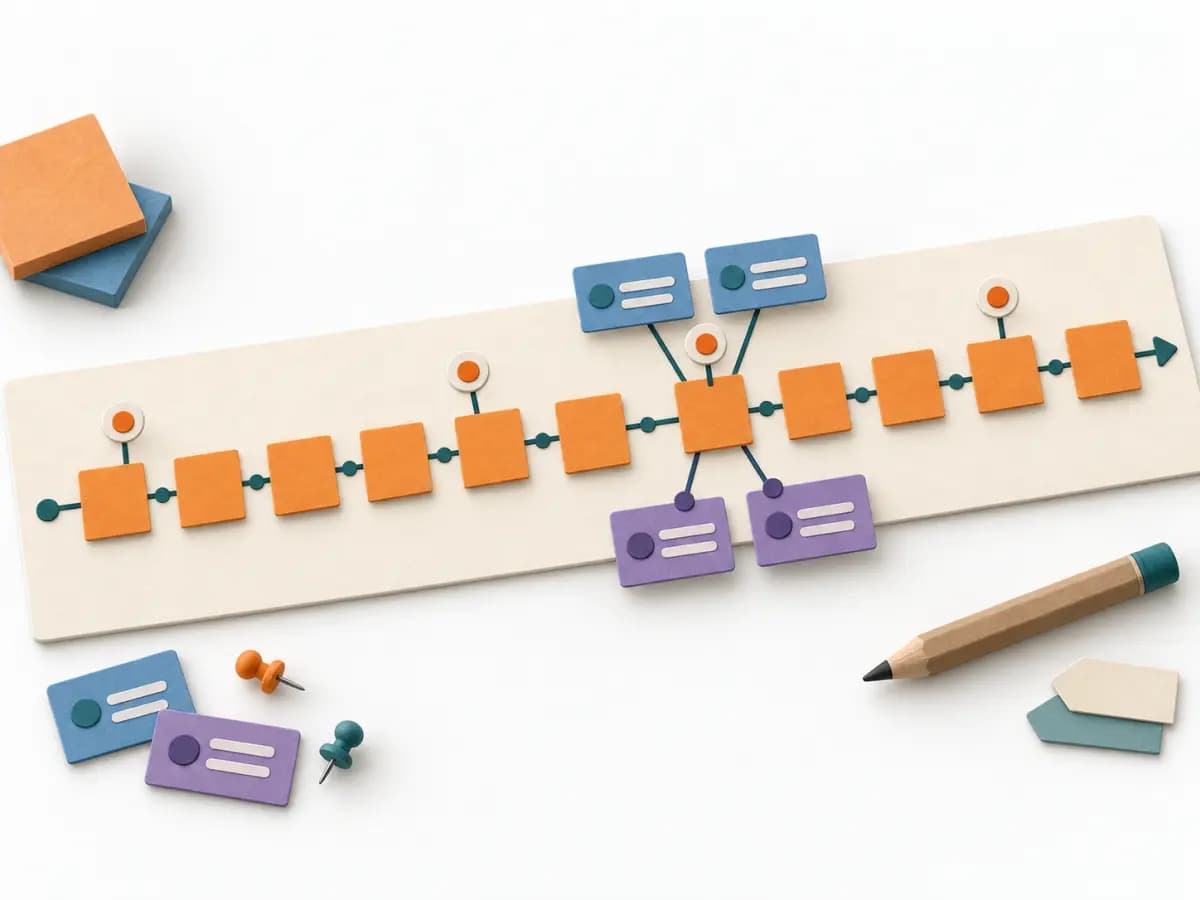 Domain Modeling EventStorming |
|---|---|---|---|---|
Purposedifferent | When teams derive needs only from assumptions and real motives are missing, user interviews give direct access to behavior and meaning. Conversations from the target group's everyday life make patterns, tensions, and open questions solidly visible. | When several contexts need to talk to each other, it makes their relationships and dependencies legible. It helps sort integration pressure and responsibilities across system boundaries. | When a goal needs to be connected to several possible paths, it shows chains of impact instead of feature lists. It connects business goal, behavior change, and measures. | When a domain consists of many events, rules, and states, it creates a shared modeling space for the team. It bundles language, flows, and boundaries before domain knowledge fragments into siloed views. |
Complexitydifferent | Low | Medium | Medium | Medium |
Timedifferent | 30–60 min per interview | 1-3 h | 45-90 min | 2-8 h |
Participantsdifferent | 1 participant per interview | 2-8 | 3-8 | 5-12 |
Formatdifferent | Workshop + async | Workshop + async | Workshop | Workshop |
Outputdifferent | Interview Notes, Themes, Insight Summary | Context Map, Integration Patterns, Boundary Notes | Impact Map, Outcome Hypotheses, Delivery Options | Event Timeline, Ubiquitous Language, Boundaries, Open Questions |
Tagsno overlap | QualitativeResearchCustomerDiscovery | Domain-Driven DesignBoundariesStrategy | OutcomesStrategyBehaviorPlanning | Domain-Driven DesignEventsDiscoveryWorkshop |