View methods side by side.
Choose up to four methods. Add them using the search and share the comparison by copying its link.
| Criterion |  UX Research User Interviews | 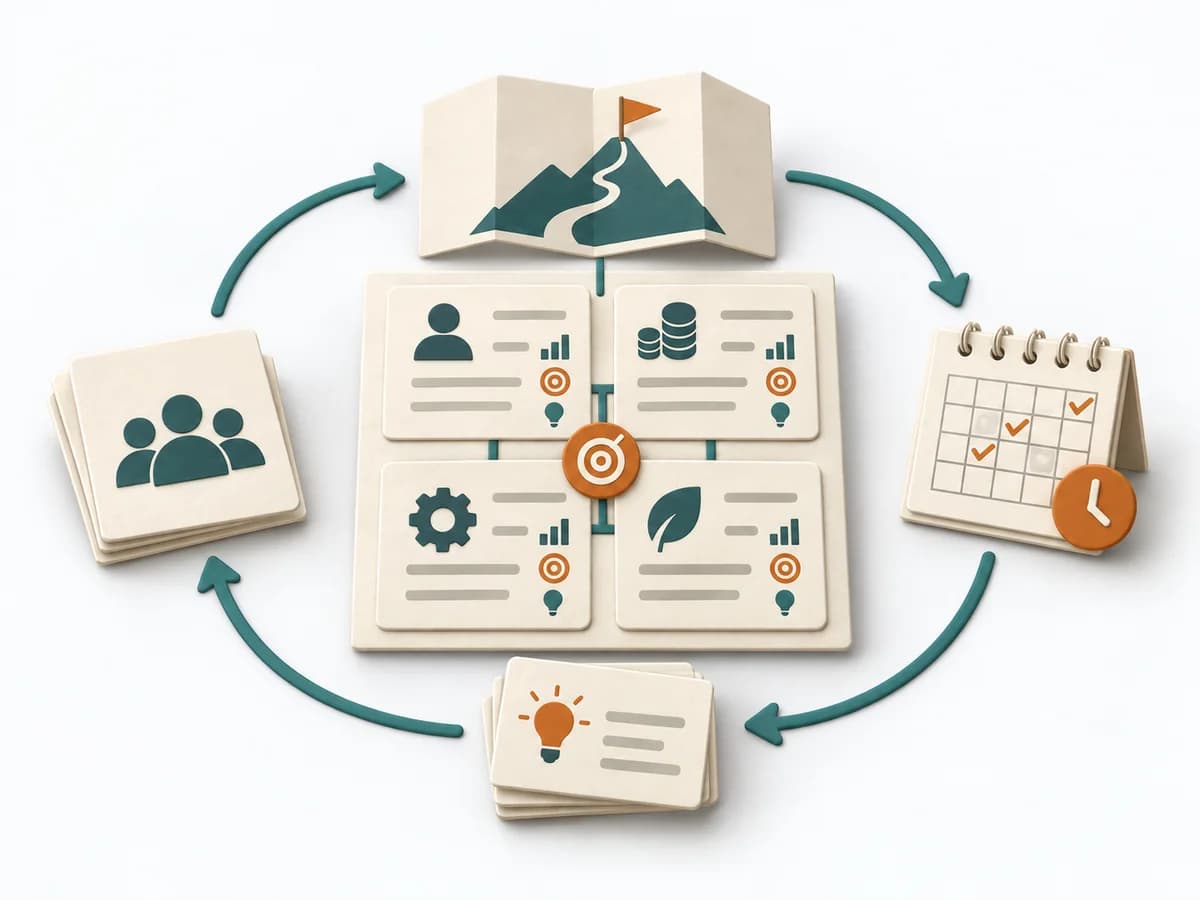 Business Strategy Balanced Scorecard | 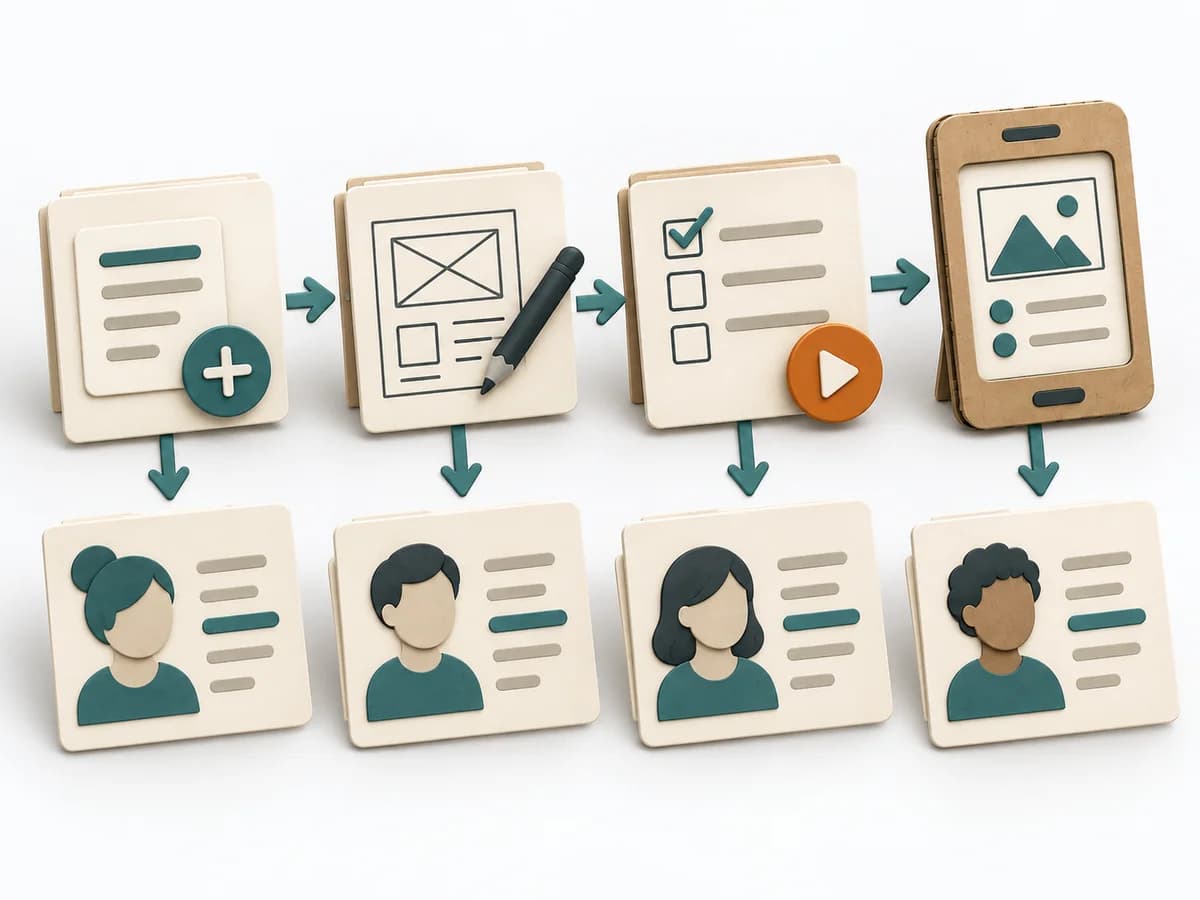 Knowledge Modeling Event Modeling | 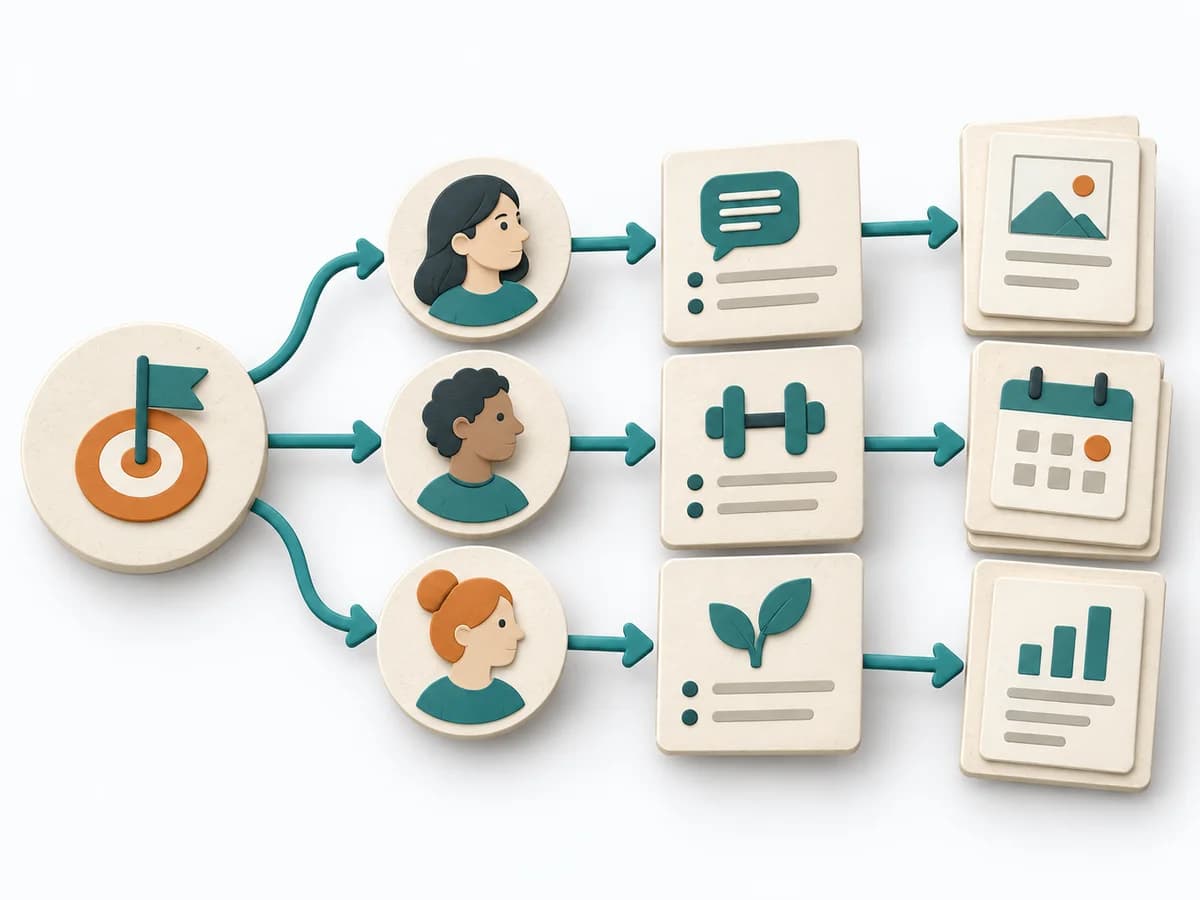 Product Strategy Impact Mapping |
|---|---|---|---|---|
Purposedifferent | When teams derive needs only from assumptions and real motives are missing, user interviews give direct access to behavior and meaning. Conversations from the target group's everyday life make patterns, tensions, and open questions solidly visible. | Balanced Scorecard translates strategy into a few interconnected perspectives and metrics. It holds impact, steering, and learning together in daily work instead of narrowing strategy down to financial figures. | Event Modeling connects business workflows with commands, events, and views into one coherent mental model. It helps design behavior, UI, and technical slices from the same underlying logic. | When a goal needs to be connected to several possible paths, it shows chains of impact instead of feature lists. It connects business goal, behavior change, and measures. |
Complexitydifferent | Low | High | Medium | Medium |
Timedifferent | 30–60 min per interview | Halber Tag bis mehrere Wochen | 2-6 h | 45-90 min |
Participantsdifferent | 1 participant per interview | 4-12 | 2-8 | 3-8 |
Formatdifferent | Workshop + async | Workshop + async | Workshop + async | Workshop |
Outputdifferent | Interview Notes, Themes, Insight Summary | Balanced Scorecard, Strategic Measures, Initiative Map | Event Model, UI Flow, Commands, Read Models | Impact Map, Outcome Hypotheses, Delivery Options |
Tagsno overlap | QualitativeResearchCustomerDiscovery | StrategyMetricsExecution | EventsBlueprintDomain-Driven DesignBehavior | OutcomesStrategyBehaviorPlanning |