View methods side by side.
Choose up to four methods. Add them using the search and share the comparison by copying its link.
| Criterion |  UX Research Usability Testing | 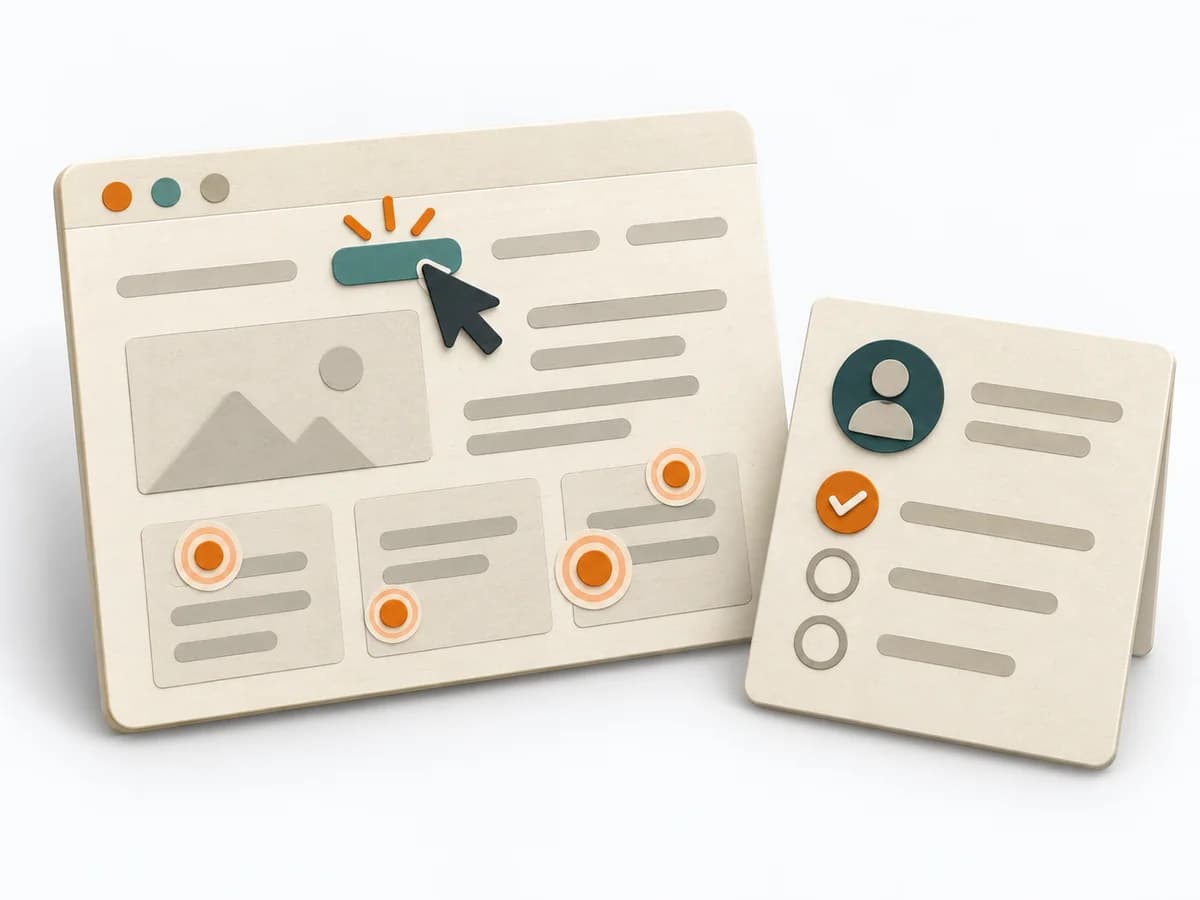 UX Research First-click Testing | 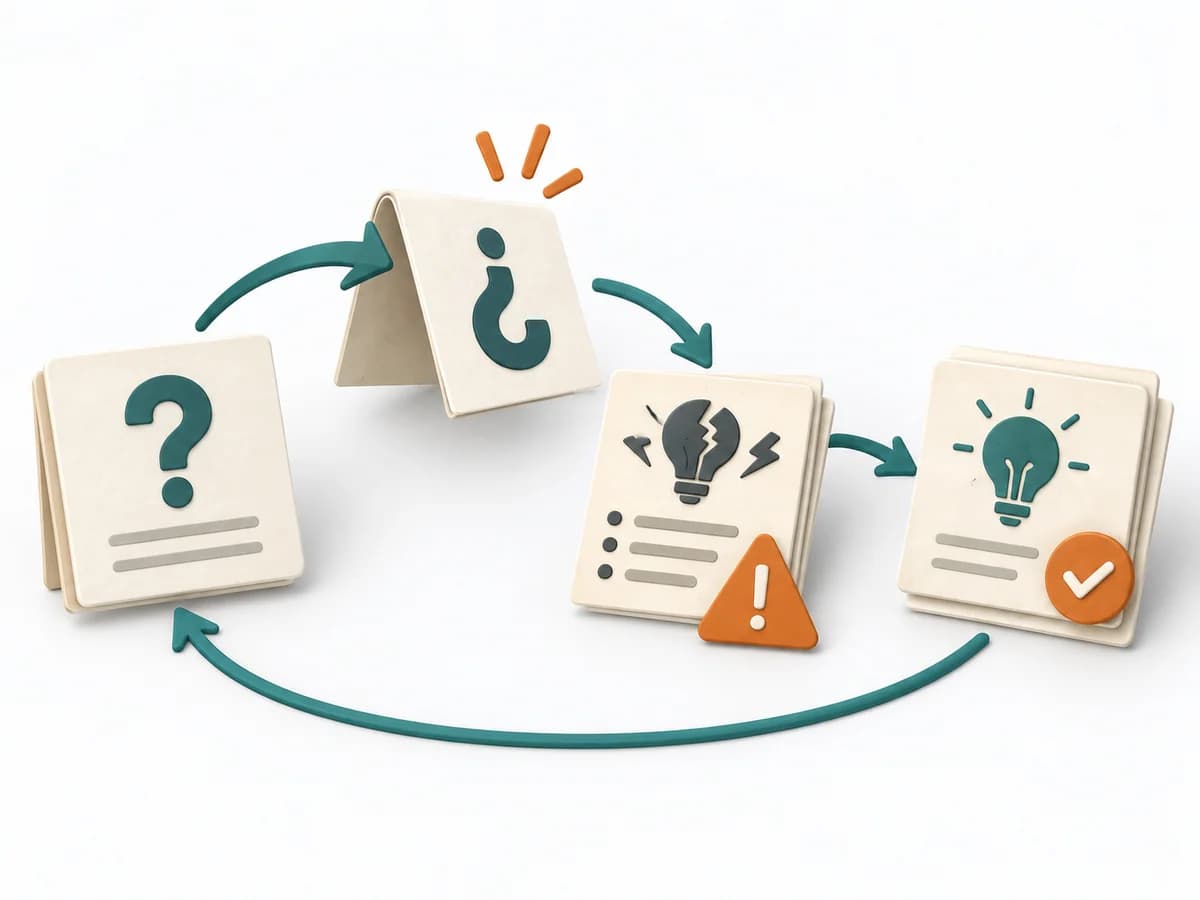 Innovation Reverse Brainstorming | 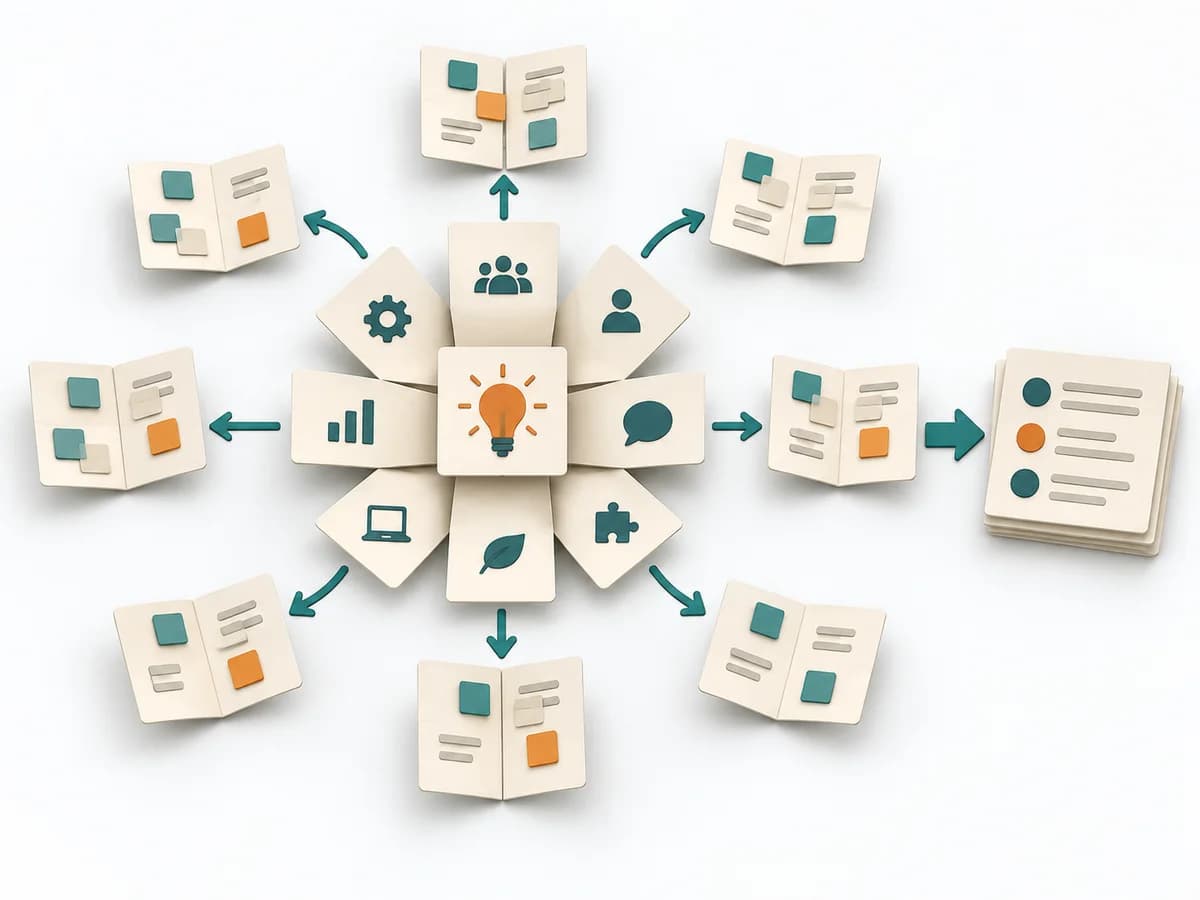 Innovation Lotus Blossom |
|---|---|---|---|---|
Purposedifferent | When a product is built but people get stuck on tasks, usability testing shows the friction at concrete points. Observed use instead of self-report makes visible where orientation, understanding, or interaction breaks down. | When users immediately turn the wrong way on a screen or wireframe, first click testing checks initial orientation at high speed. The first click shows early whether expectation, labeling, and wayfinding fit together. | For persistent errors or blockages, the method shifts the view to the opposite of the desired effect. It exposes the mechanics of failure and makes hidden causes easier to grasp. This makes improvement more concrete and the problem clearer. | When a central question feels too large, the method breaks it into neighboring topic fields with their own depth of ideation. It holds structure and openness at the same time, so adjacent perspectives don't get lost. This grows an idea space out of a core problem. |
Complexitydifferent | Medium | Low | Low | Low |
Timedifferent | 1-2 h je Session | 1-2 Tage | 30-60 min | 45-90 min |
Participantsdifferent | Based on research question | 10-30 | 3-12 | 3-10 |
Formatdifferent | Workshop + async | Async | Workshop | Workshop |
Outputdifferent | Usability Issues, Severity List, Recommendations | Click Heatmap, Success Rate, Design Recommendations | Reverse Ideas, Risk Themes, Solution Ideas | Lotus Diagram, Idea Themes, Shortlist |
Tagsno overlap | ValidationUXPrototype | UXNavigationFindabilityValidation | BrainstormingIdeationCreativityRisk | BrainstormingIdeationCreativityDivergenceWorkshop |