View methods side by side.
Choose up to four methods. Add them using the search and share the comparison by copying its link.
| Criterion | 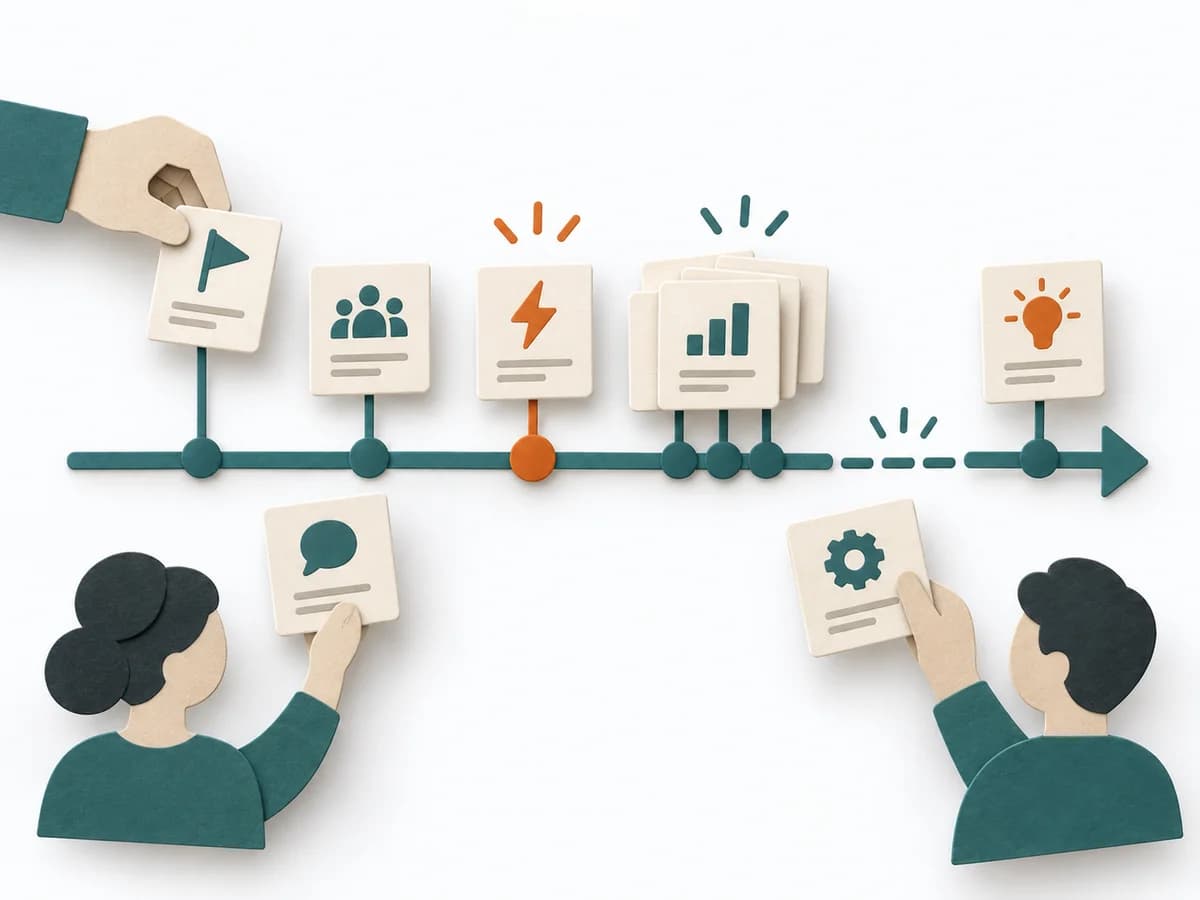 Facilitation Timeline | 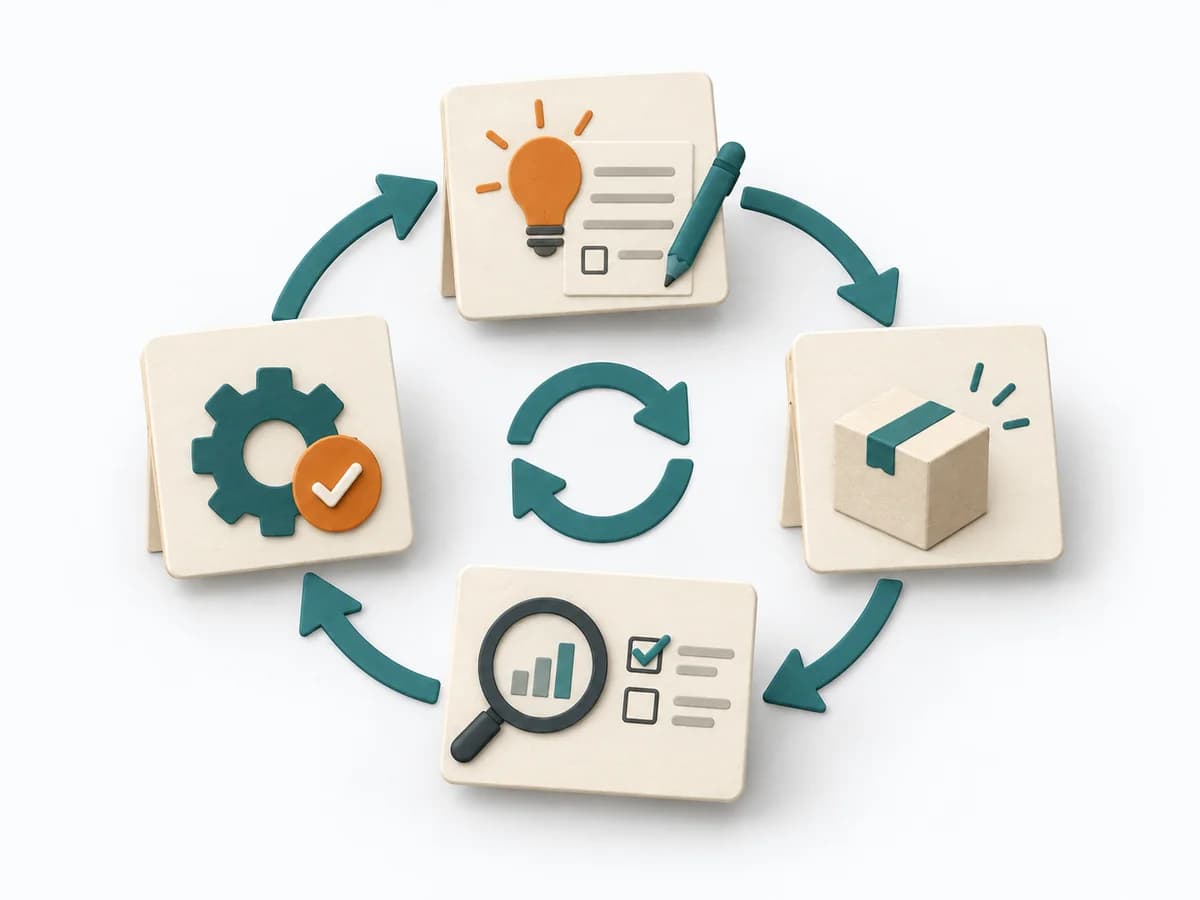 Operations PDCA Cycle |  Operations Barrier Analysis |  Operations 5 Whys |
|---|---|---|---|---|
Purposedifferent | When a project, incident, or change process is only remembered in fragments, Timeline brings the sequence back into a readable form. It makes turning points, precursors, and after-effects recognizable over the course of time. | For an improvement that still has to prove itself in everyday work, the method runs it through small learning loops. It connects planning, checking, and standardization into a repeatable learning mode. | For a risk that can only be managed through multiple layers of protection, the method examines the effectiveness of each barrier. It shows where safeguards are missing, too weak, or fail under real conditions. | For a single, hard-to-explain deviation, the method exposes the causal chain behind the visible symptom. It keeps the cause open until a controllable condition emerges instead of a mere description. |
Complexitydifferent | Low | Low | Medium | Low |
Timedifferent | 30-90 min | 1 h bis mehrere Wochen | 2-4 h | 15-30 min |
Participantsdifferent | 2-12 | 1-8 | 2-6 | 2-6 |
Formatdifferent | Workshop + async | Workshop + async | Workshop + async | Workshop |
Outputdifferent | Timeline, Milestones, Insight Notes | PDCA Log, Experiment Plan, Learning Outcome, Standard Change | Barrier Inventory, Failure Analysis per Barrier, Action Backlog | Root cause notes, Countermeasures |
Tagsno overlap | TimelineFacilitationSequence | Continuous improvementLeanExperiments | Root causeSafetyIncident | Root causeIncidentLeanProblem solving |