View methods side by side.
Choose up to four methods. Add them using the search and share the comparison by copying its link.
| Criterion | 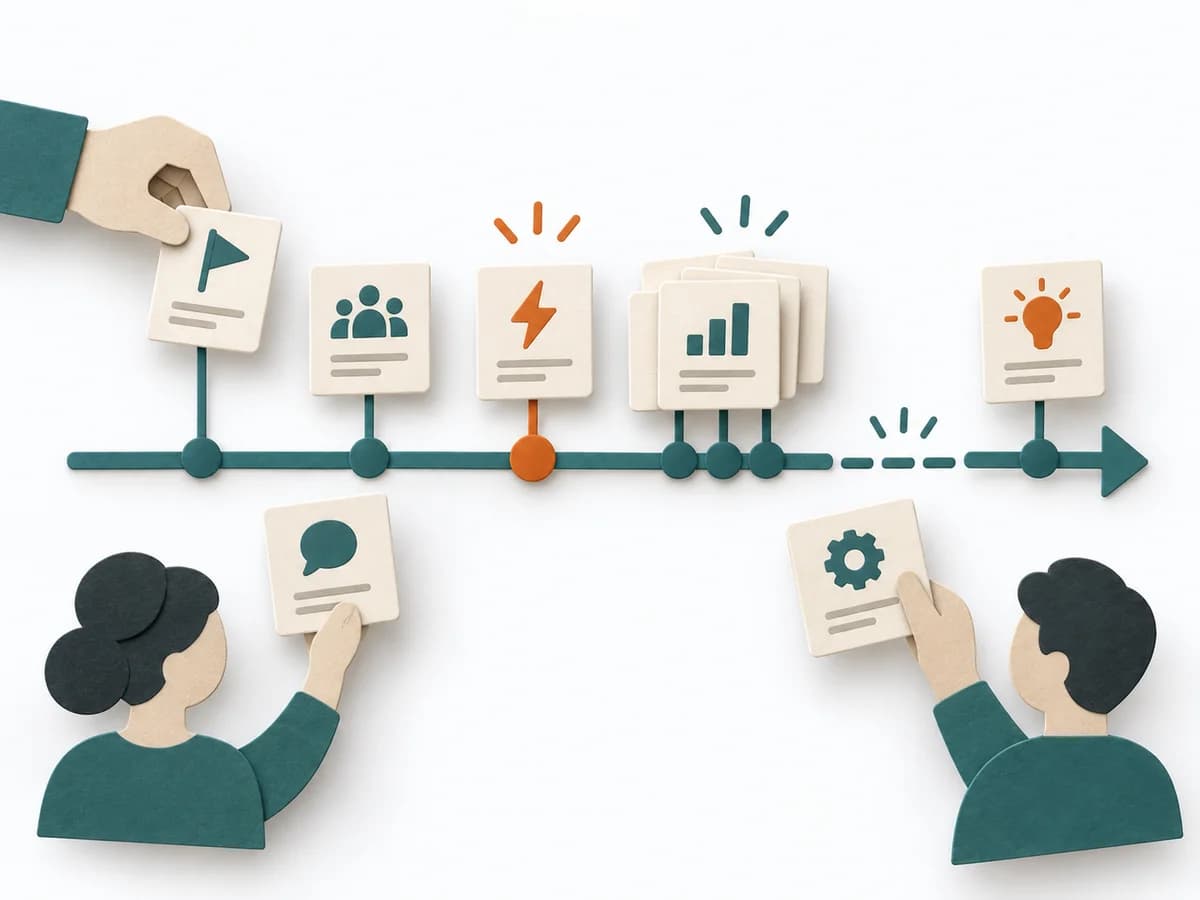 Facilitation Timeline | 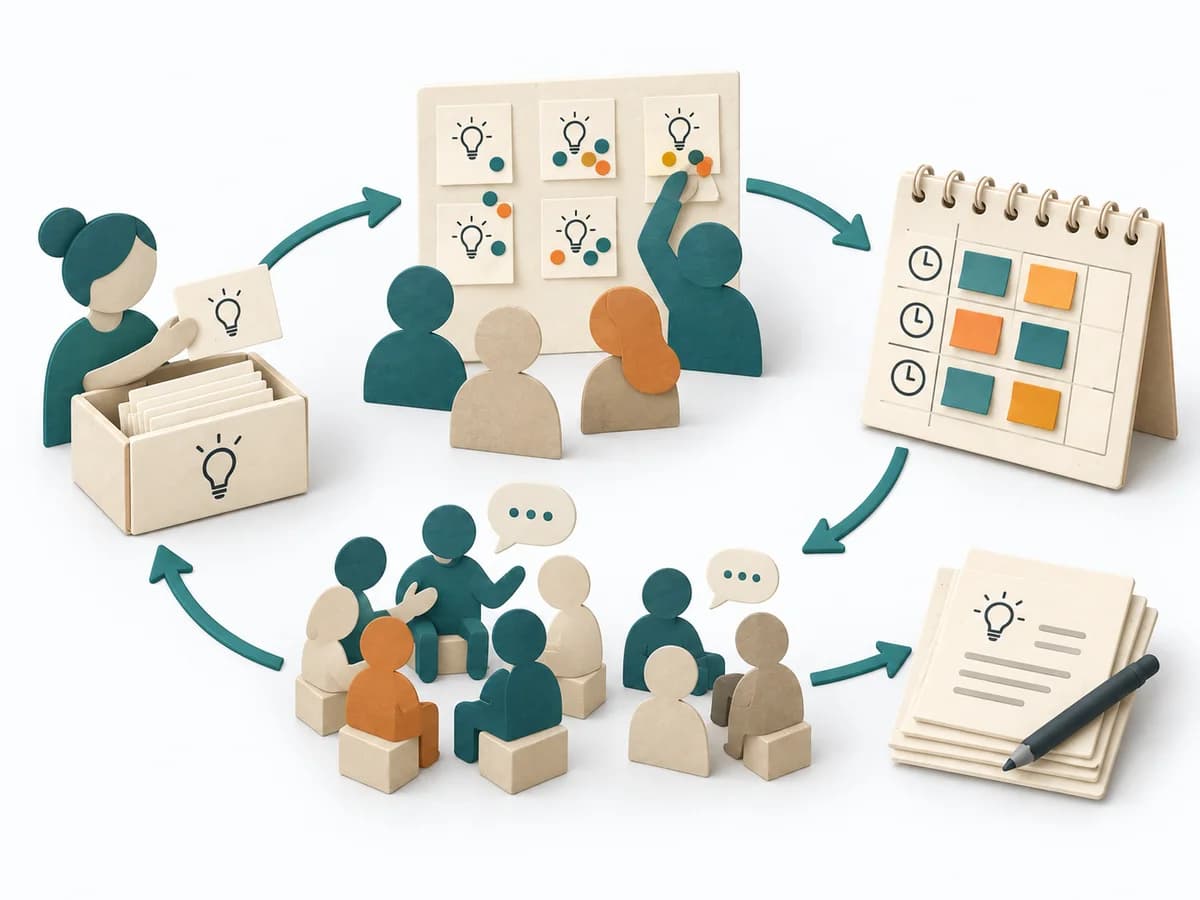 Facilitation Barcamp | 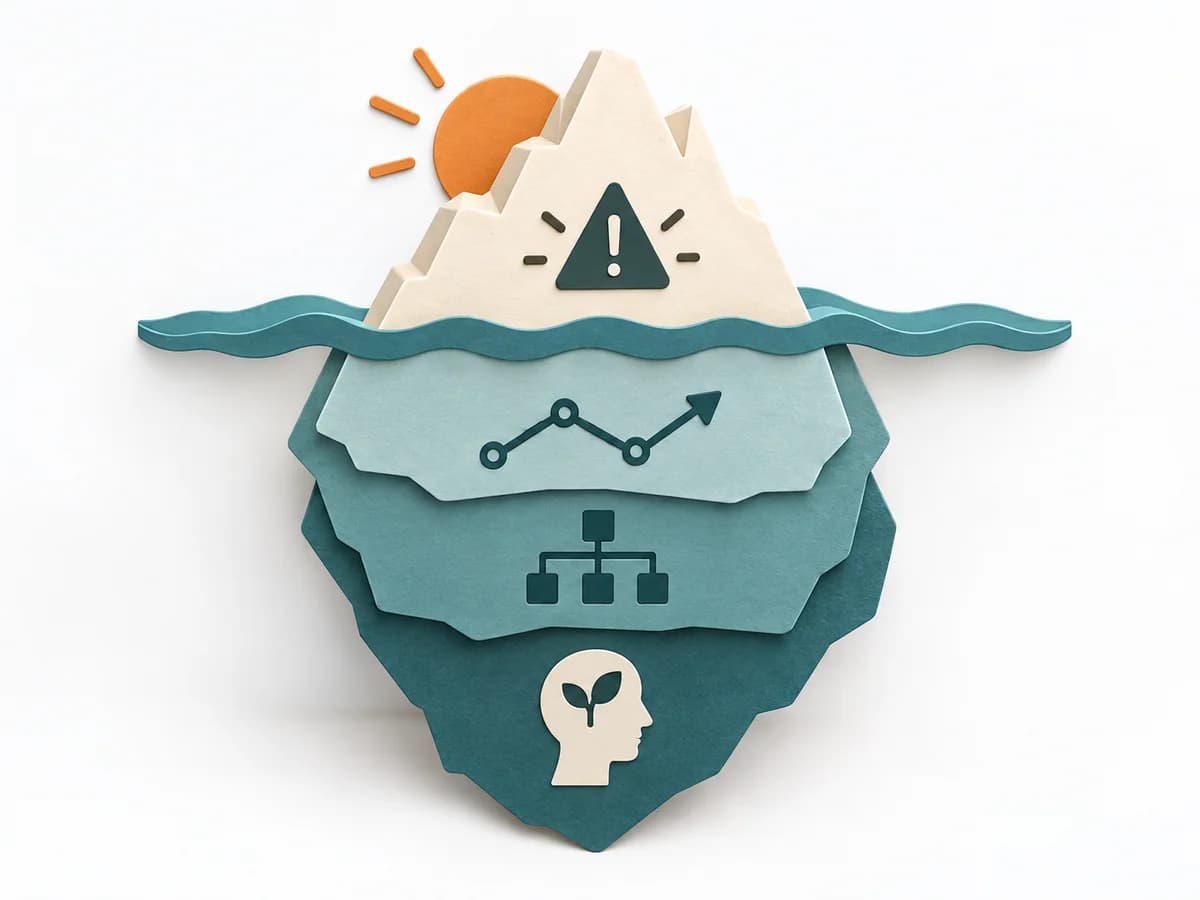 Systems Thinking Iceberg Model | 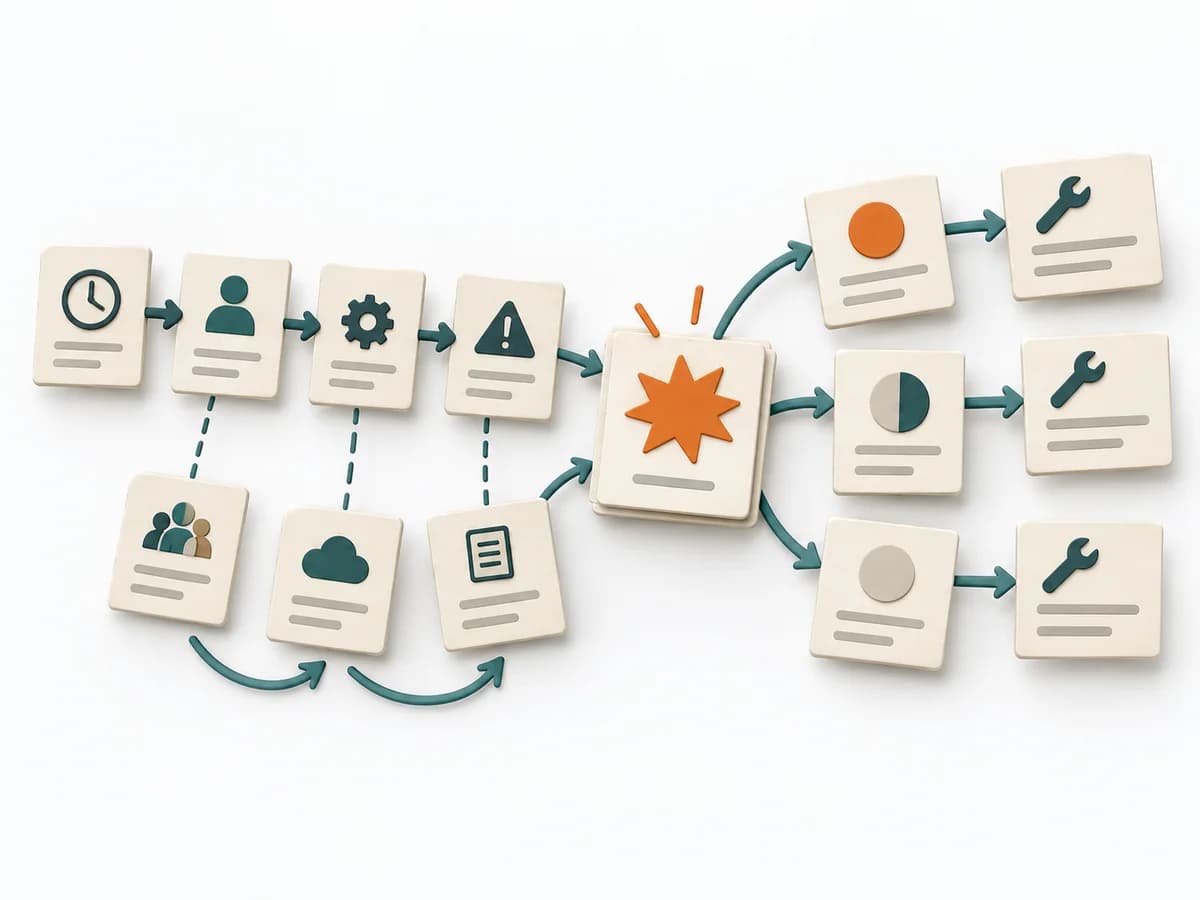 Operations Causal Factor Analysis |
|---|---|---|---|---|
Purposedifferent | When a project, incident, or change process is only remembered in fragments, Timeline brings the sequence back into a readable form. It makes turning points, precursors, and after-effects recognizable over the course of time. | When many people can contribute knowledge and the flow should stay open, Barcamp provides a framework for self-organized sessions. The format channels energy without defining the content too narrowly in advance. | The Iceberg Model separates visible events from patterns, structures, and mental models. This turns a single observation into a deeper understanding of why a problem keeps recurring. | For an event with a complicated course, the method breaks down the contributing factors along the timeline. It shows how conditions, decisions, and reactions together produce a course of events. |
Complexitydifferent | Low | Medium | Low | High |
Timedifferent | 30-90 min | Halber Tag bis 2 Tage | 30-60 min | 2-6 h |
Participantsdifferent | 2-12 | 15-200 | 2-10 | 3-10 |
Formatdifferent | Workshop + async | Workshop | Workshop + async | Workshop + async |
Outputdifferent | Timeline, Milestones, Insight Notes | Session Board, Session Notes, Community Learnings | Iceberg Worksheet, Pattern Notes, Intervention Ideas | Event Timeline, Causal Factor Chart, Cause List, Corrective Actions |
Tagsno overlap | TimelineFacilitationSequence | FacilitationLarge groupLearning | Systems thinkingRoot causePatterns | CausalityIncidentRoot causeTimeline |