View methods side by side.
Choose up to four methods. Add them using the search and share the comparison by copying its link.
| Criterion | 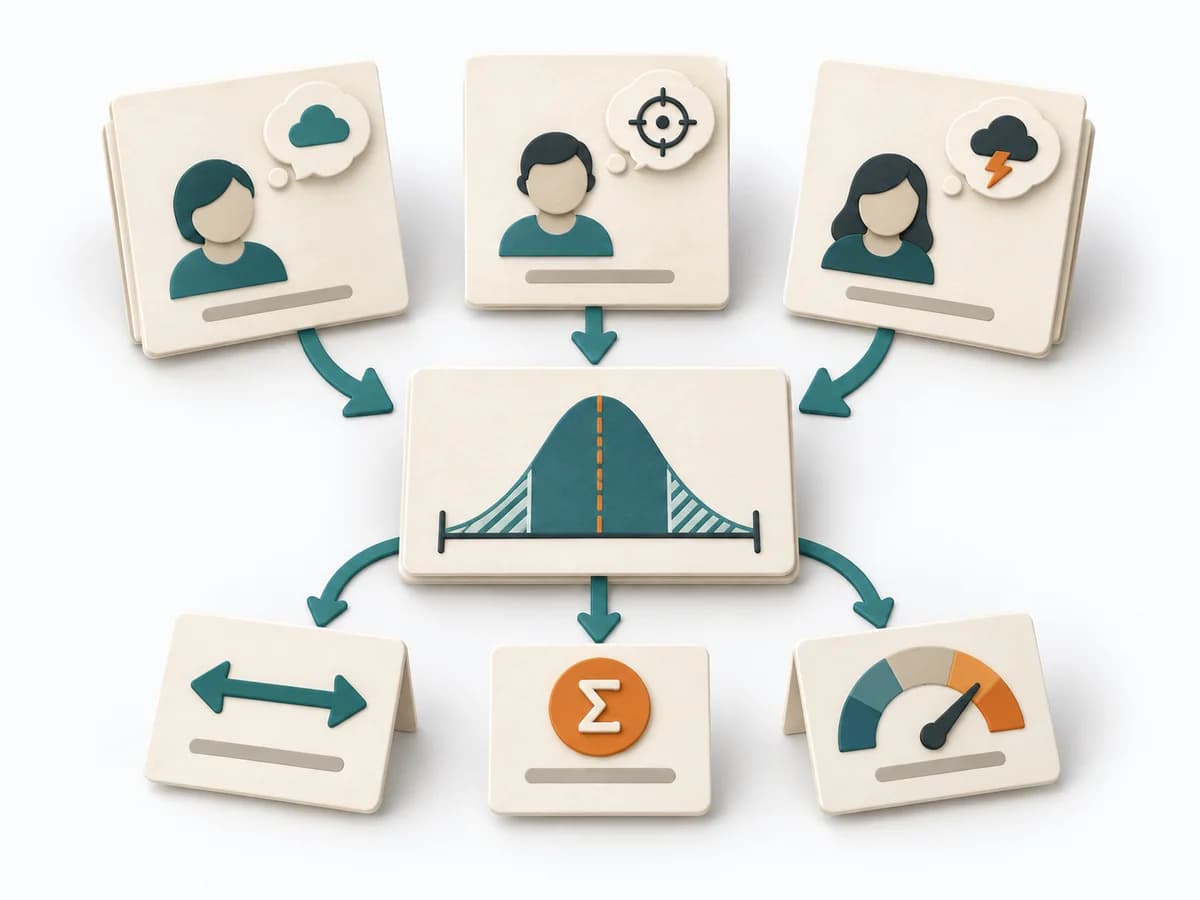 Decision Making Three-Point Estimation |  Facilitation Stakeholder Mapping |  Decision Making OODA Loop | 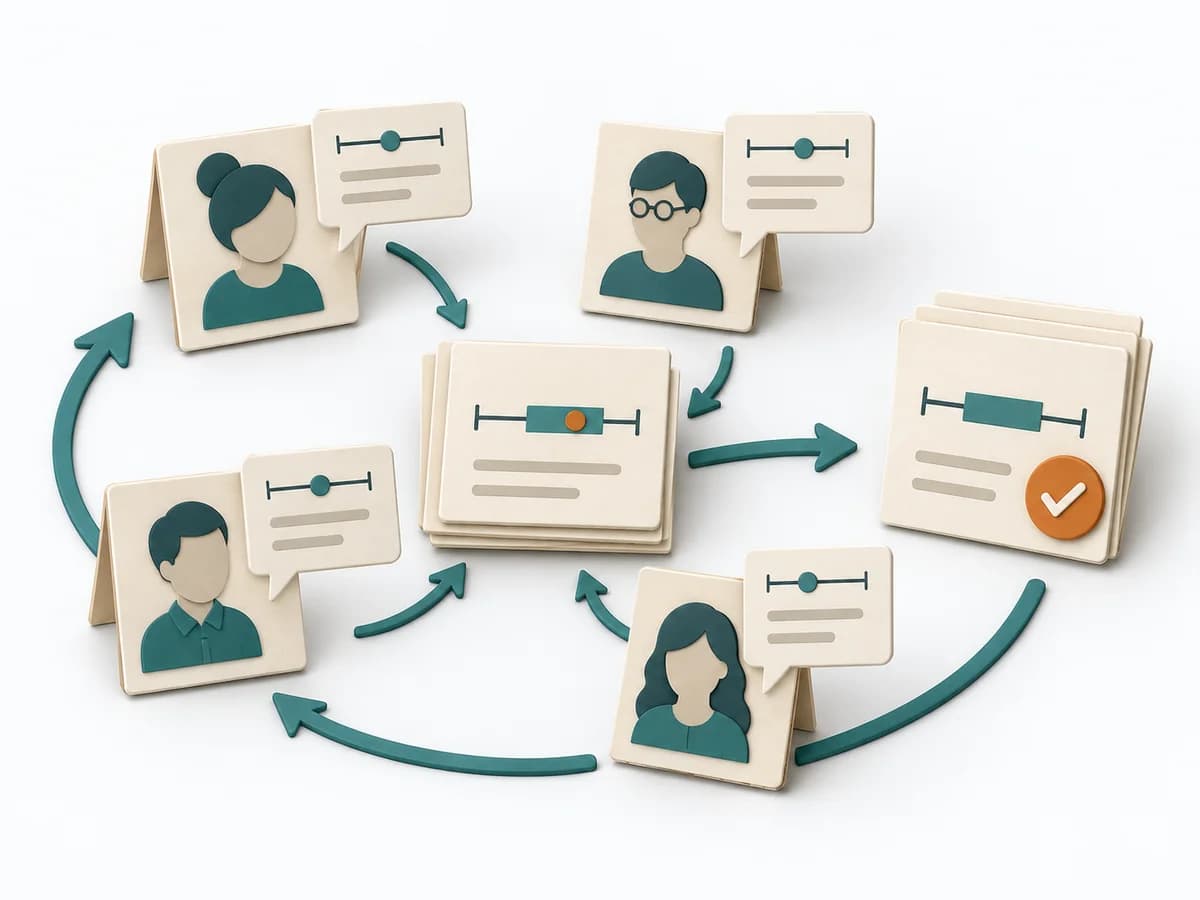 Decision Making Delphi Method |
|---|---|---|---|---|
Purposedifferent | A single estimate for effort, time, or risk often looks too smooth for the real uncertainty behind it. It separates options, evaluation criteria, and open risks. The result is captured as a Three-Point Estimate, Risk Range, and Assumption Notes. | When an initiative depends on many people, interests, and power dynamics, Stakeholder Mapping systematically orders the environment. It shows who influences, who is affected, and where relationship management or safeguarding matters first. | In dynamic situations, decisions become outdated faster than they can be prepared. The OODA Loop holds observing, orienting, deciding, and acting together as a recurring rhythm so reaction does not slide into inertia. | When knowledge is distributed and direct dominance should be avoided, groups quickly fall under the sway of their opinion leaders. The Delphi Method gathers assessments iteratively and gradually brings expert judgments closer together. |
Complexitydifferent | Medium | Low | Medium | High |
Timedifferent | 10-30 min je Item | 60–90 min | 15-60 min je Zyklus | 1-4 Wochen |
Participantsdifferent | 1-8 | 2-8 | 1-8 | 6-30 Experten |
Formatdifferent | Workshop + async | Workshop + async | Workshop + async | Async |
Outputdifferent | Three-Point Estimate, Risk Range, Assumption Notes | Stakeholder Map, Engagement Plan, Risk Notes | Situation Assessment, Decision Loop, Action Updates | Expert Forecast, Consensus Range, Assumption Notes |
Tagsno overlap | EstimationUncertaintyForecasting | StakeholdersAlignmentFacilitationChange | DecisionChangeLearningStrategy | ForecastingExpertsDecisionStrategy |