View methods side by side.
Choose up to four methods. Add them using the search and share the comparison by copying its link.
| Criterion | 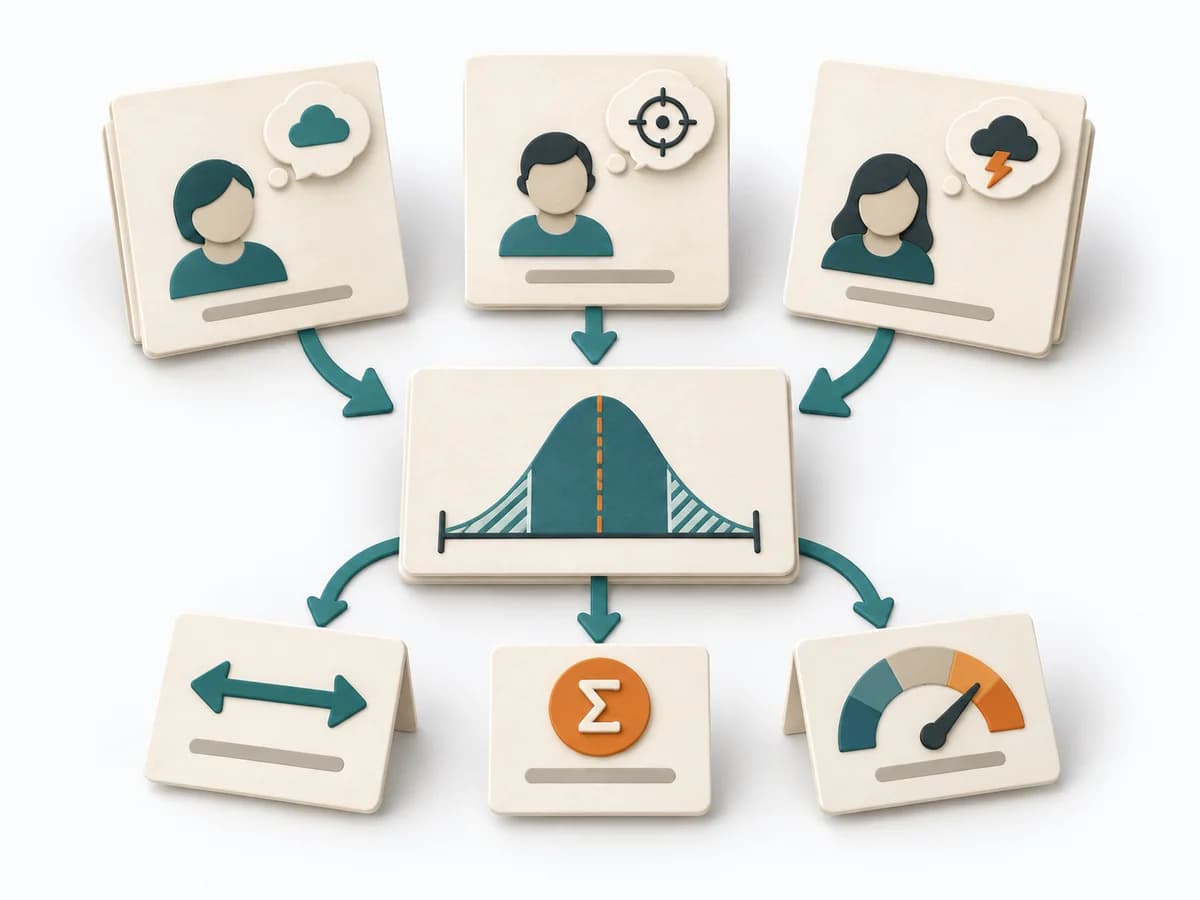 Decision Making Three-Point Estimation | 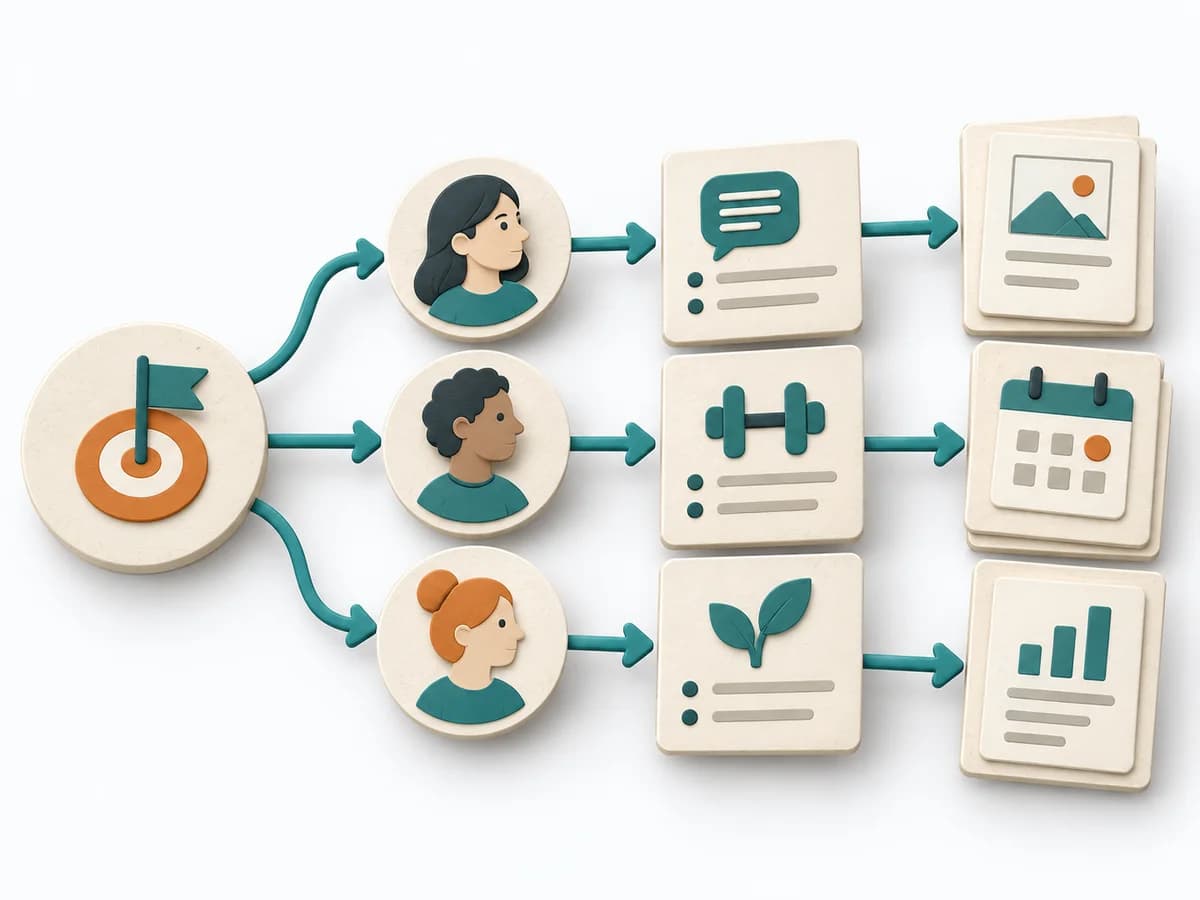 Product Strategy Impact Mapping |  Business Strategy GAP Analysis | 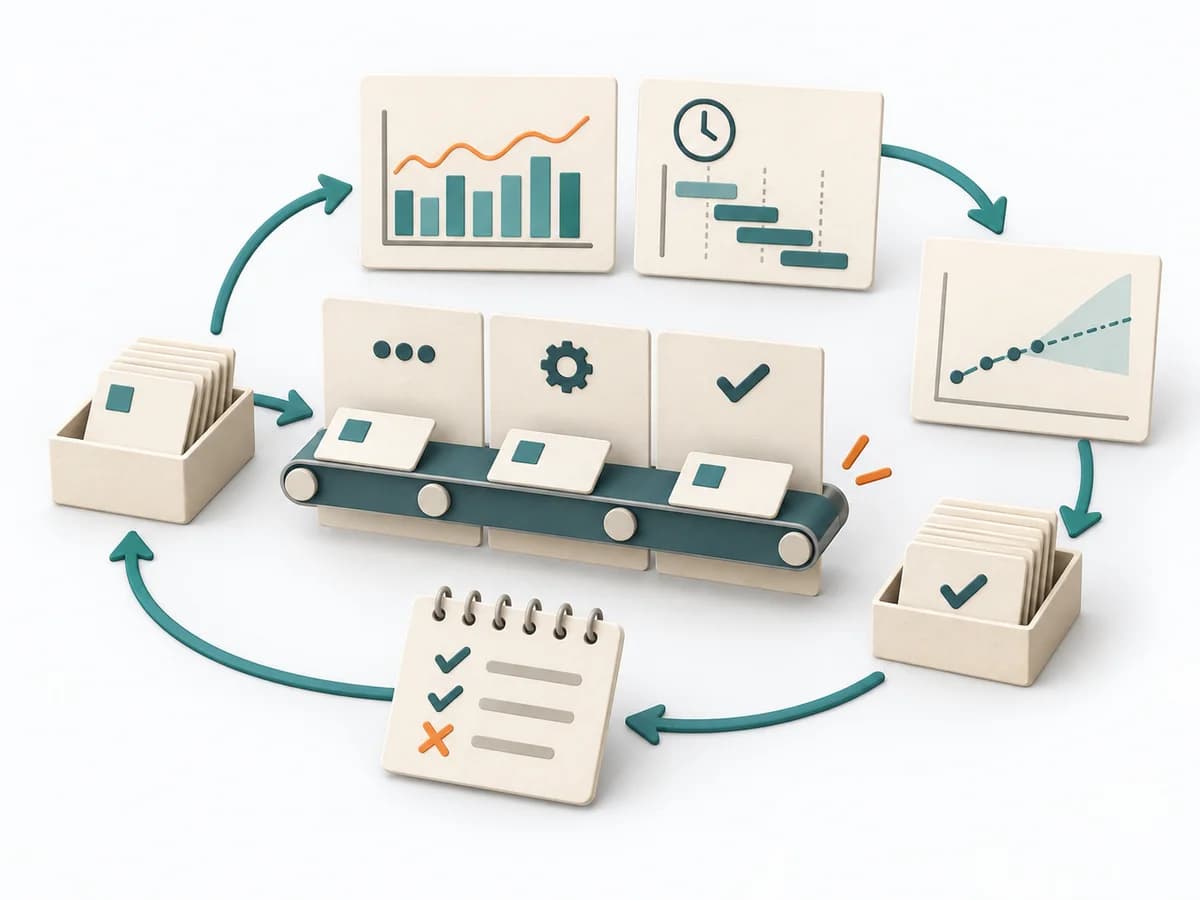 Agile NoEstimates |
|---|---|---|---|---|
Purposedifferent | A single estimate for effort, time, or risk often looks too smooth for the real uncertainty behind it. It separates options, evaluation criteria, and open risks. The result is captured as a Three-Point Estimate, Risk Range, and Assumption Notes. | When a goal needs to be connected to several possible paths, it shows chains of impact instead of feature lists. It connects business goal, behavior change, and measures. | GAP Analysis compares the current state with a target picture and makes the distance manageable. It becomes useful when, ahead of new initiatives, it must become clear which capabilities, processes, or resources are missing. | When estimating slows a team down more than it helps, it shifts the focus to flow, small slices, and real lead time. It sorts work by value, risk, and delivery ability. The result is captured as Throughput Data, Flow Forecast, and Slicing Rules. |
Complexitysame | Medium | Medium | Medium | Medium |
Timedifferent | 10-30 min je Item | 45-90 min | 1-3 h | laufend |
Participantsdifferent | 1-8 | 3-8 | 2-8 | 2-12 |
Formatdifferent | Workshop + async | Workshop | Workshop + async | Workshop + async |
Outputdifferent | Three-Point Estimate, Risk Range, Assumption Notes | Impact Map, Outcome Hypotheses, Delivery Options | Gap Matrix, Action Plan, Risk Notes | Throughput Data, Flow Forecast, Slicing Rules |
Tagsno overlap | EstimationUncertaintyForecasting | OutcomesStrategyBehaviorPlanning | StrategyAnalysisPlanning | EstimationForecastingFlow |