View methods side by side.
Choose up to four methods. Add them using the search and share the comparison by copying its link.
| Criterion | 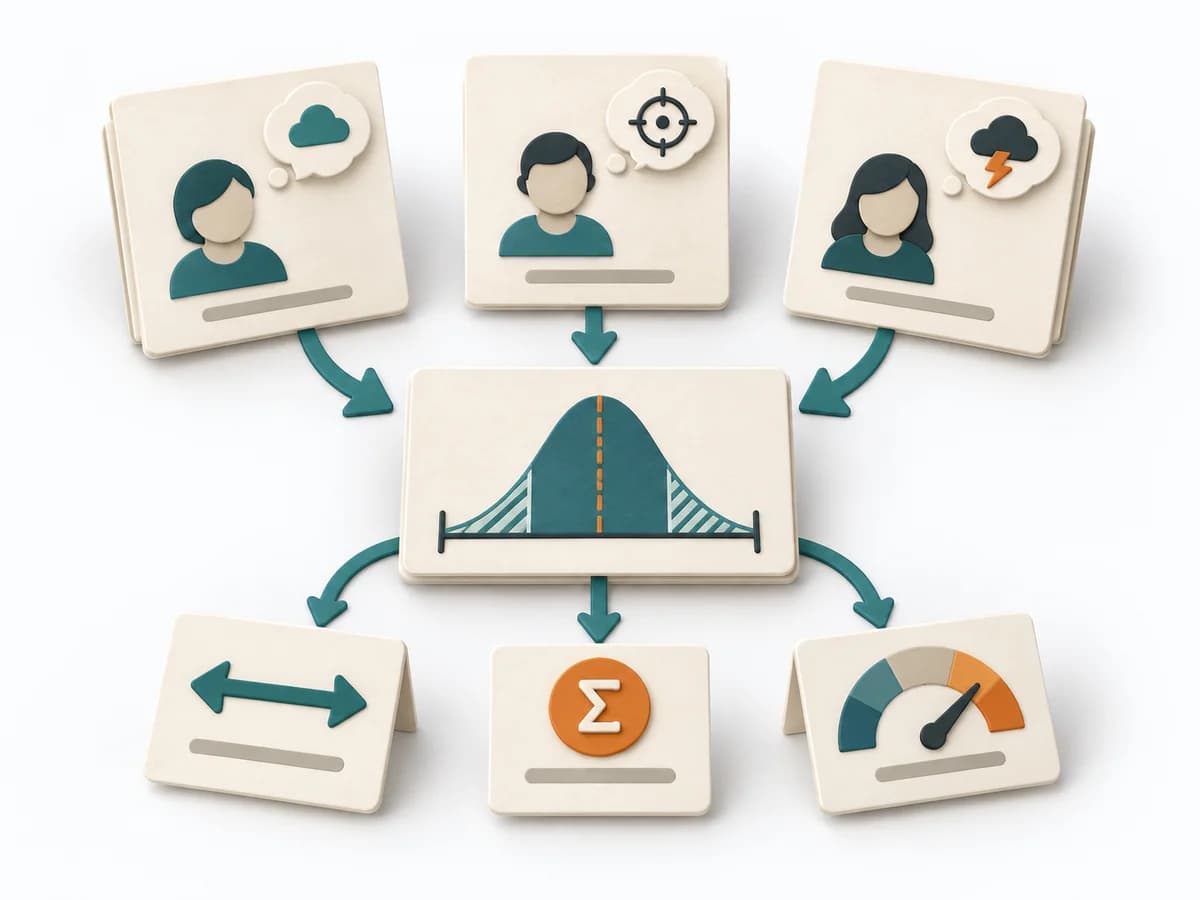 Decision Making Three-Point Estimation |  Operations Gemba Walk | 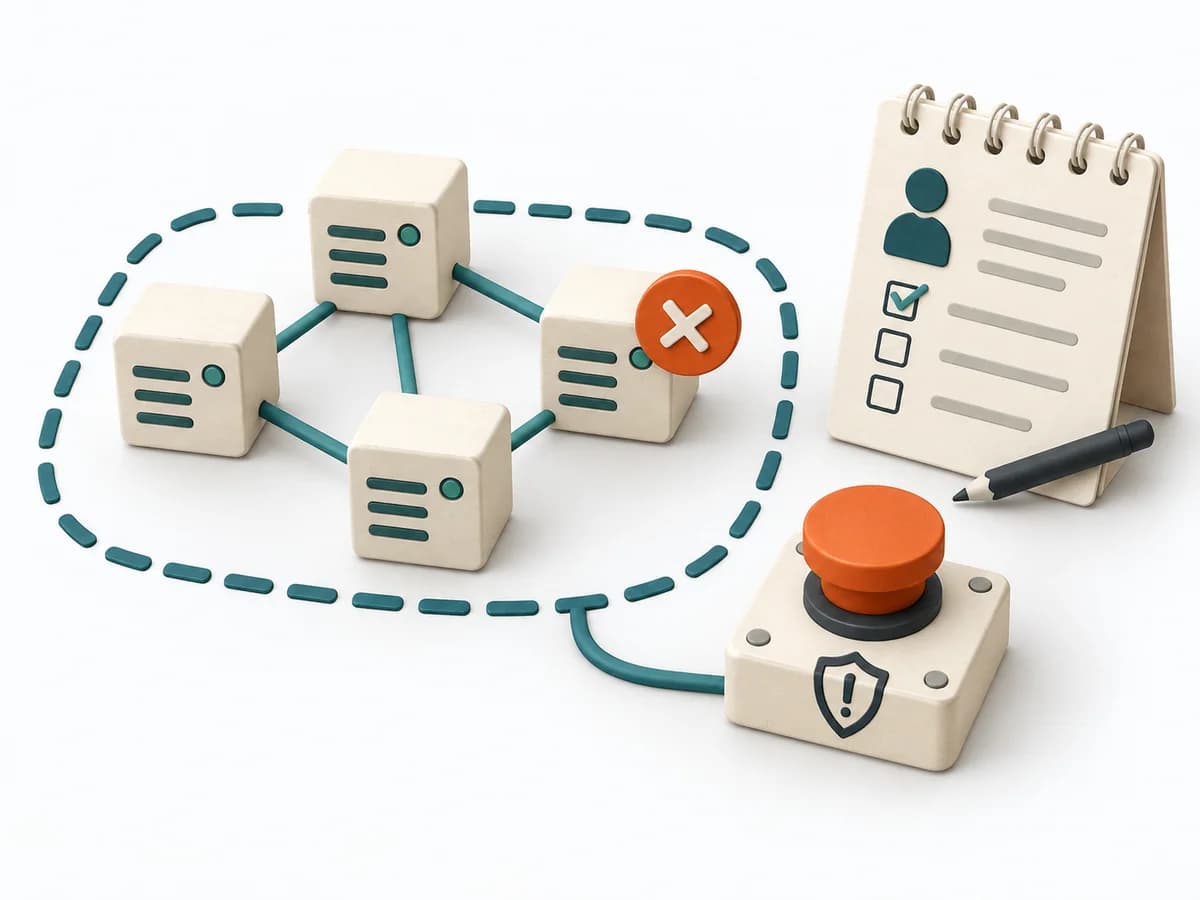 DevOps Game Day |  Operations 5 Whys |
|---|---|---|---|---|
Purposedifferent | A single estimate for effort, time, or risk often looks too smooth for the real uncertainty behind it. It separates options, evaluation criteria, and open risks. The result is captured as a Three-Point Estimate, Risk Range, and Assumption Notes. | When there is uncertainty about the real course of a process, the method brings observation to the place where work happens. It combines perception, follow-up questions, and process knowledge so decisions rest on actual workflows instead of assumptions. | In preparing for rare incidents, the method tests response capability under controlled conditions. It shows where assumptions about stability, roles, and recovery are too optimistic. | For a single, hard-to-explain deviation, the method exposes the causal chain behind the visible symptom. It keeps the cause open until a controllable condition emerges instead of a mere description. |
Complexitydifferent | Medium | Low | High | Low |
Timedifferent | 10-30 min je Item | 30-120 min | Halber Tag | 15-30 min |
Participantsdifferent | 1-8 | 2-6 | 5-20 | 2-6 |
Formatdifferent | Workshop + async | Workshop | Workshop | Workshop |
Outputdifferent | Three-Point Estimate, Risk Range, Assumption Notes | Observation Notes, Improvement Ideas | Simulation Notes, Gaps List, Updated Runbooks | Root cause notes, Countermeasures |
Tagsno overlap | EstimationUncertaintyForecasting | LeanObservationProcessOperations | ResilienceOperationsIncident | Root causeIncidentLeanProblem solving |