View methods side by side.
Choose up to four methods. Add them using the search and share the comparison by copying its link.
| Criterion | 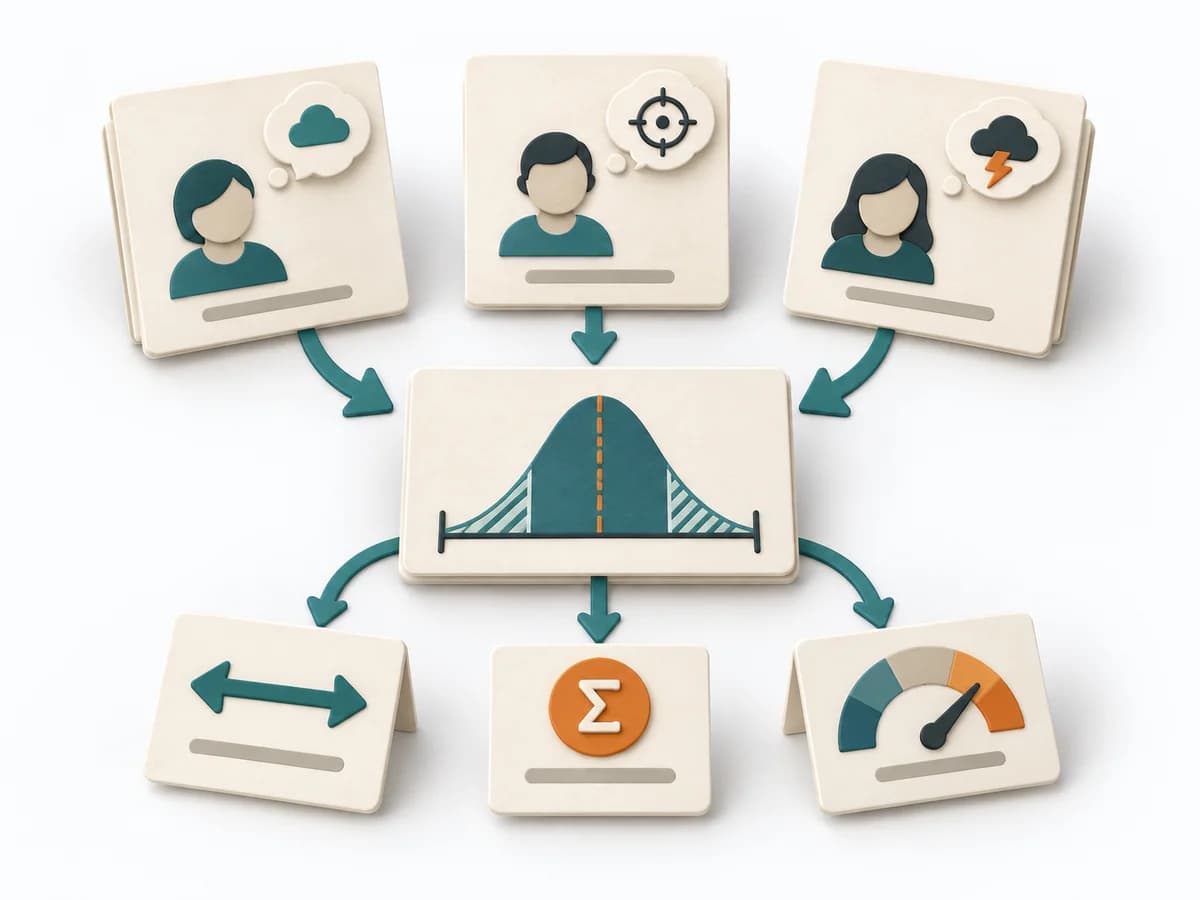 Decision Making Three-Point Estimation |  DevOps Blameless Postmortem | 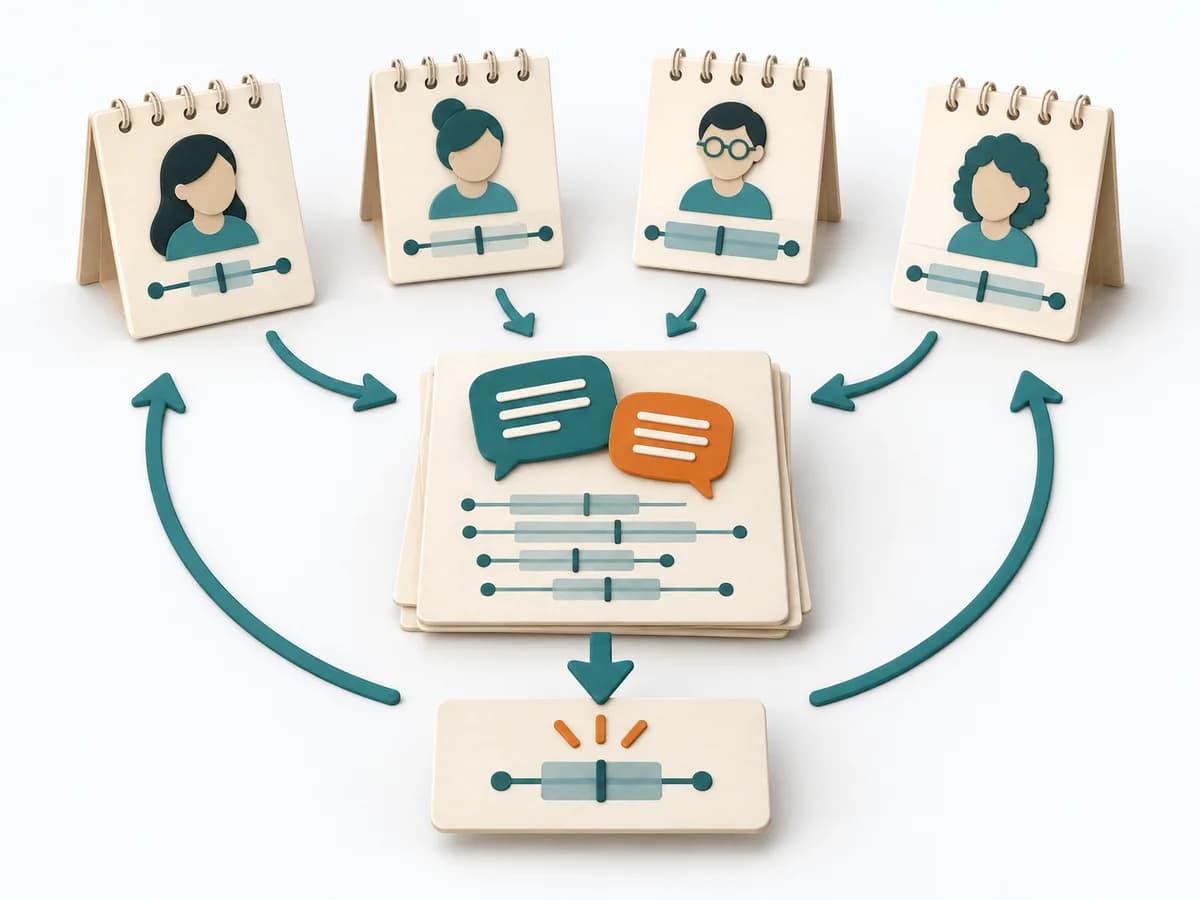 Decision Making Wideband Delphi | 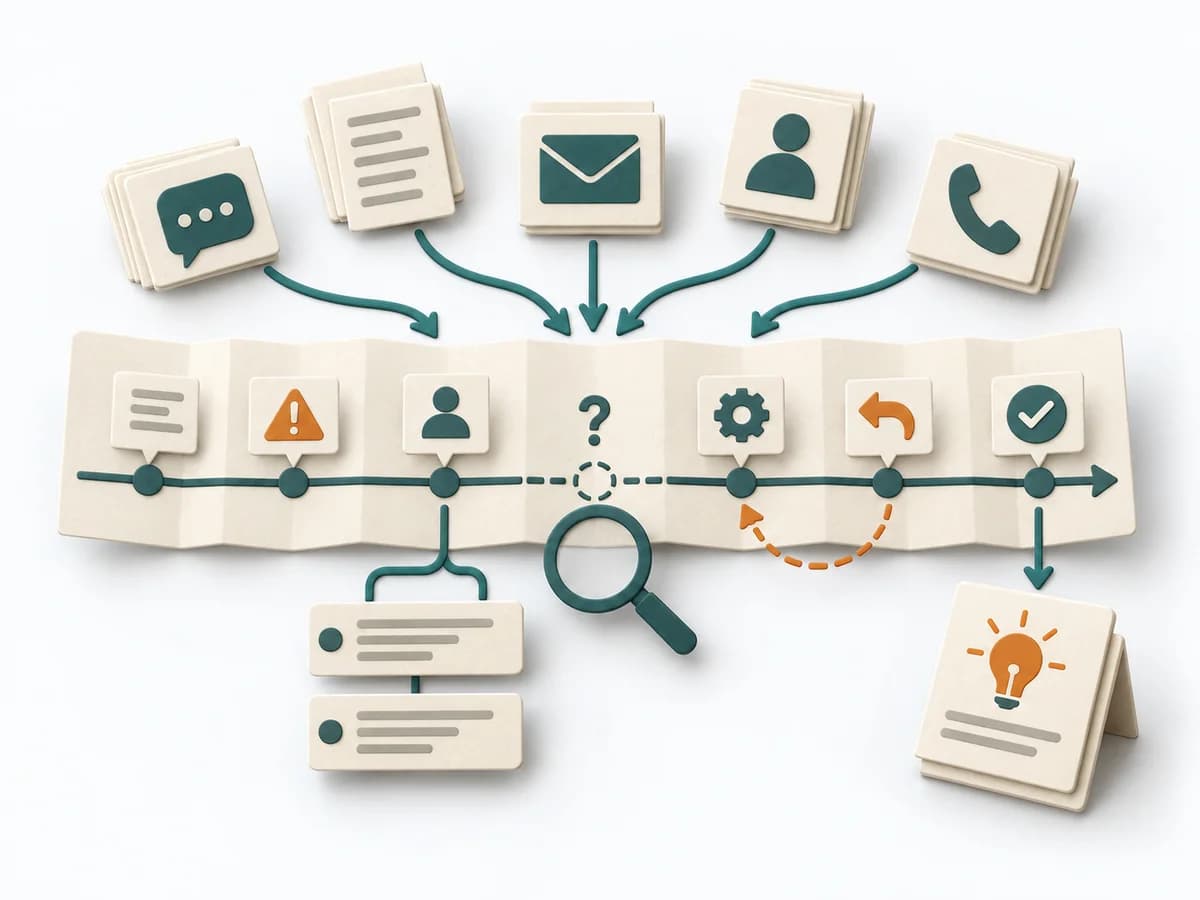 DevOps Incident Timeline Analysis |
|---|---|---|---|---|
Purposedifferent | A single estimate for effort, time, or risk often looks too smooth for the real uncertainty behind it. It separates options, evaluation criteria, and open risks. The result is captured as a Three-Point Estimate, Risk Range, and Assumption Notes. | After an incident with damage or a near miss, the method creates a sober field for learning without assigning blame. It directs attention to the course of events, conditions, and effective countermeasures. | A single opinion rarely holds up for planning when the future is genuinely uncertain. It separates options, evaluation criteria, and open risks. The result is captured as an Estimate Range, Assumption Log, and Expert Consensus Notes. | For an incident with an unclear sequence, the method makes the timeline precisely visible. It separates perception, reaction, and delay so cause and effect become more clearly readable. |
Complexitydifferent | Medium | Medium | High | Medium |
Timedifferent | 10-30 min je Item | 30-90 min | 1-4 h or multiple rounds | 60-180 min |
Participantsdifferent | 1-8 | 3-12 | 4-12 Experten | 3-10 |
Formatsame | Workshop + async | Workshop + async | Workshop + async | Workshop + async |
Outputdifferent | Three-Point Estimate, Risk Range, Assumption Notes | Postmortem Doc, Action Items, Timeline | Estimate Range, Assumption Log, Expert Consensus Notes | Incident Timeline, Evidence Log, Delay Analysis, Improvement Actions |
Tagsno overlap | EstimationUncertaintyForecasting | Site Reliability EngineeringIncidentLearningReliability | EstimationExpertsForecasting | IncidentTimelineSite Reliability Engineering |