View methods side by side.
Choose up to four methods. Add them using the search and share the comparison by copying its link.
| Criterion | 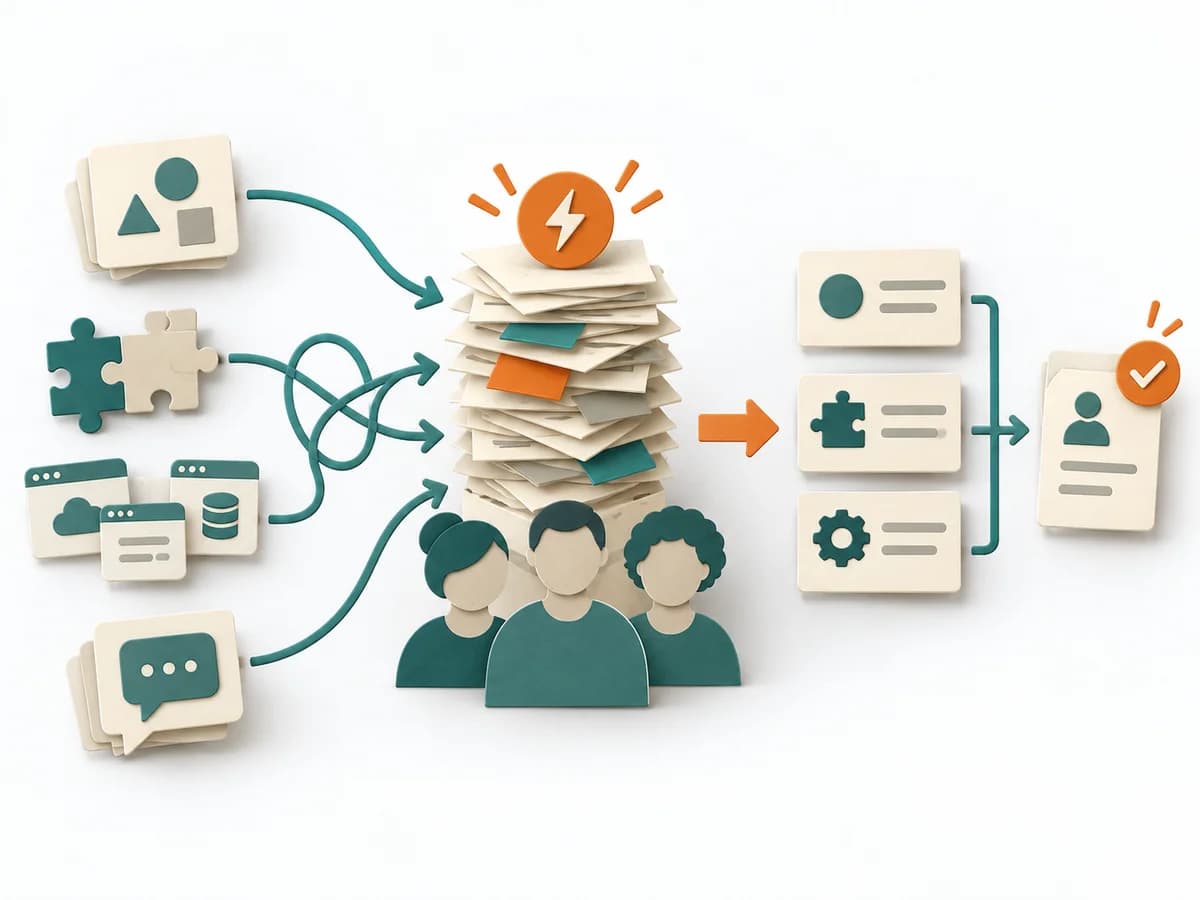 Team Design Team Cognitive Load Assessment | 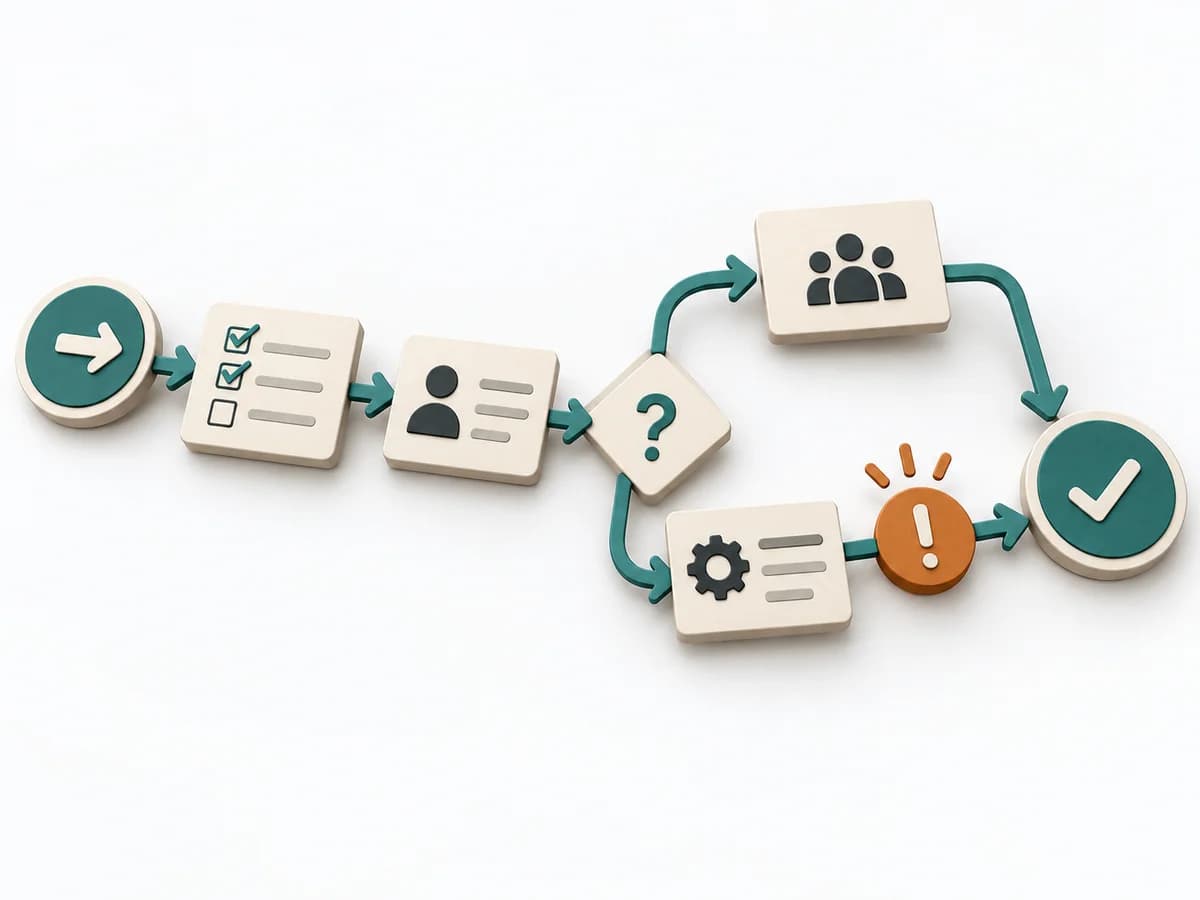 Operations Process Mapping | 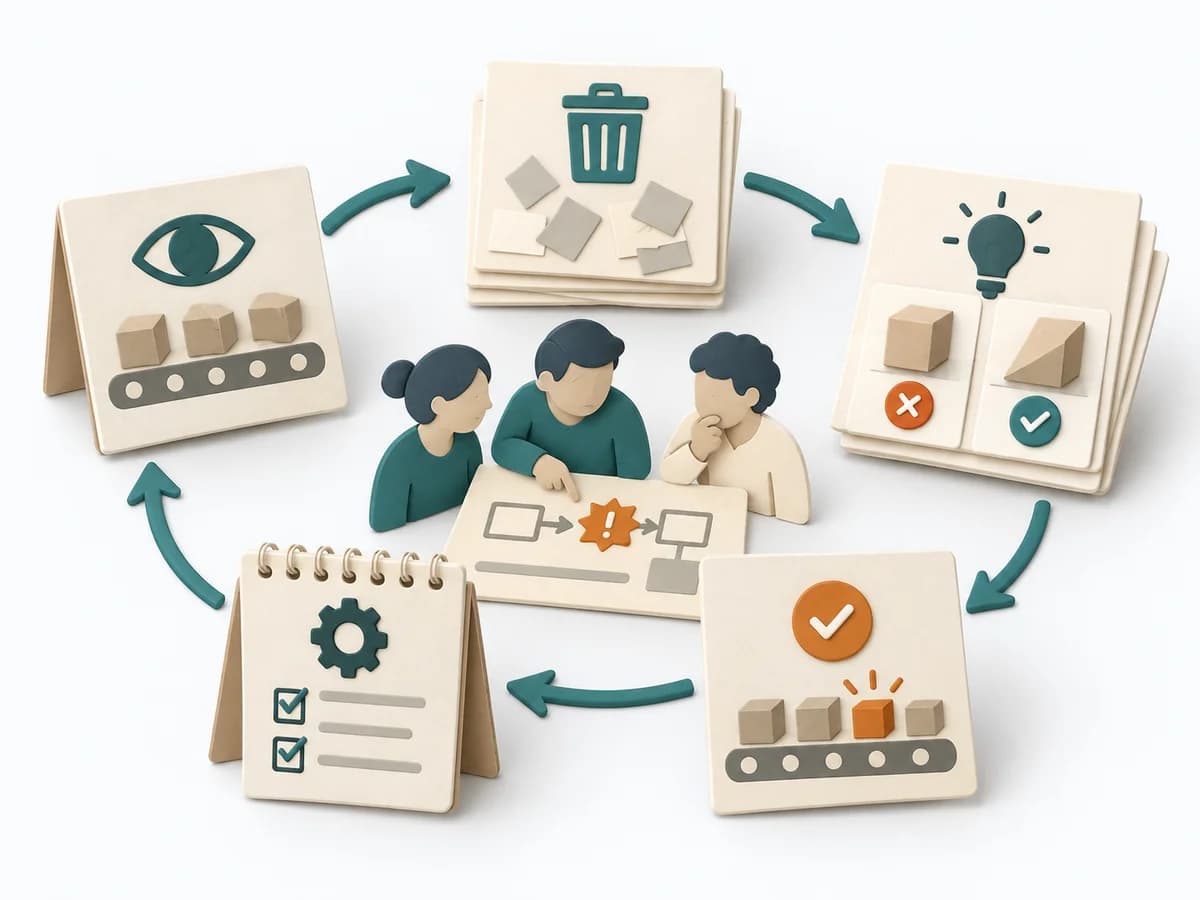 Operations Kaizen Event |  Operations After-Action Review |
|---|---|---|---|---|
Purposedifferent | When a team juggles too many domains, systems, or handoffs, it measures mental overload as an organizational problem. It clarifies responsibility, interaction, and load between teams. The result is captured as a cognitive-load profile and action list. | With a confusing workflow that has many handoffs, the method makes the actual process visible. It shows where work is passed on, delayed, or duplicated, so improvement targets the right spots. | For a tightly scoped process segment with noticeable waste, the method bundles shared energy for change. It suits situations that call for fast learning loops and visible adjustments. | After missions or project phases with unclear outcomes, the method makes visible what actually happened and what can be learned from it. It separates course, effect, and causes so experience turns into solid improvement. |
Complexitydifferent | Medium | Medium | Medium | Low |
Timedifferent | 60-90 min | 1-3 h | 0.5-5 Tage | 20-45 min |
Participantsdifferent | 3-12 | 3-10 | 4-10 | 3-12 |
Formatdifferent | Workshop + async | Workshop | Workshop | Workshop + async |
Outputdifferent | Cognitive Load Profile, Action List | Process Map, Handoff List, Improvement Backlog | Kaizen Charter, Waste List, Improvement Experiments, Standard Work Update | Lessons learned, Action items, Event summary |
Tagsno overlap | TeamComplexityImprovementDiagnosis | ProcessOperationsImprovement | LeanContinuous improvementOperations | LearningOperationsImprovement |