View methods side by side.
Choose up to four methods. Add them using the search and share the comparison by copying its link.
| Criterion | 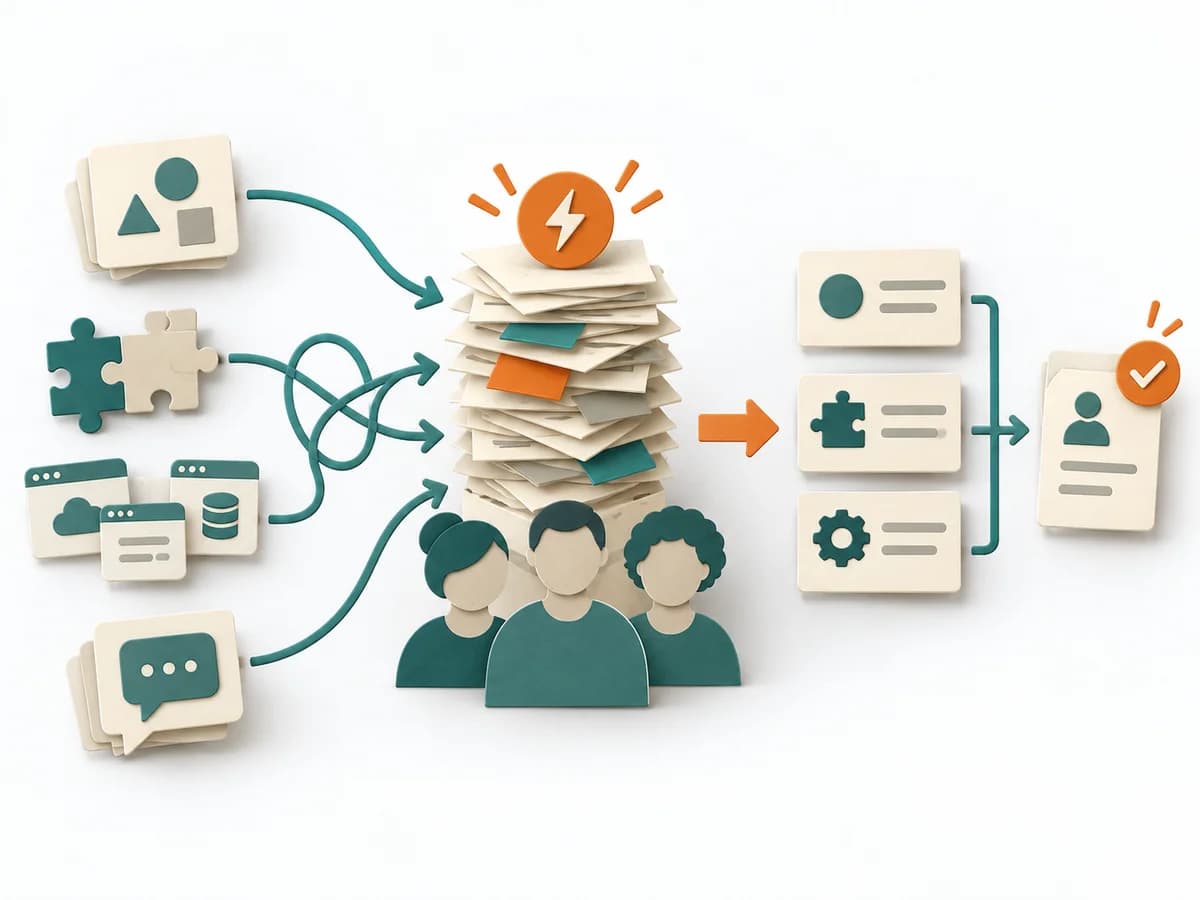 Team Design Team Cognitive Load Assessment |  Operations Learning Review | 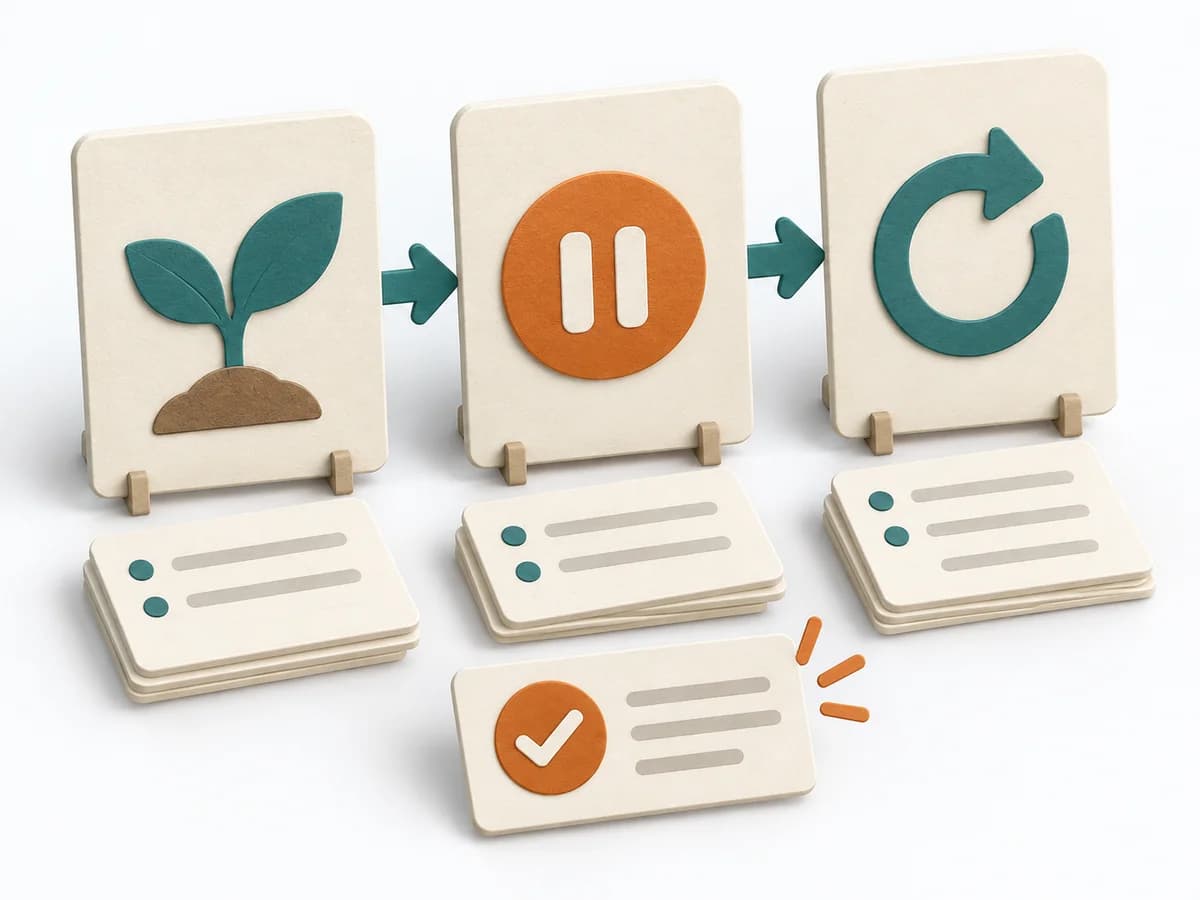 Agile Start Stop Continue | 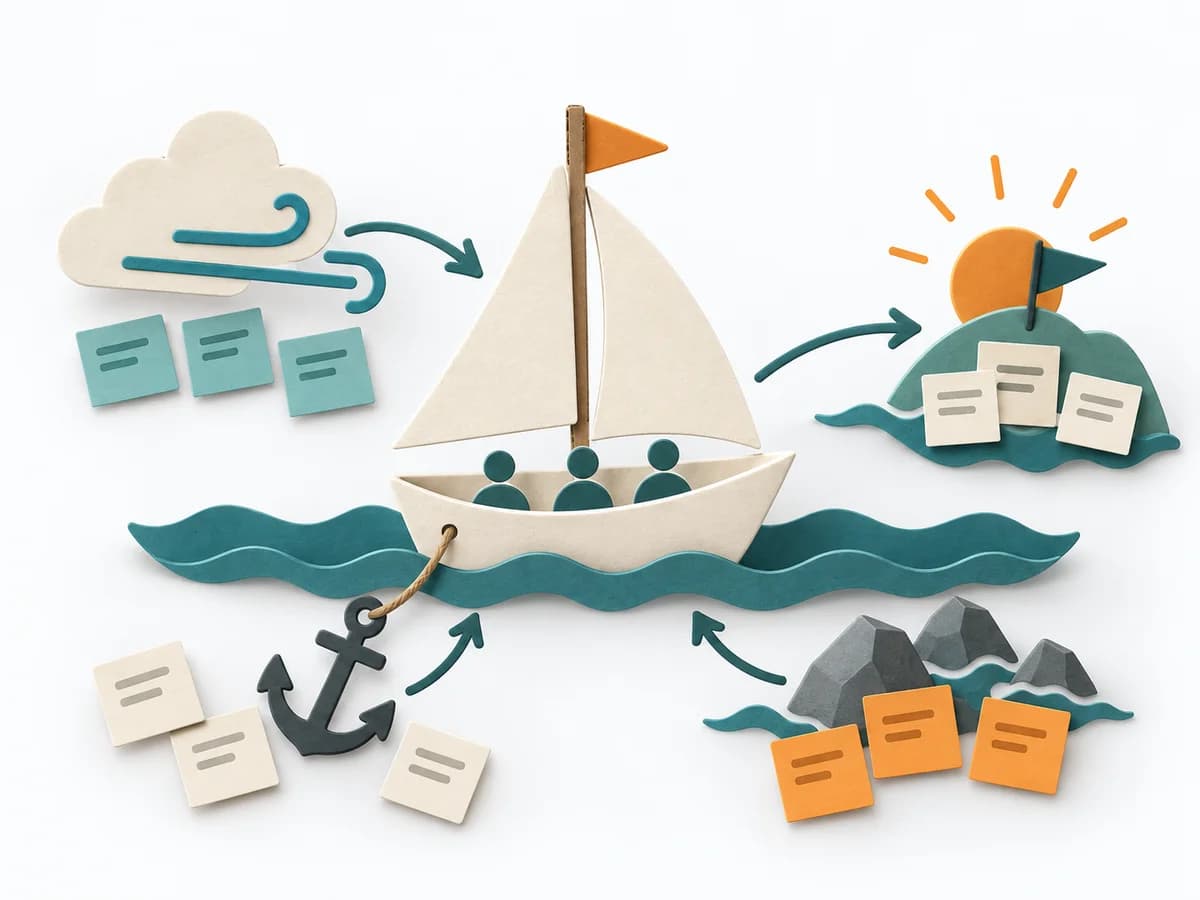 Agile Sailboat Retrospective |
|---|---|---|---|---|
Purposedifferent | When a team juggles too many domains, systems, or handoffs, it measures mental overload as an organizational problem. It clarifies responsibility, interaction, and load between teams. The result is captured as a cognitive-load profile and action list. | After a project phase with mixed results, the method makes learning from the individual case reusable. It connects events, decisions, and systemic conditions into robust insights. | When a team wants to deliberately adjust its working behavior, it makes habits visible and assessable. It focuses on concrete changes instead of diffuse mood. | When a team wants to read momentum, brakes, and risks together, it offers an easily understandable picture of the situation. It makes drive, obstacles, and headwind visible in the same picture. |
Complexitydifferent | Medium | Medium | Low | Low |
Timedifferent | 60-90 min | 1-3 h | 30-60 min | 45-90 min |
Participantsdifferent | 3-12 | 3-10 | 3-12 | 4-12 |
Formatdifferent | Workshop + async | Workshop | Workshop | Workshop |
Outputdifferent | Cognitive Load Profile, Action List | Learning Review Notes, System Factors, Improvement Actions | Start Stop Continue Board, Improvement Actions | Sailboat Board, Risks, Improvement Actions |
Tagsno overlap | TeamComplexityImprovementDiagnosis | LearningRetrospectiveIncidentOperations | RetrospectiveImprovementTeamReflection | RetrospectiveTeamImprovement |