View methods side by side.
Choose up to four methods. Add them using the search and share the comparison by copying its link.
| Criterion | 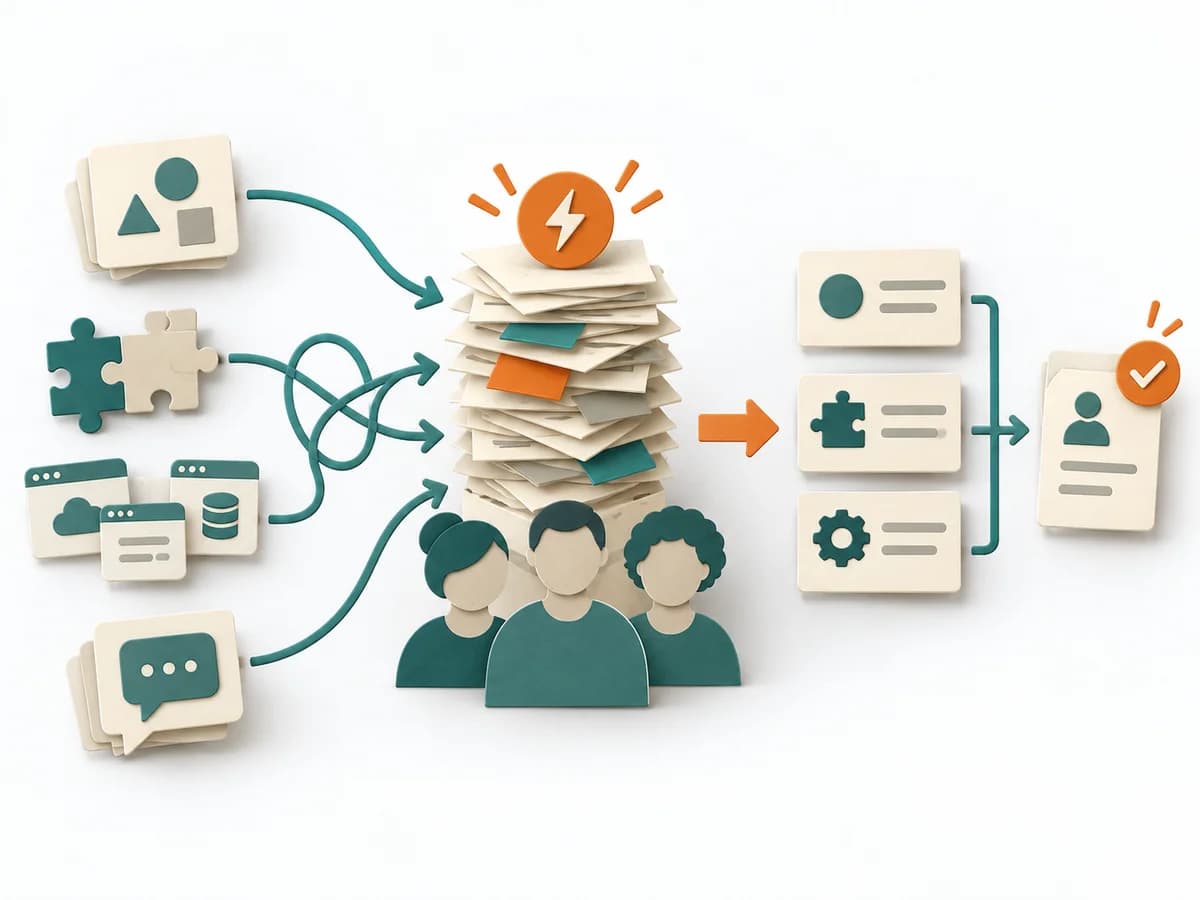 Team Design Team Cognitive Load Assessment |  Facilitation Expectation Mapping | 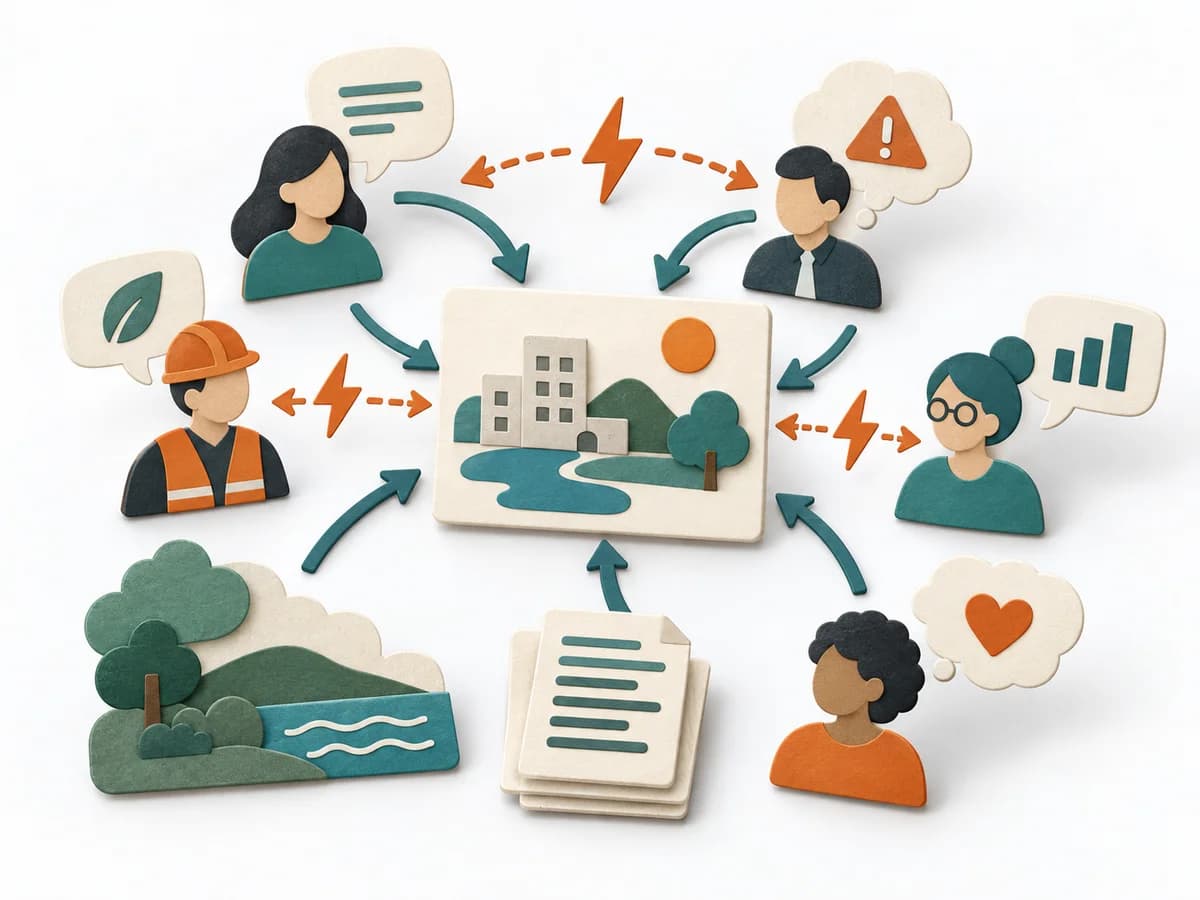 Systems Thinking Rich Picture |  Systems Thinking CATWOE Analysis |
|---|---|---|---|---|
Purposedifferent | When a team juggles too many domains, systems, or handoffs, it measures mental overload as an organizational problem. It clarifies responsibility, interaction, and load between teams. The result is captured as a cognitive-load profile and action list. | When roles, interfaces, or projects fail because of differing expectations, Expectation Mapping surfaces these differences. It shows what each side takes for granted and where the pictures diverge. | A Rich Picture brings an unclear situation onto a shared drawing. It captures actors, tensions, information flows, and blind spots before the team jumps to solutions too early. | CATWOE structures a problem from six viewpoints and prevents too narrow a view of the situation. Different experiences of the system become comparably discussable this way. |
Complexitydifferent | Medium | Low | Low | Medium |
Timedifferent | 60-90 min | 45-90 min | 30-90 min | 45-90 min |
Participantsdifferent | 3-12 | 3-12 | 2-10 | 3-8 |
Formatdifferent | Workshop + async | Workshop | Workshop | Workshop + async |
Outputdifferent | Cognitive Load Profile, Action List | Expectation Map, Alignment Notes, Agreements | Rich Picture, Problem Framing Notes | CATWOE Canvas, Root Definition, Stakeholder Perspectives, Constraints |
Tagsno overlap | TeamComplexityImprovementDiagnosis | AlignmentStakeholdersTeam | Systems thinkingSoft systemsFramingVisualization | Systems thinkingFramingStakeholders |